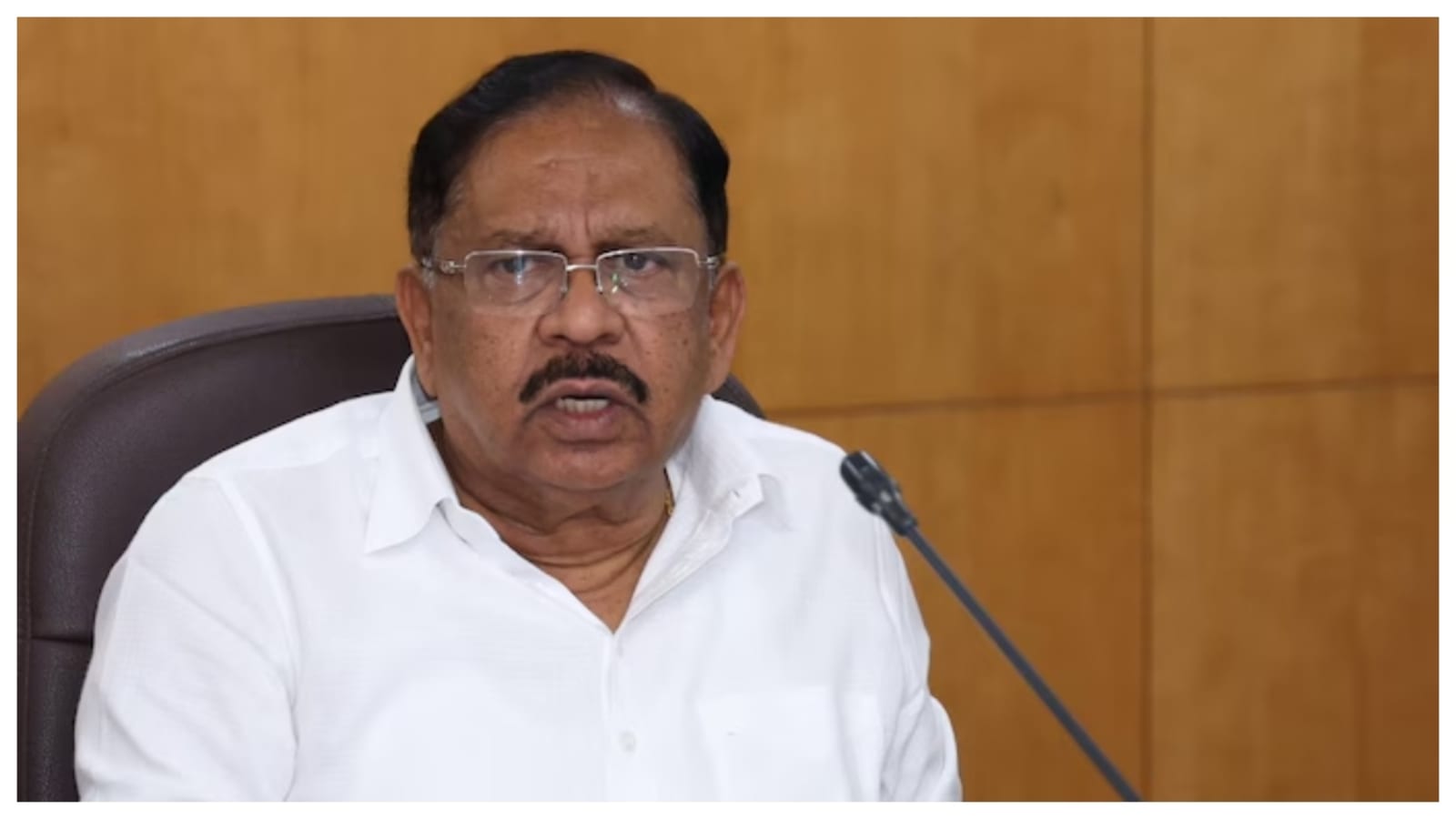
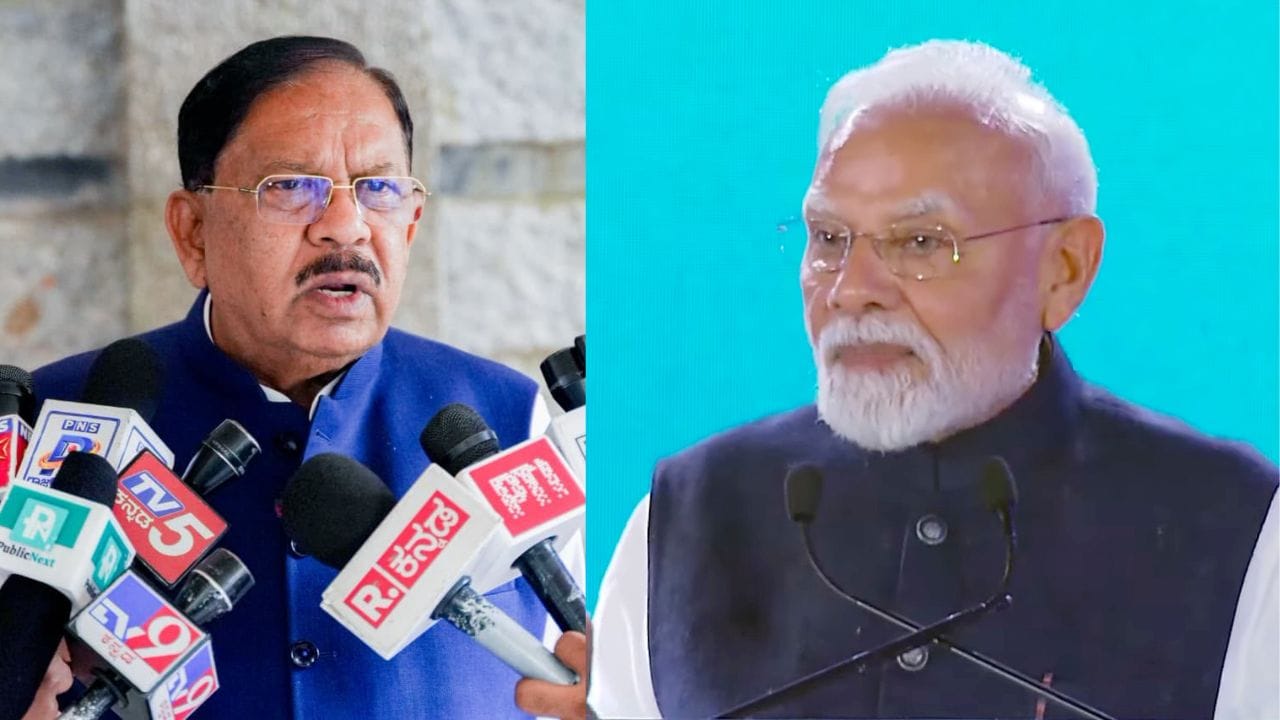
In the dry heat of October, Karnataka’s Deputy Chief Minister Parameshwara penned a letter to Prime Minister Narendra Modi, Home Minister Amit Shah, and Agriculture Minister Narendra Kumar Sinha. The missive was not a routine request; it was a plea that unfolded the scale of a crisis that had turned the state’s green fields into a patchwork of parched lands. The letter, dated 2026‑10‑22, called for urgent intervention to stem the tide of losses that the state’s farmers were already facing.
The state’s own estimates paint a stark picture: agricultural losses have climbed to ₹62,481.88 crore. That figure is not a distant statistic; it is the sum of ruined crops, broken livelihoods, and a future that now looks uncertain. The losses are spread across 226 taluks—administrative districts—each grappling with a 35 percent deficit in rainfall. The damage is not confined to a handful of farms; it stretches over 57.93 lakh hectares, a swath of land that once yielded the staples of Karnataka’s diet.

Bengaluru | On drought delegation, Karnataka DCM G Parameshwara says, "... Now we are looking to go with a drought delegation. We will call an all-party meeting here. Now Dasara is over. Next, administrative decisions have to be taken. We will call them, inform them. From the state's point of view, we who are administering, we have to go. We have to ask them to give us relief. Now, a loss of about Rs 62,000 crore has happened. They are calculating how much to ask for. There are their guidelines, NDRF. We cannot ask for the entire Rs 62,000 crore loss. They have made guidelines. Based on NDRF, we will calculate and go and ask them."
Behind the numbers are small and marginal farmers—61.91 lakh in number—whose fields have turned to dust. The state’s request includes ₹12,146.99 crore earmarked for relief to these farmers, a figure that reflects the sheer scale of the crisis. The loss of crops threatens not only income but also the food security of entire communities. In the letter, Parameshwara emphasized that the drought’s reach extends beyond the fields to the very water that sustains life.
Additionally, the state requests ₹1,727 crore for drinking water supply—a critical need as wells dry up and irrigation systems falter.
The appeal is not limited to crop loss alone. It also seeks ₹6,128.70 crore for a crop‑loss input subsidy, a measure designed to offset the cost of inputs that farmers would otherwise have to purchase. Additionally, the state requests ₹1,727 crore for drinking water supply—a critical need as wells dry up and irrigation systems falter. Livestock protection is another pillar of the request, with ₹583.04 crore earmarked for cattle camps and fodder banks to safeguard the animals that many families depend on.

Deputy Chief Minister G. Parameshwara, who also holds the Revenue portfolio, has written separate letters to Prime Minister Narendra Modi, Union Home Minister Amit Shah, and Union Agriculture and Farmers’ Welfare Minister Shivraj Singh Chouhan seeking their urgent intervention to expedite the approval and release of ₹20,585.73 crore in drought relief assistance to Karnataka under the National Disaster Response Fund (NDRF). https://t.co/geYLV89bTd
At the heart of the letter is a demand for ₹20,585.73 crore from the National Disaster Response Fund (NDRF). The NDRF is the central mechanism for disaster relief in India, and the requested amount reflects the severity of the drought. By tapping into the NDRF, Karnataka hopes to secure immediate financial support that can be deployed to the most affected areas without bureaucratic delay.
Parameshwara’s letter also touches on broader policy adjustments. He calls for additional assistance under the Prime Minister’s Poshan (nutrition) scheme and supplementary nutrition programmes, recognizing that a drought’s impact extends to the nutritional well‑being of children and families. Moreover, he urges a revision of existing input subsidy norms to align with rising cultivation costs—a move that would modernize the state’s agricultural support framework.

I have written to Hon’ble Prime Minister Shri @narendramodi Narendra Modi, Union Home Minister Shri @AmitShah and Union Agriculture Minister Shri @ChouhanShivraj , seeking their urgent intervention for the approval and release of ₹20,585.73 crore in NDRF assistance to drought-affected Karnataka. With a 35% rainfall deficit, 226 taluks declared drought-affected and crop damage across 57.93 lakh hectares, Karnataka has suffered estimated agricultural losses of ₹62,481.88 crore. Lakhs of farming families are facing severe financial distress. Our Government has sought ₹6,128.70 crore towards crop loss input subsidy, ₹12,146.99 crore in relief for 61.91 lakh small and marginal farmers, ₹1,727 crore for drinking water supply and ₹583.04 crore for livestock protection, including cattle camps and fodder banks. I have also urged the Centre to adopt Karnataka's updated FRUITS database instead of relying on outdated Agricultural Census 2015–16 data, which could result in a shortfall of approximately ₹1,669.50 crore in relief assessment. Additional assistance has also been sought under PM POSHAN and supplementary nutrition programmes, along with a revision of existing input subsidy norms to reflect rising cultivation costs. Following the visit of the Inter-Ministerial Central Team (IMCT), the Centre must expedite the appraisal of Karnataka's drought memorandum, facilitate the submission of recommendations to the High Level Committee and ensure the earliest release of financial assistance. The welfare of our farmers must transcend political and administrative boundaries. In the spirit of cooperative federalism, the Union and State Governments must act together to protect their livelihoods. The strength of our nation rests on the strength of those who cultivate its land. Our farmers deserve timely support, dignity and the assurance that we stand firmly with them in this difficult hour.
The letter’s tone is neutral, yet it carries an undercurrent of urgency. It is a reminder that in a country as vast and diverse as India, a crisis in one state can ripple across the nation. By appealing directly to the central leadership, Karnataka seeks not only financial aid but also a reaffirmation of the government’s commitment to its farmers.
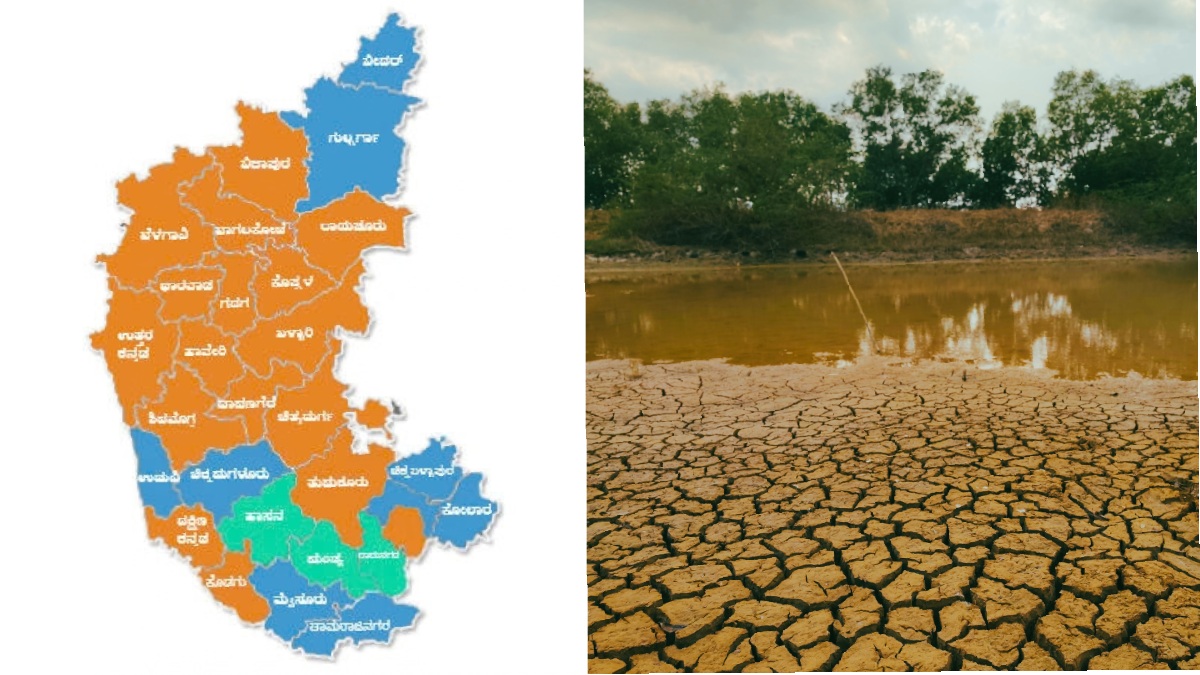
The state’s appeal underscores a broader narrative: as climate patterns shift, droughts are becoming more frequent and severe. The outcome of this request will set a precedent for how the nation responds to such crises, balancing immediate relief with long‑term resilience.