
In Pakistan, a household staple has become a luxury. Liquefied Petroleum Gas (LPG), essential for cooking and heating, has seen prices surge to unprecedented levels, leaving consumers grappling with exorbitant costs that have pushed many to the brink. Over just five days, Pakistanis have collectively paid over Rs1.4 billion more than the official rate for this essential commodity, a staggering sum that underscores the severity of the crisis gripping the nation.
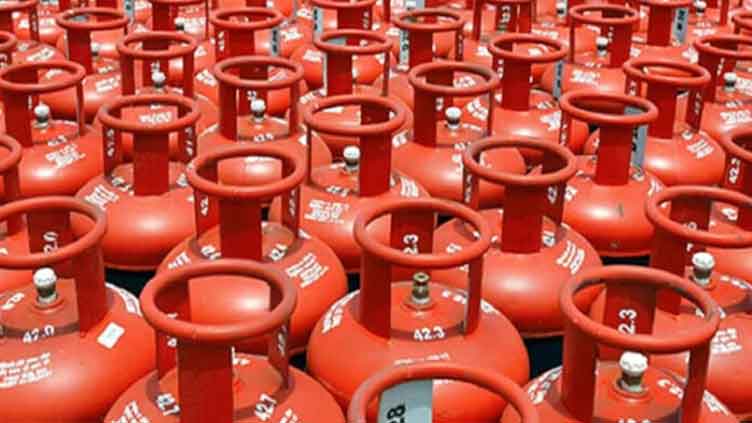
The numbers tell a story of economic distress. While the official notified price for LPG stands at Rs280 per kilogram, consumers are being charged between Rs600 and Rs625 per kilogram in the market. This means buyers are paying approximately Rs320 more per kilogram than the regulated price. According to the LPG Distributors Association Chairman Irfan Khokhar, "Consumers are paying around Rs. 320 more per kg than the notified price." This price difference, when multiplied by the estimated daily consumption of 60,000 to 65,000 kilograms, accumulates to the shocking excess payment of Rs1.4 billion over just five days.
Behind these numbers are ordinary Pakistanis struggling to make ends meet. For many families, the sudden increase in LPG prices has meant difficult choices between cooking meals and other essential expenses. Shopkeepers, caught in the middle of this crisis, report being supplied LPG at Rs550 per kilogram, far above the price at which they're supposed to sell it. This leaves them in an impossible position: either absorb the losses themselves or pass the burden to already-strapped consumers.
This inaction has drawn sharp criticism from industry observers and consumer groups alike, who question the authority's commitment to protecting public interests.
The crisis has exposed a critical failure of regulatory oversight. The Oil and Gas Regulatory Authority (OGRA), tasked with ensuring fair pricing in the LPG market, has not taken action against any LPG plant or marketing company during this period of rampant overcharging. This inaction has drawn sharp criticism from industry observers and consumer groups alike, who question the authority's commitment to protecting public interests.
The LPG Importers Association has pointed to a specific factor contributing to the shortage: the closure of the Taftan border. According to LPG Importers Association President Sheikh Mukarram, "The price surge is partly due to the closure of the Taftan border and OGRA's outdated transport cost calculations." The border closure has disrupted the supply chain, creating artificial scarcity that importers say has been exploited by some operators to inflate prices beyond reasonable levels.
While OGRA has remained largely inactive, other regulatory bodies have attempted to address the issue. The Punjab Enforcement and Regulatory Authority (PERA) has taken action against some shopkeepers found overcharging consumers. However, these penalties appear limited in scope and have done little to address the root causes of the price surge or to provide relief to the vast majority of consumers affected.
The crisis has reached a point where industry leaders are warning of potential shutdowns if the situation doesn't improve. The LPG Importers Association has indicated that the current pricing structure is unsustainable and that operators may be forced to suspend operations if they cannot procure and distribute LPG at viable costs. Such a development would only exacerbate the shortage and drive prices even higher, creating a vicious cycle of scarcity and inflation.
As the crisis continues, questions mount about the government's ability to protect consumers from market manipulation and ensure access to affordable essential commodities. The Rs1.4 billion overcharged to consumers in just five days represents not just an economic burden but a failure of regulatory responsibility. Until effective measures are implemented to control prices and ensure adequate supply, Pakistanis will continue to bear the brunt of a crisis that shows no signs of abating.