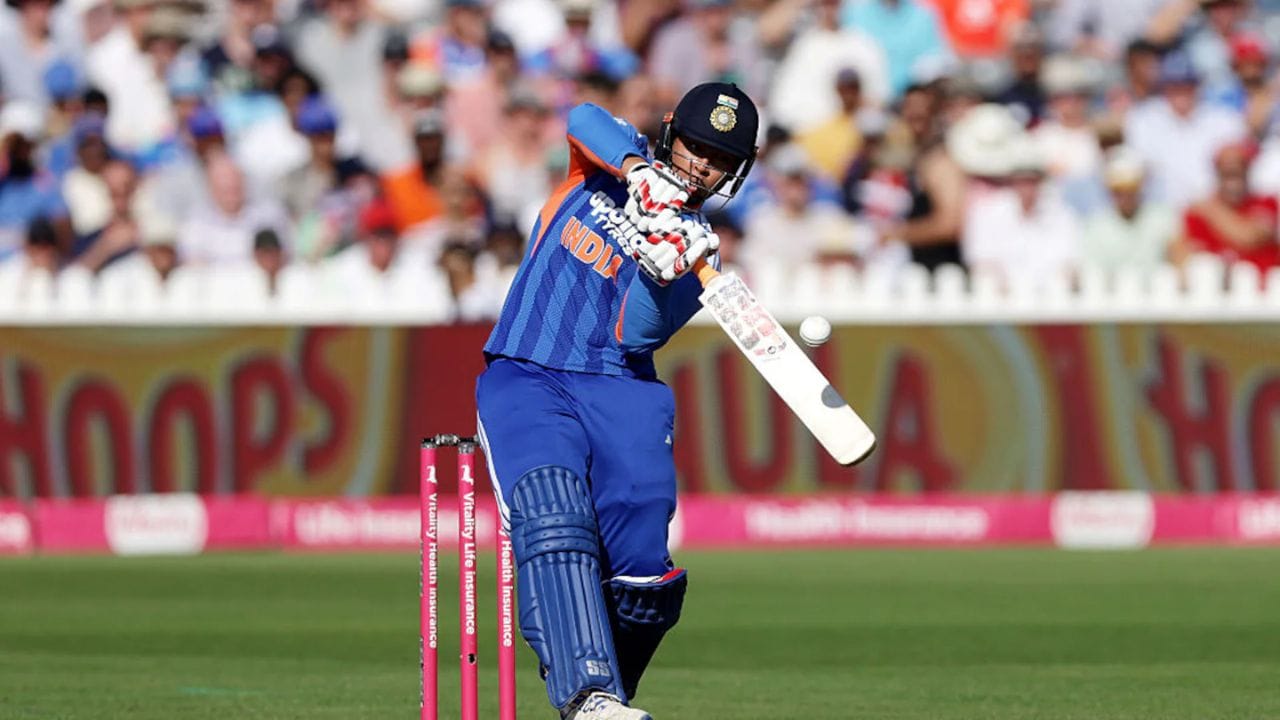
In the quiet hours following the first T20 match against New Zealand, the atmosphere in the Indian cricket camp shifted from celebratory to strategic. The plan was set: Ishan Kishan, the team’s reliable wicket-keeper, would lead the charge again. But plans in cricket are often just that—plans. Kishan, a vital component of the squad, was unable to participate in the upcoming match due to an injury sustained during the initial contest. Reports indicated a rib issue, a niggling pain that forced him to withdraw from the second T20 international. This was not a tactical substitution; it was a medical necessity. As Sandeep Koddakar, a key voice in the discussion, noted, there were discussions about changing the batting order, but he clarified that this was not a planned move. "Ishan Kishan's wicket-keeping part had a serious injury," Koddakar explained. "There were discussions about changing the batting order, but this was not a planned change, it was due to the injury." For a team used to meticulous preparation, the sudden absence of a key figure created an immediate void that had to be filled before the next ball was bowled.
With Kishan ruled out, the Indian selection committee turned to a name that was barely known to the wider public: Vaibhav Sooryavanshi. At just 15 years old, Sooryavanshi was set to replace the senior wicket-keeper for the second T20I. This promotion was not merely a filling of a roster spot; it was a significant opportunity for a teenager stepping onto the international stage. The move signaled a shift in the team’s approach, acknowledging that the hierarchy of age and experience could be overridden by the immediate needs of a fractured squad. For Sooryavanshi, the moment was a rare debut, a chance to prove that youth could hold its own in the high-pressure environment of international cricket. The attention turned instantly to the 15-year-old, transforming him from a household name in the domestic circuit to a figure of national interest overnight.

Today is the 1st T20 match of #INDvNZ. In your opinion, what changes should be made to the playing XI? My Playing XI: * Vaibhav Suryavanshi * Abhishek Sharma * Ishan Kishan * Shreyas Iyer (C) * Sanju Samson (WK) * Shivam Dube * Nitish Reddy * Bhuvneshwar Kumar * Prince Yadav * Kuldeep Yadav * Varun Chakaravarthy According to you, which players should get an opportunity today? #INDvsNZ #T20
The implications of this swap extended beyond a single player's participation. The Indian cricket team's batting order was expected to see changes that would ripple through the rest of the game. In T20 cricket, where every strike counts and the middle order often dictates the finish, replacing a known quantity with a teenager forces a recalculation of risk. Sooryavanshi was not just stepping in for Kishan’s wicket-keeping duties; he was entering a batting role that would be scrutinized by both teammates and opponents. The team’s structure had to adapt, with other batters potentially shifting positions to accommodate the young player’s role. This architectural adjustment was a microcosm of the larger challenge: how to maintain a winning formula when a core component is suddenly missing. The flexibility of the squad was being tested not by a strategic decision, but by a physical limitation that no one could have predicted.
The flexibility of the squad was being tested not by a strategic decision, but by a physical limitation that no one could have predicted.
While the immediate focus was on the second T20I in Christchurch, the injury also cast a shadow over the remainder of the series. The contest was part of a series of four T20 matches, with three more slated to take place in Wellington, Auckland, and Hamilton. Each of these cities represented a new set of conditions and challenges for the Indian side. If Kishan’s recovery did not allow him to return, the team would have to manage the final two matches with Sooryavanshi in the mix, or perhaps look for another solution. The geography of the series, moving from the coastal weather of Christchurch to the inland conditions of Hamilton, added another layer of complexity to the substitution decision. The team had to consider not just the next innings, but the trajectory of the entire series, ensuring that the 15-year-old’s debut did not become a source of distraction for the rest of the squad.

Ishan Kishan Injured: Ishan Kishan दूसरे T20 से हो सकते हैं बाहर, Vaibhav Suryavanshi की एंट्री? IND vs NZ 2nd T20 | Vaibhav Suryavanshi | Sanju Samson | Daily24 Bharat | #breakingnews #ishankishan #vaibhavsuryavanshi #indvsnz #teamindia #sanjusamson #t20i #cricketnews #indiancricket
At its core, this story is about the human element of sport. It is about the unpredictability of the body and the rapidity with which careers can be altered by a single moment of pain. Kishan, a player whose reputation was built on consistency, was suddenly sidelined, leaving a void that no amount of planning could fully prepare the team for. The response was swift: promote the young talent. Sooryavanshi, having worked his way up through the ranks, was now thrust into the spotlight of international cricket. This dynamic between the experienced leader and the emerging prodigy is a common thread in team sports, but here it was played out against the backdrop of a national series. The team’s ability to adapt to this change, to integrate Sooryavanshi seamlessly while managing the absence of Kishan, would be a defining metric of their resilience.
As the team prepared for the match, the focus shifted to how they would execute their new plan. Sooryavanshi’s role was undefined in terms of specific batting instructions, but his presence alone changed the equation. The injury to Kishan was a setback, but it also served as a catalyst for change. It forced the team to look at their resources differently, to trust in the next generation, and to remain flexible in the face of adversity. The match at Christchurch would not just be a contest between India and New Zealand; it would be a test of the Indian squad’s depth and its ability to innovate under pressure. The 15-year-old had been handed the keys to the car, and now he had to drive.