
Following the recent parliamentary elections, Israel saw a historic voter turnout of 77.7%, the highest since 1999. This turnout reflects the intense interest and stakes involved in the election. As the count progressed, it became clear that the election would be a tight race.
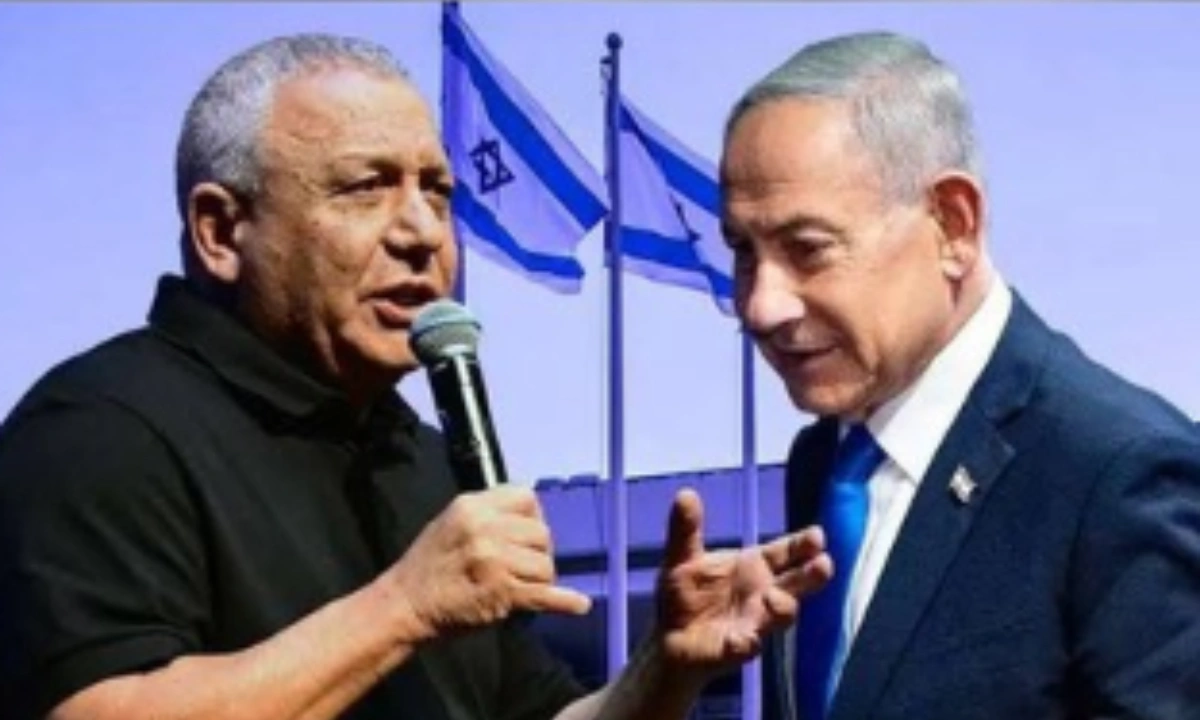
The Israeli Election Commission has counted 50% of the votes, revealing a lead for Benyamin Netanyahu's right-wing and far-right camp. With 56 seats out of the 120-seat Knesset, Netanyahu's bloc has an edge. However, the opposition bloc holds 49 seats, and Arab parties secured 15. Neither side has reached the 61-seat majority threshold required to form a government.

BREAKING: Former IDF chief Gadi Eizenkot projected to become Israeli Prime Minister after Tuesday’s election, replacing Netanyahu. 52% chance. 🔗 https://t.co/a01aGtedUZ https://t.co/p12Bzt8mbI
Amidst the count, President Donald Trump stated that his support greatly aided Netanyahu's campaign. For Netanyahu, this support is significant as he emphasizes working with the U.S. to counter the Iranian threat. Netanyahu has stated that Israel faces a unique historic opportunity with President Trump to eliminate the Iranian threat.
For Netanyahu, this support is significant as he emphasizes working with the U.
Despite the lead, Netanyahu's coalition faces a challenge. The prime minister has ruled out any cooperation with Arab parties, labeling it a disgrace. Analysts suggest that the situation remains fluid, and the remaining ballots from diplomatic missions, the military, and prisons are being processed.
With 50% of the votes counted, the situation remains fluid. President Isaac Herzog will task a candidate with forming a government once official results are finalized. The process of confirming the results and forming a government may take several weeks as the country navigates this political bargaining period.