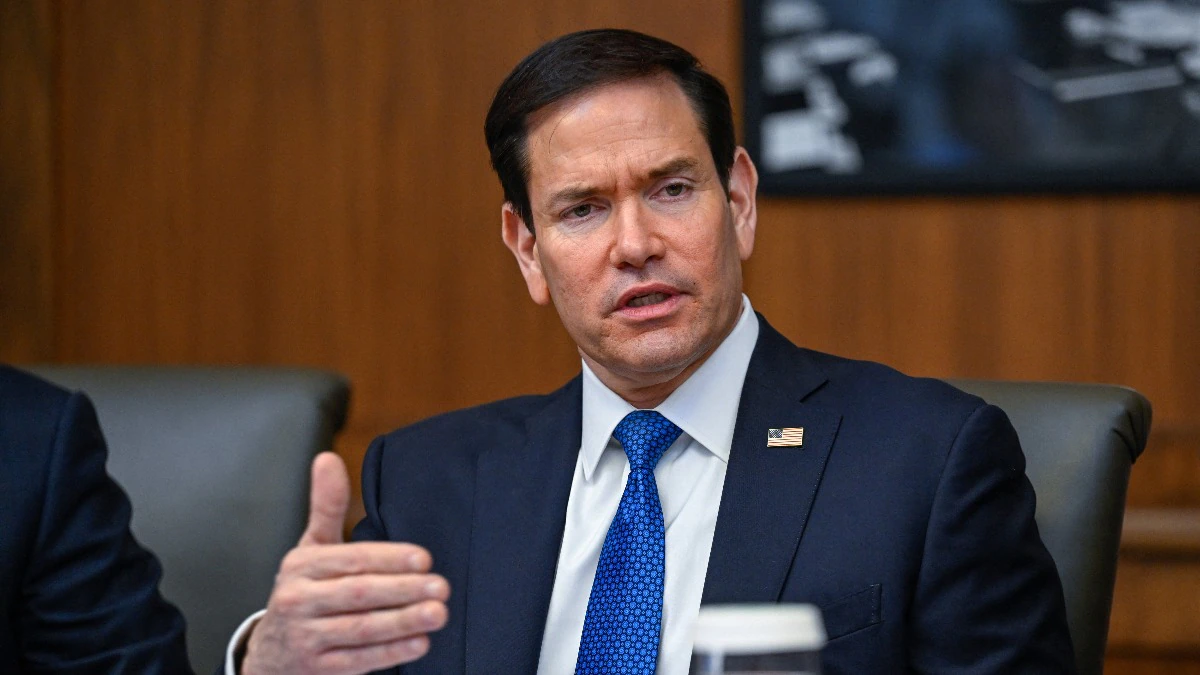
US Secretary of State Marco Rubio offered a window into two of Washington's foreign policy files at once. Asked about the state of US-India trade negotiations, he was blunt: "We're trying to finalise a trade deal with India right now. We're very close to doing that." A few sentences later, he linked that unfinished business directly to another decision that has been shaping energy markets for months. "That's one of the things we take into consideration when the President makes a decision about national security waivers and things of that nature."
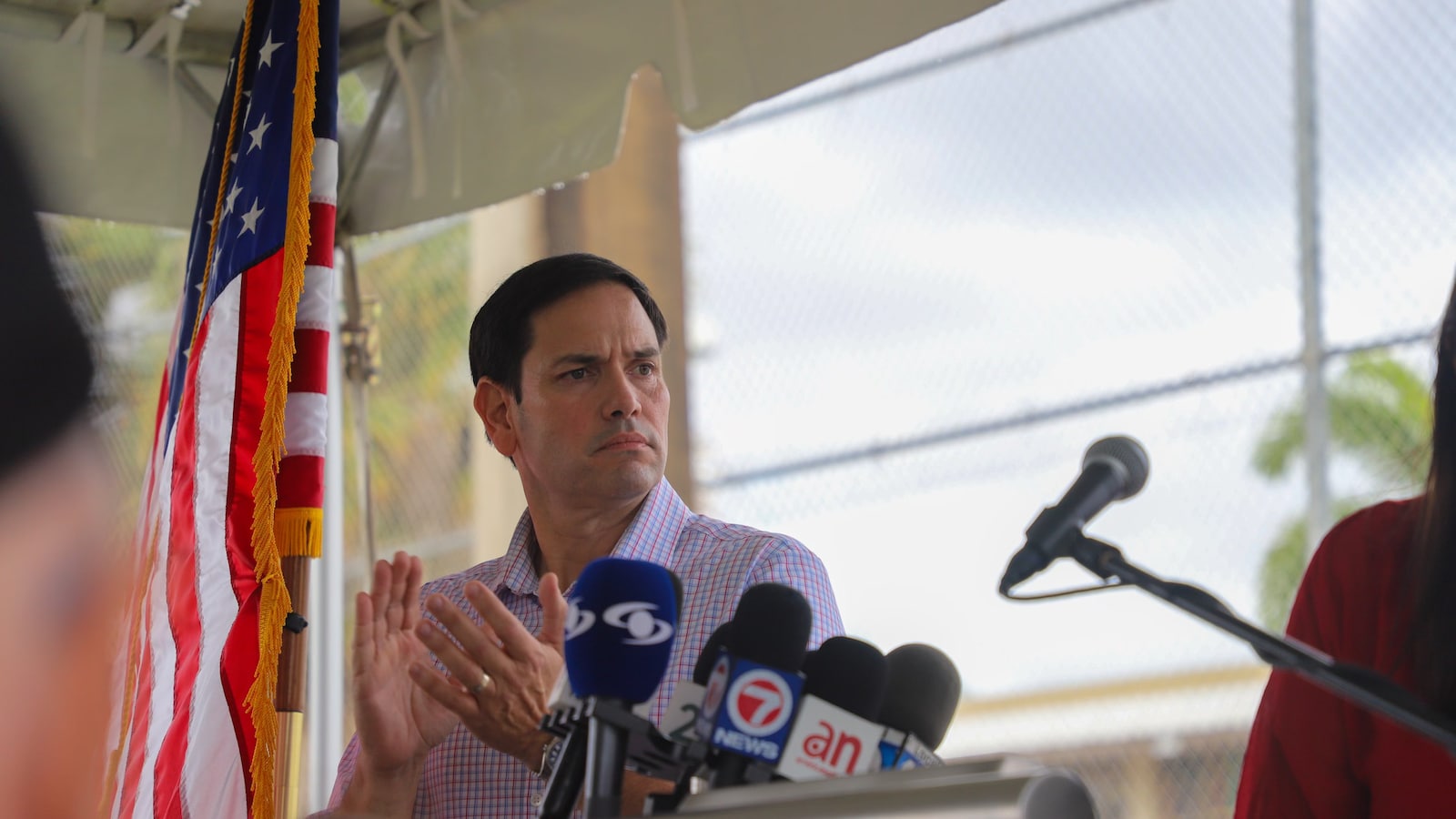
It was a moment in which diplomacy with India and energy policy toward Russia were tied together.
For months, the United States has been waiving sanctions on buyers of Russian oil. The reason, as Rubio's comments made plain, was the impact on global supplies and prices. The standard US sanction against Russian crude comes with a tariff on anyone who keeps buying it - 100 percent, in the formal language of US sanctions policy.
So the administration has issued a series of waivers in recent months, and Rubio confirmed that India was among the considerations that shaped them.
So the administration has issued a series of waivers in recent months, and Rubio confirmed that India was among the considerations that shaped them.

US very close to finalising trade deal with India, says Marco Rubio https://t.co/cD4LYEJPYz
Rubio did not describe a formal quid pro quo. What he described was a constellation of concerns that a president weighs when deciding whether to issue a national security waiver. If a country is on the verge of signing a trade deal, that fact registers when the administration is asked whether to issue waivers regarding Russian oil.
Indian officials have been signaling parallel momentum. Commerce and Industry Minister Piyush Goyal announced that the first phase of the trade pact has been completed and is currently undergoing legal drafting - the step in which negotiated language is converted into the precise text that legislatures and lawyers will eventually have to interpret.
That Goyal confirmed the phase-one text has reached this stage suggests that the broad shape of the deal is no longer in dispute, even if the details remain.
The official line from both governments now is that the deal is close. Rubio used the word "close" twice in a short span. Goyal said the work was in drafting. The outstanding question is what the eventual deal looks like.
For now, the linkage Rubio described - trade progress with India on one side, a willingness to grant waivers on Russian oil on the other - remains a diplomatic arrangement. It treats energy access and commercial access as a single ledger.