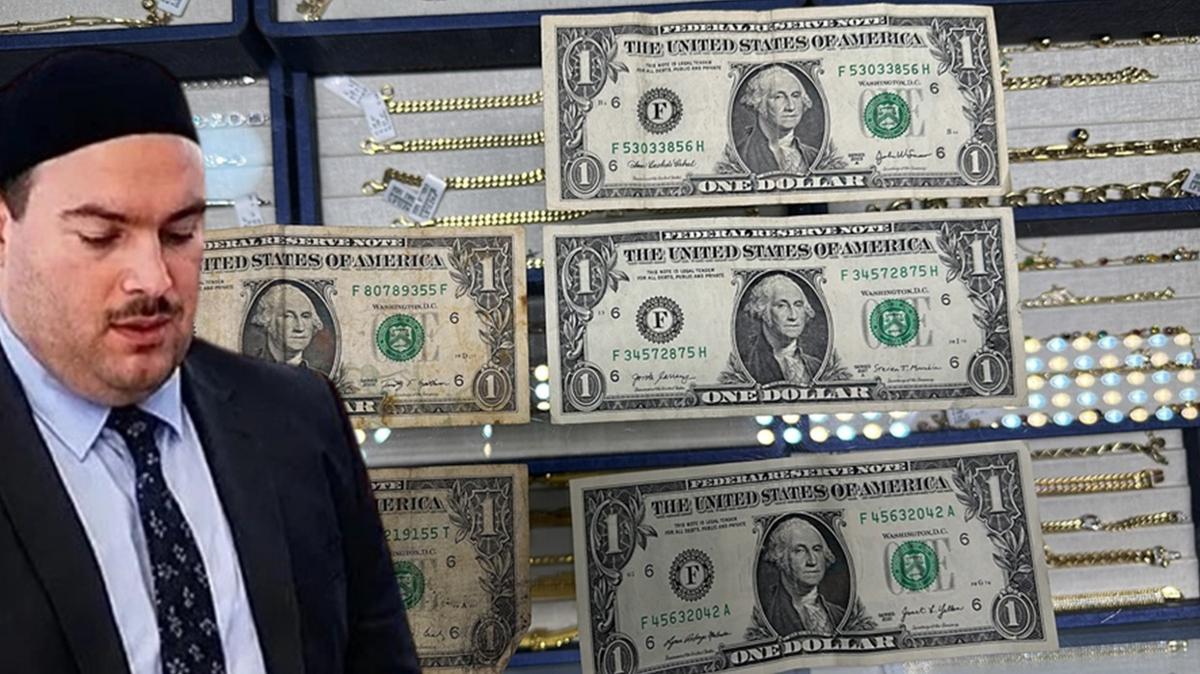
In the early morning of October 19, 2026, police entered a jewelry shop in Amasya as part of a wider sweep targeting the Süleymancılar cemaat across twelve provinces. Inside the shop’s display case, officers found five one‑dollar bills bearing the F series designation. The bills were immediately noted for their rarity in domestic circulation and their appearance in previous FETÖ‑related inquiries.
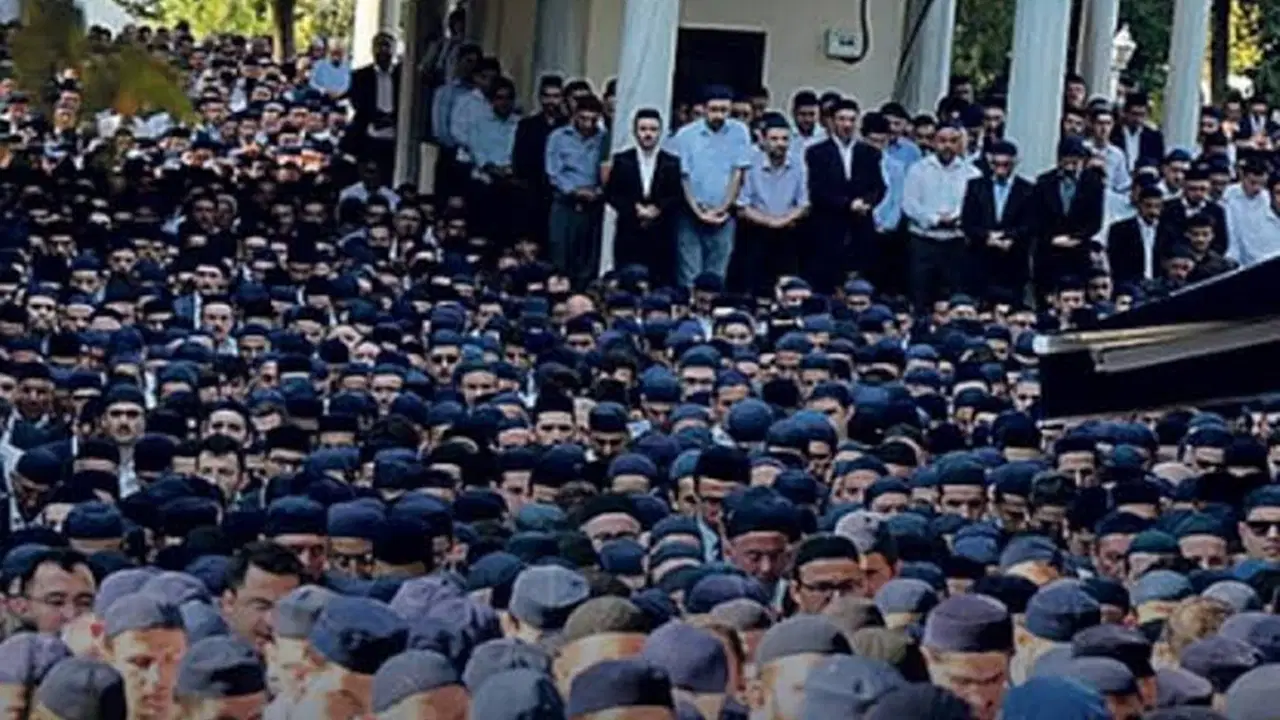
The Amasya visit was not isolated. On the same day, Ankara‑based prosecutors launched synchronized raids in twelve provinces, including Amasya, aiming at networks associated with the Süleymancılar community. According to the operation log, twenty‑two individuals were taken into custody for questioning. Among those detained was Hüseyin Uysal, whose name appeared in the investigation file as a suspect connected to the financial strand of the case.
The F series label refers to a specific printing run of United States one‑dollar notes. In the context of Turkish investigations, the emergence of F‑series dollars has repeatedly surfaced after the July 15, 2016 coup attempt, when prosecutors began tracing how FETÖ sympathizers moved money abroad. The discovery of these five F‑series $1 bills in the jewelry shop “reignited discussions on the use of such currency post‑coup attempt.” Investigators treat the presence of these notes as a potential marker of the organization’s method of converting or smuggling funds through readily recognizable foreign currency.
The discovery of these five F‑series $1 bills in the jewelry shop “reignited discussions on the use of such currency post‑coup attempt.
Beyond the cash, the Kuriş‑led probe revealed additional allegations of illicit finance. The sources describe uncovering “karanlık para trafiği” – a term referring to opaque or hidden money flows – alongside “usulsüz hisse devirleri,” which points to irregular share transfers that may have been used to disguise ownership or move value across entities. These findings were presented as part of the broader effort to map FETÖ’s financial methods and organizational structure, showing that the investigation looked beyond simple cash seizures to trace more complex financial maneuvers.
Alihan Kuriş is identified as the lead prosecutor overseeing the criminal network investigation that produced the Amasya raid. Under his direction, the operation combined the jewelry‑shop discovery with the wider provincial sweep, resulting in the seizure of the five F‑series dollars and the detention of the twenty‑two suspects, including Hüseyin Uysal. The brief emphasizes that the F‑series dollar bills “also emerged” in the Alihan Kuriş investigation, linking the find directly to his prosecutorial agenda.
The detention of twenty‑two individuals, the arrest of Hüseyin Uysal, and the exposure of alleged dark‑money traffic and irregular share transfers continue to shape the ongoing discussion about FETÖ’s financial networks. No further developments beyond those facts are recorded in the supplied material, leaving the investigation at the stage of evidence collection and initial suspect processing.