
On October 10, 2023, the atmosphere at King Khalid International Airport in Riyadh, Saudi Arabia, was shattered by a sudden and violent escalation. A missile attack, attributed to the Iran-backed Houthi rebels from Yemen, struck the terminal, turning a hub of global transit into a scene of chaos and carnage. While the immediate impact of the strike was measured in the hundreds of injuries and the initial loss of life, the true scale of the tragedy proved to be a slow-moving weight, one that continued to settle on families long after the smoke had cleared from the tarmac.
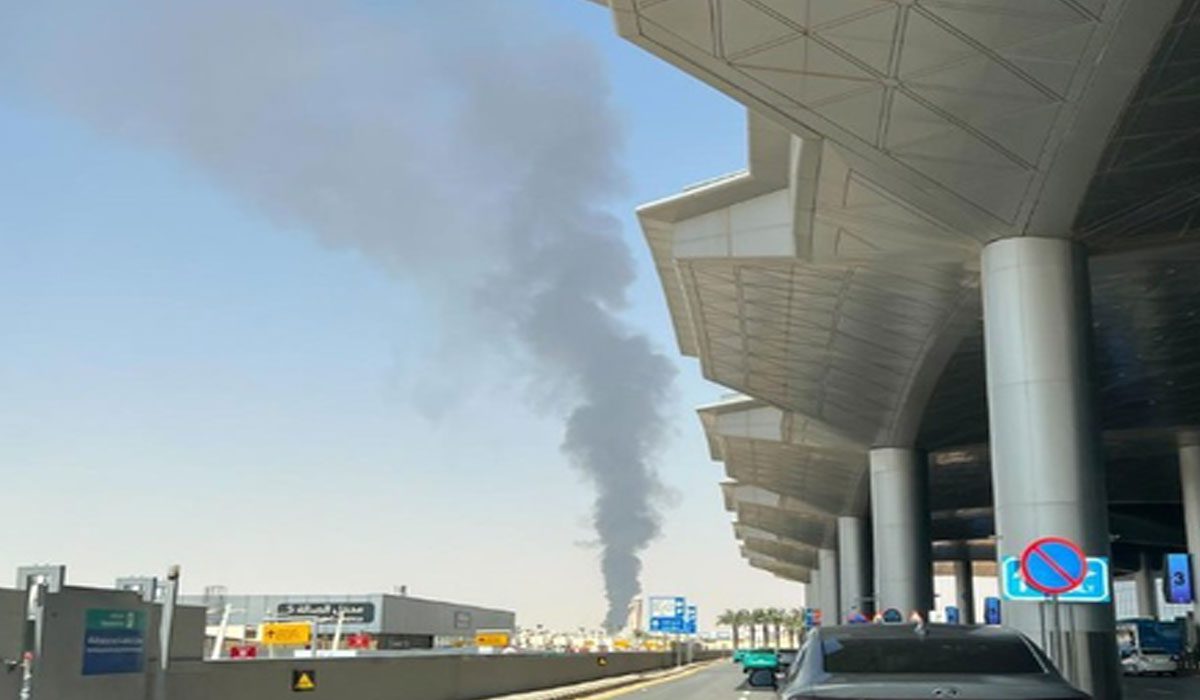
The Indian Embassy in Saudi Arabia recently issued a somber announcement that serves as a grim reminder of the attack's lasting reach. An Indian national, who had been fighting for survival in an intensive care unit following the October 10 strike, has died. This individual had been critically injured during the initial onslaught, and their passing marks a secondary wave of grief that follows the immediate aftermath of the violence. For the Indian community living and working within the Kingdom, the news underscores the precariousness of life in a region caught in the crosshairs of proxy conflicts.
As the news of this latest death reached the public, the official numbers began to shift once more. What was initially reported as a death toll of 12 has now risen to 14. This incremental climb reflects the reality of high-intensity trauma; in the wake of a missile strike, the finality of the loss is not always instantaneous. Instead, the toll is often tallied in the weeks that follow, as those wounded in the initial blast succumb to the severity of their injuries. The jump to 14 victims represents a growing ledger of lives lost to a single moment of targeted violence.
This incremental climb reflects the reality of high-intensity trauma; in the wake of a missile strike, the finality of the loss is not always instantaneous.
In the wake of the second death, the Indian Embassy has stepped forward to manage the intersection of tragedy and diplomacy. The embassy offered its condolences to the grieving family, while also pledging assistance to help navigate the complexities that follow the death of a citizen abroad. Beyond the formal statements and the logistical support, there remains the profound human cost—the hundreds of others who were injured in the attack and the families who must now reconcile with a death toll that continues to evolve. The attack on Riyadh's international airport remains a stark instance of how regional instability can pierce the sanctuary of even the most heavily guarded transit hubs.