On October 17, 2026, the streets of France became a theater of unrest. What began as protests quickly descended into scenes of violence that rippled through several cities across the country. The immediate physical reality was one of chaos, but as the smoke cleared, a more complex and digital form of conflict began to emerge. The unrest was not merely a domestic struggle for order; it became a lightning rod for international scrutiny and, more controversially, international accusation.
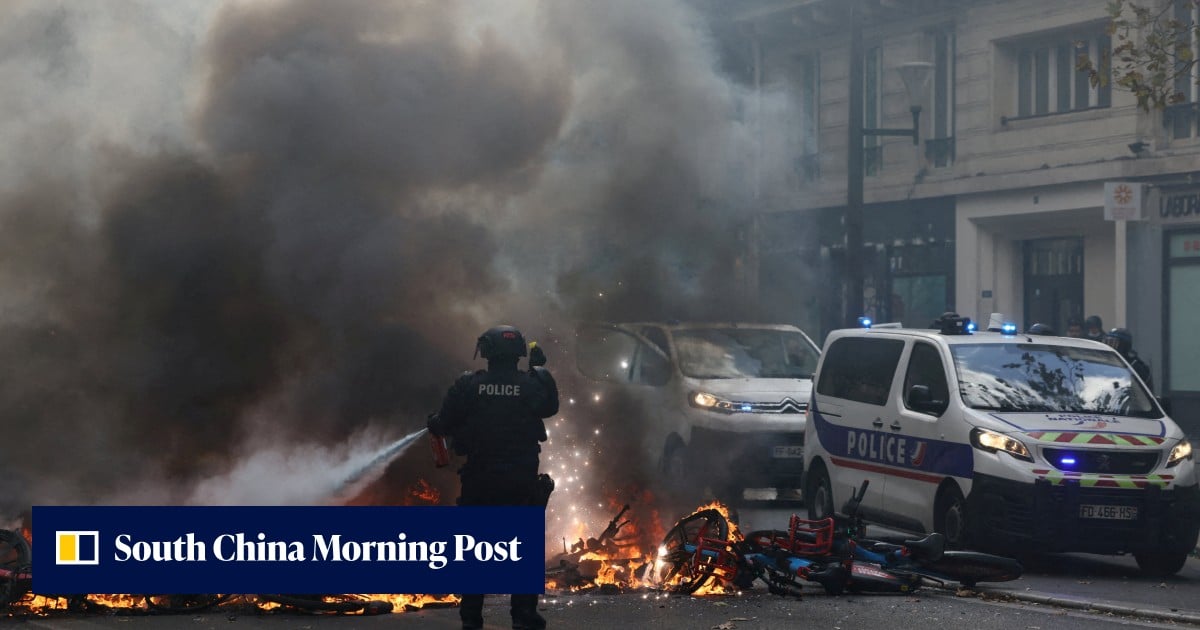
By the time the following week arrived, the scale of the state's response was evident. Nearly 2,400 people had been arrested in the wake of the weekend's disturbances, with 174 individuals facing incarceration. The French government found itself managing a dual crisis: the tangible task of policing streets and the intangible task of defending the nation's reputation against a rising tide of external narrative-building.
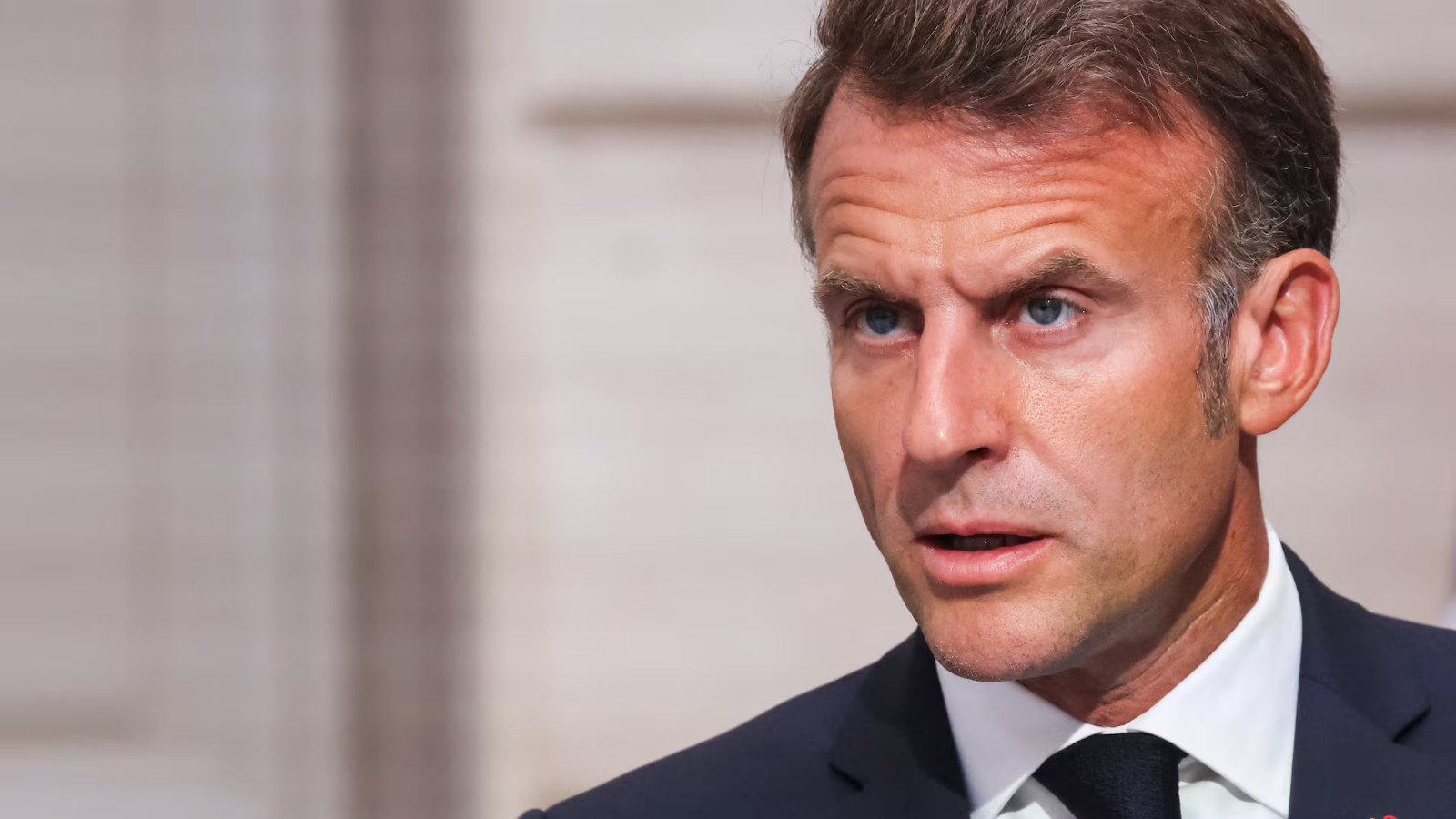
Speaking in Doha on October 21, 2026, President Emmanuel Macron addressed a world that was increasingly viewing French instability through a distorted lens. He did not merely defend the state; he attacked the very medium through which much of this criticism was being delivered. Macron pointed to a sophisticated phenomenon of information warfare, specifically citing the rise of artificial intelligence in shaping public perception.
He rejected the claims of a migrant invasion, viewing them as a distortion of the domestic situation.
"There was foreign manipulation of information which led to unacceptable and even stupid comments by many, including foreign leaders," Macron stated. He highlighted a specific, modern danger: the proliferation of AI-generated images depicting scenes of violence and disorder in France that never actually occurred. These digital ghosts, he argued, were being used to fuel a specific, false narrative regarding the nature of the unrest and the identity of those involved.

Macron attacks Trump: "France was not invaded by hordes of Muslim immigrants. Those images are false, it's AI and foreign manipulation." https://t.co/maBFwwcLgF
This digital manipulation found fertile ground among the world's most prominent political figures. Macron did not mince words when addressing the international response, labeling the commentary from certain global leaders as both "unacceptable" and "stupid." He specifically targeted the rhetoric of US President Donald Trump and Israeli Prime Minister Benjamin Netanyahu, accusing them of linking the October 17 protests to immigration and migrant invasions.
For Macron, these were not merely disagreements over policy, but fundamental mischaracterizations of French reality. He rejected the claims of a migrant invasion, viewing them as a distortion of the domestic situation. The President suggested that these leaders were not observing France, but were instead reacting to a curated, artificial version of it—one designed to serve their own political ends.
Macron’s critique went deeper than the content of the comments; he targeted the motivation behind them. He observed that the unrest was being weaponized by those in the midst of their own political battles. "There are people campaigning at France's expense – leaders who are in campaign mode, whether in the region or on the other side of the Atlantic," he remarked.

This accusation suggests that the chaos in French cities was being treated as a convenient political tool by foreign actors. By framing the riots through the lens of immigration or social collapse, these leaders could bolster their own domestic platforms. To Macron, this was a betrayal of international decorum and a cynical exploitation of a sovereign nation's struggle. "The fact is, all the people who are speaking ill of our country right now are people who don’t love our country," he added, expressing a profound sense of frustration with the external interference.

President Emmanuel Macron said Wednesday that foreign leaders — including those “on the other side of the Atlantic” — were seeking to exploit France’s tense social climate for political gain following a weekend of street violence and looting. Protests over soaring living costs have led to widespread rioting and looting that have drawn worldwide attention and shocked many French citizens. U.S. President Donald Trump has used the violence to rally his political supporters, making unsubstantiated claims that Muslim migrants are responsible for the unrest.
As the political rhetoric escalated, the French government remained focused on the immediate necessity of maintaining order. The administration has been preparing for further protests scheduled for Saturday, signaling that the period of instability is far from over. Macron has issued a clear warning to those attempting to capitalize on the disorder: the state will not permit the descent into lawlessness. He promised that lawful measures would be taken to prevent further unrest, emphasizing that the government's priority remains the protection of the public and the rule of law.
While the streets remain a site of tension, the battle for the narrative has moved into the realm of high diplomacy and digital forensics. The French presidency is now tasked with a difficult balancing act: managing the physical consequences of civil unrest while simultaneously debunking a globalized, AI-enhanced campaign of misinformation that seeks to redefine the French identity in the eyes of the world.