
The Israeli elections are a critical juncture in the broader geopolitical landscape. As the election approaches, the Trump administration is grappling with internal disagreements. The tension is palpable, with senior officials voicing growing dissatisfaction with Netanyahu's leadership, particularly over regional priorities and policy stances. This dissatisfaction has reached a point where Vice President JD Vance and other advisors have expressed concerns.

Benjamin Netanyahu, the longtime Israeli Prime Minister, has been a cornerstone of US-Israel relations. However, his leadership is now facing challenges. Vice President JD Vance and other high-ranking officials are increasingly disillusioned with Netanyahu's approach to regional issues. The prime minister's pre-war assessments and policies in Gaza, Syria, Lebanon, and the West Bank have raised eyebrows among the US administration. These policies have not always been in line with broader US strategic interests.

As Israeli election looms, Trump advisers see opportunity beyond Netanyahu https://t.co/ui7RYsiU8q
The discord within the Trump administration is evident, with some advisors advocating for a change in Israeli leadership. One of these advisors stated, 'He's the devil we know and he prefers to work with someone he already knows.' This sentiment reflects a broader frustration among Trump's inner circle, who believe that a new Israeli government without Netanyahu's far-right coalition partners could offer greater flexibility in pursuing diplomatic agreements. However, the president himself remains supportive of Netanyahu, suggesting that his defeat could have consequences for US-Israel relations.
The potential impact of these elections on US-Israel relations is a central concern for the Trump administration.
The latest Maariv poll paints a stark picture of the upcoming election. The opposition bloc is widening its lead, with 54 seats compared to Netanyahu's 48. This shift is causing consternation among US officials, particularly those who have grown weary of Netanyahu's policies. US Ambassador to Turkey, Tom Barrack, has raised concerns about the Netanyahu government's approach to Syria, highlighting the growing tension within the US administration.
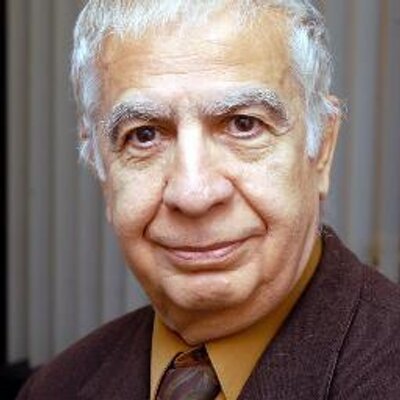
Israel election seems headed for dead-heat according to final poll Trump is musing about how to keep Netanyahu without a majority. One trick is a "grand coalition" & sharing of PM's position :Netanyahu 6 months, Eisenkot 6 months. Shamir & Peres tried it years ago with success
The potential impact of these elections on US-Israel relations is a central concern for the Trump administration. The possibility of Trump supporting a new government if Netanyahu loses could benefit US interests. An American official stated, 'This decision could benefit the US president in either scenario.' The official's statement underscores the strategic importance of the upcoming elections, as the US seeks to navigate a complex and evolving regional landscape.
For the US, the decision to support a new Israeli government is about strategic interests. If Netanyahu loses and his opponents form a new government, the potential exists for both scenarios to benefit US interests. Advisors are optimistic about working with the opposition if Netanyahu loses, despite the president's endorsement of the current leader.

Several senior advisers to US President Trump believe an Israeli government without Prime Minister Netanyahu could be easier to work with on regional priorities, despite Trump's public endorsement of the Israeli leader ahead of Tuesday's election. https://t.co/2iKcmsYjNl
As the Israeli elections approach, the future of US-Israel relations hangs in the balance. The US administration is faced with a decision: continue to support Netanyahu, despite growing internal and external pressures, or pivot towards a new government that could offer greater flexibility and alignment with US strategic interests. The outcome of these elections will not only shape the immediate future of US-Israel relations but also have implications for the broader Middle East.
The Israeli elections are a pivotal moment in the relationship between the US and Israel. As tensions within the Trump administration grow, the US faces a complex decision that could redefine its approach to the region. The upcoming elections will not only determine the future of Israeli leadership but also the trajectory of US-Israel relations.