Paris, the capital of France, has always been a symbol of elegance and culture. But as the city prepares for another weekend of protests, it is also preparing for a different kind of storm. The Louvre, one of the world's most famous museums, is closing its doors to visitors, and luxury boutiques are boarding up their windows. The atmosphere in the city is tense, with a palpable sense of unease.
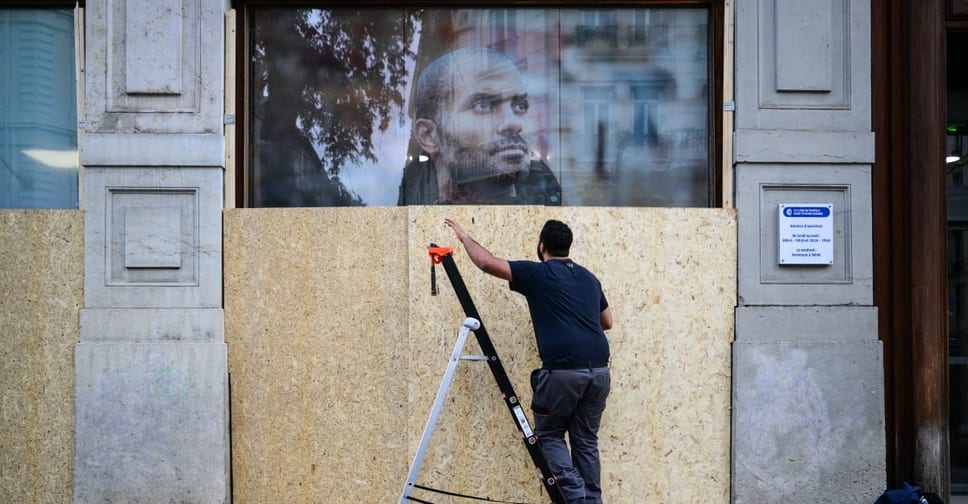
On October 24, 2026, the night before the protests, the city was already on edge. Rioters had smashed and looted hundreds of shops in Paris, Marseille, and Bordeaux. The damage was extensive, with 1,500 businesses targeted in the previous weekend's vandalism. The sight of boarded-up windows and smashed storefronts was a stark reminder of the unrest that had gripped the country.

Major museums in Paris closed and authorities deployed a sizable police force for a round of new protests Saturday across France, hoping to prevent a repeat of last week's violent unrest that shocked the country. https://t.co/Ndu2xc0yM0
In response to the recent incidents, the French government announced a significant increase in security measures. Interior Minister Laurent Nuñez, a man known for his firm stance on law and order, declared that 70,000 police officers would be deployed to prevent further violence. This was a substantial move, as it marked the largest deployment of security personnel in the country's history.
The ban was seen as a necessary step to maintain order, but it also sparked criticism from groups such as UNEF and the Yellow Vest movement.
The streets of Paris were soon filled with a sight that was both reassuring and intimidating. Police officers, some armed with batons and shields, patrolled the city with a presence that was felt everywhere. The government's decision to deploy 70,000 security personnel was a clear message that the authorities were taking the situation seriously and would not tolerate further violence.

#WATCH | #Paris steps up security, with shops boarded up and police deployed ahead of expected protests. #France plans to deploy 70,000 police officers nationwide, including elite security units, to prevent a repeat of the violence and looting reported last weekend. https://t.co/2A3hIDqVS8
Luxury stores, known for their high-end clientele and opulent displays, were not immune to the chaos. In the days leading up to the protests, luxury boutiques began boarding up their windows and adding extra security guards. The decision was a pragmatic one, driven by the fear of potential looting and vandalism. The industry was concerned about the potential negative publicity and its impact on business. As one luxury boutique owner put it, 'We can't afford to take any chances. The safety of our customers and our business is our top priority.'
Museums and landmarks, which are a significant part of Paris's cultural fabric, were also affected. The Louvre, one of the world's most visited museums, announced that it would be closing its doors to visitors. The decision was made to ensure the safety of both visitors and staff. The Eiffel Tower, another iconic landmark, also closed its doors, as did other museums and cultural institutions. The closure of these landmarks was a significant blow to the city's tourism industry, which relies heavily on these attractions.

Heavy police presence around Place de la Bastille in Paris today. Paris is facing another tense Saturday as the second round of protests begins (Act II). Police have banned today’s march from Bastille to Nation, but protesters are determined to gather anyway. There is a heavy police presence there, businesses have boarded up their windows, and fears of more violence are growing. #24octobre #24octobre2026
In an attempt to prevent further unrest, the French government banned protests in key cities such as Lyon, Nice, and Montpellier. The ban was seen as a necessary step to maintain order, but it also sparked criticism from groups such as UNEF and the Yellow Vest movement. These groups, which have been at the forefront of the protests, saw the ban as an infringement on their right to free speech and assembly. UNEF, a student union, issued a statement calling the ban 'an unnecessary and heavy-handed measure.' The Yellow Vest movement, which has been vocal in its opposition to the government's policies, also criticized the ban, arguing that it would only serve to exacerbate the tensions.
To further control the situation, the government imposed curfews in affected areas. The curfews, which were implemented in the early hours of the morning, were designed to limit the movement of people and reduce the risk of violence. While the curfews were seen as a necessary measure, they also sparked criticism from those who saw them as an infringement on personal freedom. The curfews were a significant step, as they marked the first time such measures had been implemented in the city in decades.
In the midst of the unrest, President Emmanuel Macron called for a defence council meeting. The meeting, which was attended by key government officials, was seen as a sign of the seriousness of the situation. The president, who has faced criticism for his handling of the protests, was keen to show that he was taking the situation seriously. The defence council meeting was a significant step, as it brought together the key players in the government to address the crisis.
In the aftermath of the protests, business leaders in Paris condemned the vandalism that had taken place. They issued statements calling for calm and urging the government to take decisive action. The business community, which has been vocal in its support of the government, saw the protests as a threat to the stability of the country. The business leaders' statements were a clear indication of the impact that the protests had on the economy and the need for a return to normalcy.
As the city prepares for another weekend of protests, the future of Paris remains uncertain. The measures taken by the government, while necessary, have not fully resolved the underlying issues that have led to the unrest. The closure of landmarks and the boarding up of windows are temporary solutions, but they do not address the root causes of the protests. The future of Paris, and indeed the future of France, will depend on the ability of the government to address these issues and restore stability to the country.