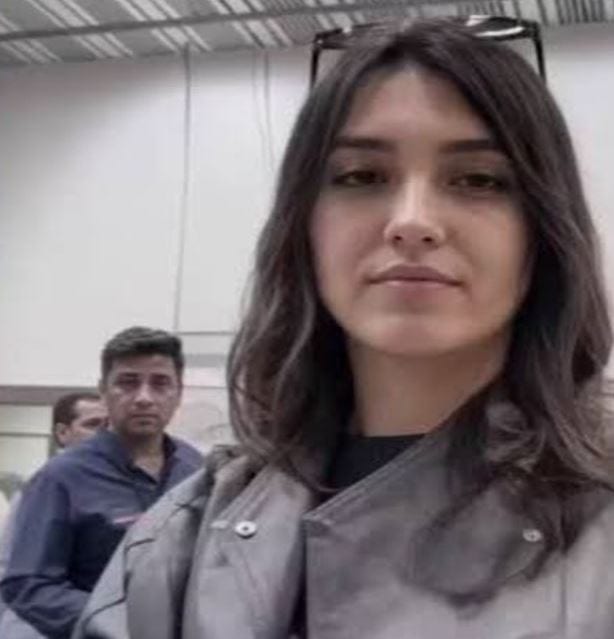
On October 24, 2026, the normally orderly proceedings of a Lahore court erupted into chaos. Ahmed Tanveer, a man accused of raping Diana, an Azerbaijani national, found himself at the center of a maelstrom. Despite having been granted interim bail, the Crime Control Department (CCD) made the controversial decision to take Tanveer into custody right there in the courtroom. The scene quickly escalated as tensions mounted between police and associates of the accused, culminating in a physical scuffle that underscored the highly charged nature of the proceedings.

Yet the legal system's wheels seemed to move in mysterious ways—granting bail while simultaneously allowing for continued detention, creating a contradictory legal posture that left many observers puzzled.
In a development that would shock the courtroom, Diana herself entered the fray not as a victim seeking justice, but as a witness with a different narrative. In a carefully prepared video statement that surfaced around the same time as the courtroom drama, Diana made a declaration that turned the case on its head: she declared Tanveer innocent. The video, which quickly spread through various channels, presented a version of events starkly different from the initial allegations that had led to Tanveer's arrest.
Perhaps most astonishing was Diana's explicit declaration of forgiveness.
"I gave my first statement under pressure," Diana revealed in her video, her words carrying the weight of reconsideration. "I wanted to appear before the court to record my statement but was told my life was in danger." This admission suggested a complex backstory to the case, hinting at external influences that may have shaped the initial narrative. The statement raised profound questions about the circumstances under which the original accusations were made and whether the legal system had adequately considered potential coercion.
Perhaps most astonishing was Diana's explicit declaration of forgiveness. "I have forgiven the other accused and do not wish to pursue the matter any further," she stated, effectively attempting to withdraw from the legal process that had been set in motion based on her original allegations. This personal stance complicated the legal authorities' position, particularly the CCD's decision to proceed with Tanveer's custody despite his bail and despite the alleged victim's changed position.
As the dust settled in the Lahore courtroom, the case found itself in an unprecedented legal limbo. With the alleged victim recanting her accusations and declaring the suspect innocent, while the authorities continued to pursue custody, the path forward remained unclear. The contradiction between the victim's current position and the state's actions created a narrative that transcended a simple criminal case, touching on questions of legal authority, victim autonomy, and the potential for external pressures in high-profile cases involving foreign nationals. The events of October 24, 2026, left the legal system grappling with how to reconcile these conflicting elements while still upholding principles of justice and due process.