
When the Indian contingent stepped onto the pitch in late October, the atmosphere was electric. Fresh from a four‑wicket victory, the team was eager to capitalize on its lead. Yet the excitement was abruptly tempered when Ishan Kishan, India’s dynamic wicketkeeper‑batter, went down clutching his right thigh during the first T20 International. The injury, later identified as a low‑grade strain of the adductor muscle, forced him off the field and cast a shadow over what had been a promising start.

Within hours of the incident, the Board of Control for Cricket in India (BCCI) issued an official statement confirming Kishan’s condition and his exclusion from the upcoming second T20I. The medical team described the strain as “low‑grade,” a term that in cricket parlance signals a minor tear that, while not career‑threatening, demands caution and rest. No timetable for his return was provided, underscoring the uncertainty that now hangs over India’s batting order.
Kishan’s role extends beyond his aggressive batting; as a wicketkeeper he orchestrates field placements and provides a steadying presence behind the stumps. Losing him not only dents the team’s firepower—he contributed a solitary run in the first match—but also forces a reshuffle of responsibilities that the BCCI must address swiftly.
The BCCI’s silence on a return date suggests a cautious approach, prioritizing long‑term health over a rushed comeback.

Ishan Kishan has been ruled out of the 2nd T20I against New Zealand in Christchurch due to a low-grade right adductor strain suffered in the first match. BCCI said the medical team is monitoring him. Read here:https://t.co/EqoHUqHbfo #IshanKishan #INDvsNZ #Injury #DNA https://t.co/tZXjxLko5r
In response to Kishan's absence, India announced a replacement for the second encounter. While the specific identity of the new squad member shifts the dynamics of the lineup, the substitution appears straightforward on paper—a promising young talent stepping into the vacant slot. This change carries its own set of expectations. As a batsman who has shown composure in limited‑overs formats, the incoming player offers a blend of stability and aggression that could mitigate the loss of Kishan’s explosiveness. Yet the abrupt nature of his inclusion leaves little room for acclimatization, especially against a New Zealand side that has already demonstrated resilience.
India's 1‑0 series lead, secured by a four‑wicket victory, now feels precarious. The first match’s margin was modest, and the absence of a key player like Kishan could tilt the balance. New Zealand, buoyed by the knowledge that their opponents are missing a primary wicketkeeper‑batter, will likely look to exploit any gaps in India’s fielding coordination and lower‑order batting depth.
Cricket analysts often point to the importance of continuity in the wicket‑keeping position. A sudden change can disrupt the rhythm between bowler and keeper, affect the execution of run‑outs, and even influence the morale of the fielding unit. With the BCCI medical team monitoring Kishan’s recovery, the team’s short‑term strategy now hinges on how quickly the replacement can slot into the role and whether the remaining batting lineup can compensate for the lost firepower.

Vaibhav Sooryavanshi is likely to feature in the second T20I after Ishan Kishan is ruled out of the match! 🇮🇳🌟 #NZvIND #T20Is #SKC #Sportskeeda https://t.co/JeaqQPzUzZ
The immediate concern for Kishan is rehabilitation. A low‑grade adductor strain typically requires a regimen of rest, physiotherapy, and gradual re‑introduction to full training. The BCCI’s silence on a return date suggests a cautious approach, prioritizing long‑term health over a rushed comeback.
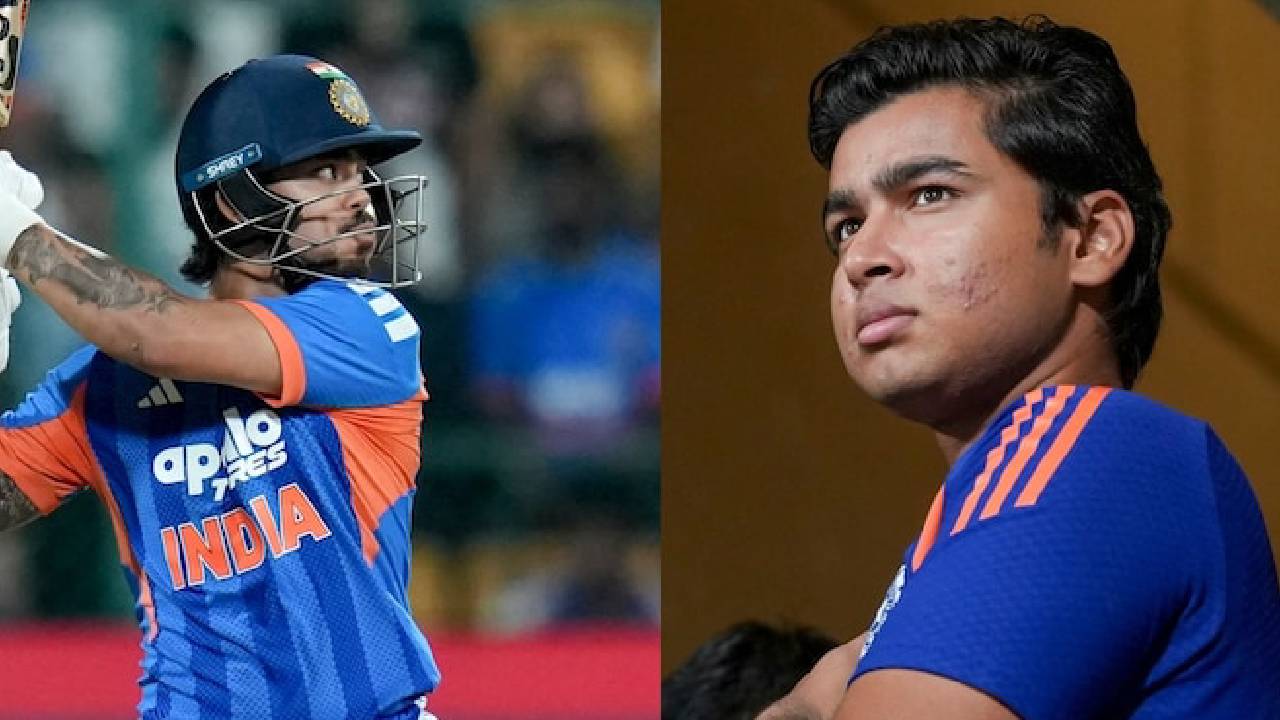
For India, the second T20I becomes a litmus test of depth. The squad must demonstrate that it can adapt to unforeseen setbacks—a hallmark of championship teams. If the newcomer performs admirably, it could signal a broader bench strength that bodes well for the remainder of the series and any forthcoming international commitments.
Injuries are an inevitable part of the sport, but high‑profile absences like Kishan’s reverberate beyond a single series. They prompt discussions about player workload, the rigors of back‑to‒back tours, and the importance of robust medical support structures. The BCCI’s prompt acknowledgment of the injury and transparent communication reflect a growing professionalism in handling player welfare.
As the second T20I looms, fans and pundits alike will watch not just for the scoreboard but for how the Indian side navigates this unexpected hurdle. Whether the team can preserve its lead without Kishan will shape narratives about resilience, depth, and the ever‑evolving dynamics of modern cricket.

Ishan Kishan Ruled Out of Second T20I Against New Zealand With Low-Grade Right Adductor Strain https://t.co/XlSzmSHz3v
The series stands at a crossroads. India’s early advantage is now under threat, and the performance of a newcomer in a pivotal role will be scrutinized. While Kishan’s recovery timeline remains uncertain, the immediate focus shifts to the field where the battle will be fought. In the high‑stakes world of international T20 cricket, a single injury can rewrite the script—making every over, every catch, and every run all the more consequential.