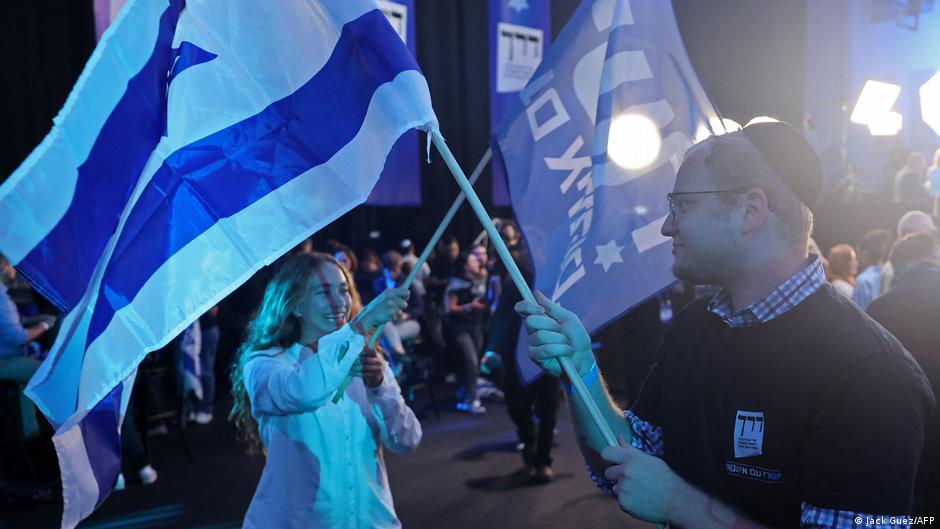
On October 27, 2026, the voters of Israel stepped into polling stations to decide more than just the composition of their parliament; they stepped into a referendum on the very direction of the state. As the first exit polls began to trickle in from the country's main news outlets, a portrait emerged of a nation deeply split. The results suggest a political landscape where no single vision holds a clear mandate, leaving the 120-seat Knesset in a state of precarious equilibrium.
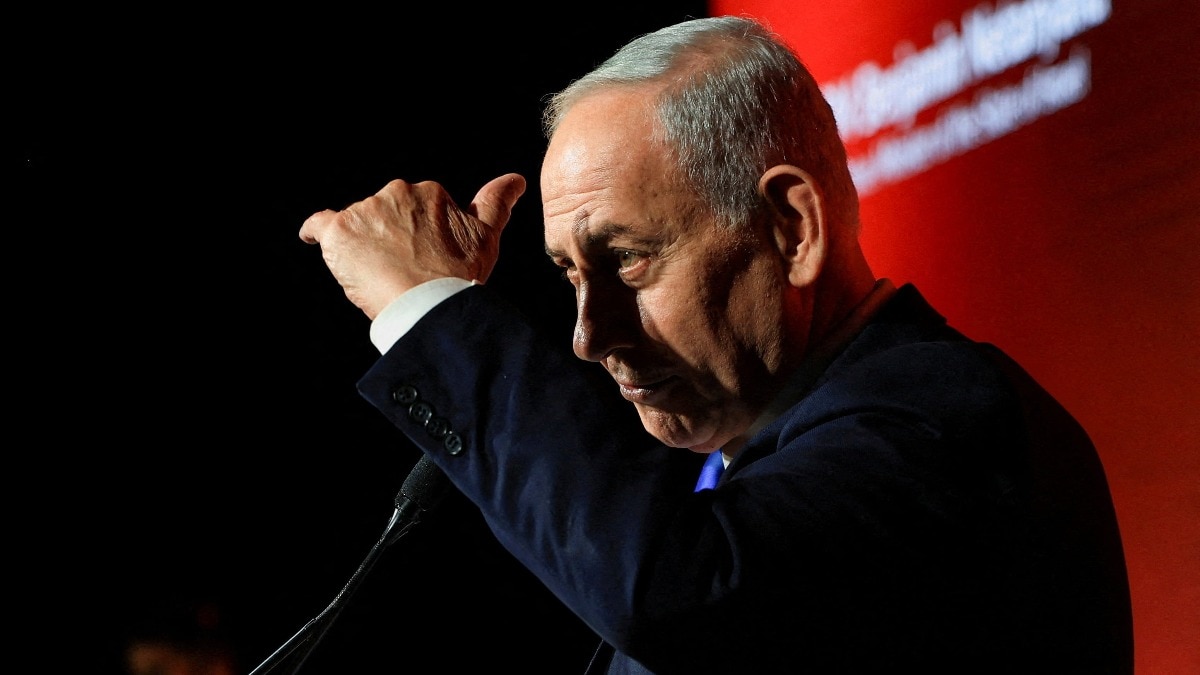
While the dust has yet to settle on the official tally, the preliminary data paints a picture of a country searching for a new way forward. The election has been characterized by much of the Israeli media not merely as a contest between parties, but as a direct opinion poll on the leadership of Prime Minister Benjamin Netanyahu. If these early indicators are accurate, the Israeli public has sent a signal that challenges the dominance of its longest-serving prime minister.
In the complex arithmetic of Israeli politics, being the largest single party does not always equate to being the most powerful. The exit polls reveal a mathematical paradox that will define the coming weeks. Benjamin Netanyahu’s Likud party is projected to retain its status as the largest single party in the parliament, a testament to his enduring base of support. However, size alone may not be enough to secure the halls of power.
Arab parties have shown significant gains in this election, moving from the periphery into a position of potential kingmakers.
While Likud holds the title of the largest individual faction, the broader opposition bloc, led by Gadi Eisenkot, has gained a narrow edge in the total seat count. This distinction is critical. In a 120-seat legislature, the magic number for a secure majority is 61. The exit polls suggest that while the opposition bloc is leading, it remains short of that decisive threshold, leaving both the ruling Likud and Eisenkot’s Yashar party struggling to find the numbers required to govern effectively.
For Benjamin Netanyahu, the election results represent a significant political blow. The exit polls suggest a palpable lack of confidence in his leadership, with his coalition expected to take a significant hit. This electoral turbulence arrives at a particularly sensitive moment for the Prime Minister, as his political fate remains inextricably linked to his ongoing corruption trial.
Netanyahu now finds himself in a position where his ability to form a stable coalition is increasingly uncertain. Even if Likud remains the largest party, the math required to assemble a governing majority seems to be slipping through his fingers. The struggle is not just about seats, but about the ability to command enough diverse interests to prevent the government from collapsing under the weight of its own divisions.
As the traditional giants of Israeli politics grapple for dominance, a third force is emerging that may hold the keys to the kingdom. Arab parties have shown significant gains in this election, moving from the periphery into a position of potential kingmakers. Their increased presence in the Knesset means that any attempt to form a new government will likely have to account for their influence.
Specifically, the Ra'am party is predicted to take seven seats. In a parliament where every single seat can tip the scales toward or away from a 61-seat majority, the role of Ra'am and other Arab parties will be crucial. They represent a demographic and political weight that can no longer be ignored by those seeking to build a functional coalition.

My urgent message to my friends in Israel! https://t.co/Eum7WlE2Ko
Standing in the shadow of the Likud's size is Gadi Eisenkot, the leader of the opposition bloc, who appears ready to capitalize on the shift in voter sentiment. For Eisenkot, the narrow edge gained by his bloc is more than just a statistical victory; it is a call to action. He has positioned himself as the primary alternative to the Netanyahu era, seeking to transform the political landscape.
Eisenkot has signaled his intent to move swiftly should the numbers align. "I will act immediately to carry out the people’s mandate, replace Netanyahu's government and form a Zionist government committed to military conscription as soon as possible," he stated, framing his potential leadership as a necessary correction for the country.
As the election concludes, the immediate future of Israel is defined by a period of intense negotiation and political maneuvering. The central question remains: who can find 61 allies in a room full of rivals? The exit polls suggest a parliament where the opposition leads, but the path to a majority is blocked by the very fragmentation the voters have produced.
With Likud holding the largest single party status but the opposition holding the momentum, the coming days will be a high-stakes game of coalition building. Whether Netanyahu can navigate his legal challenges and political losses to form a government, or whether Eisenkot can stitch together a diverse enough bloc to fulfill his promise, remains the defining uncertainty of the 2026 election.

Channel 14 exit poll update wipes Yisrael Beitenu off the map below the electoral threshold, putting a right wing bloc led by Netanyahu at 62 mandates Likud - 31 Yashar - 20 Bennett/Lapid - 11 Joint Arab List - 11 Shas - 10 Democrats - 9 Religious Zionism - 7 UTJ - 7 Ra’am - 7 Otzma Yehudit - 7 Yisrael Beitenu - 0