On November 1, 2024, the city of Novi Sad was plunged into a state of profound grief and anger. A massive concrete canopy at the local train station collapsed, a structural failure that claimed the lives of 16 people. In the immediate aftermath, the tragedy became more than a local disaster; it became a catalyst for a national reckoning. For many citizens, the collapse was not merely an accident, but a visceral symbol of systemic neglect and the failures of a government that had held power for 12 years. The incident ignited a wave of protests that would ripple across Serbia for nearly two years, fundamentally altering the country’s political landscape.
As the protests grew in scale and frequency, a new political force began to coalesce. Emerging from the streets and university lecture halls, the 'Student List' transformed from a loose collective of demonstrators into a formal political entity. This movement was not built on traditional party machinery, but on a foundation of public outrage and a demand for institutional accountability. By the time the movement reached its peak, it had managed to collect approximately 70,000 signatures, a testament to the depth of public support for a change in leadership. The movement’s momentum culminated in massive rallies, including a demonstration in Belgrade that drew an estimated 150,000 people, signaling that the status quo was no longer tenable.
At the heart of this opposition were figures like Ilija Srdanovic, a university professor who emerged as a central voice against the government of Aleksandar Vucic. Srdanovic and his colleagues provided the movement with a clear ideological framework, framing the struggle as a battle for the soul of the nation. As Srdanovic noted, "We represent the values of a civilized society, which this government has taken away from our citizens." By positioning the Student List as a defender of civil norms, these academics helped bridge the gap between student activism and broader public concerns, creating a coalition that appealed to a diverse range of voters.
Facing mounting pressure, Aleksandar Vucic, who had served as president, resigned from his post to run as prime minister in early general elections.
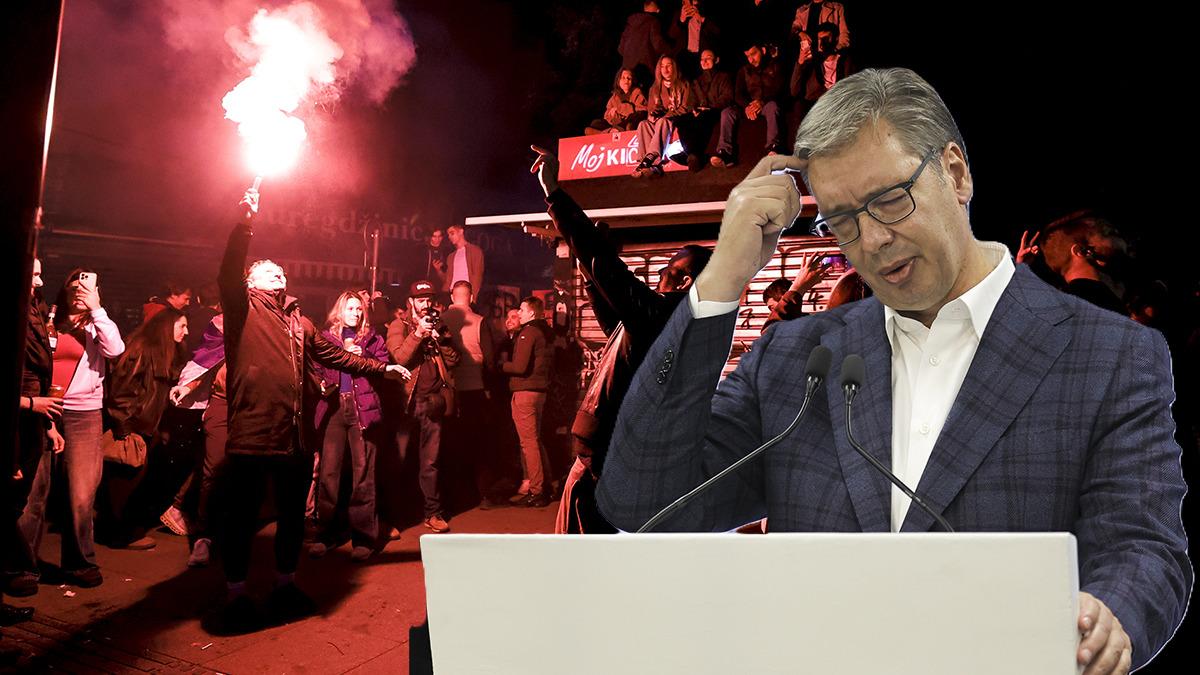
Facing mounting pressure, Aleksandar Vucic, who had served as president, resigned from his post to run as prime minister in early general elections. It was a strategic gamble intended to consolidate his influence, but the electorate had other plans. On October 26, 2026, the early general election took place, and the results were decisive. Vucic was forced to concede defeat, bringing his 12-year period of political dominance to a definitive end. Despite his concession, Vucic suggested that the election results were the product of a foreign-backed process, a claim that underscored the bitterness of the transition.
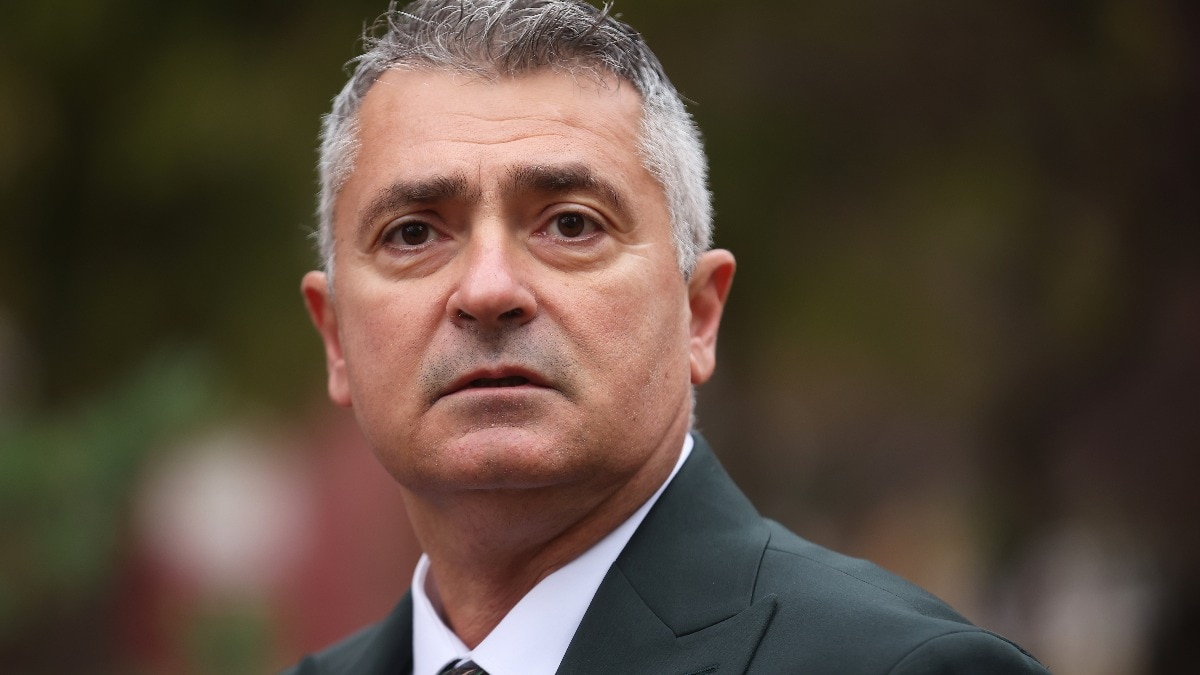
Following the announcement of the election results, the atmosphere in the country shifted from protest to the prospect of governance. Radomir Saicic, an academic who delivered the victory speech on behalf of the Student List, addressed the nation with a message of transition. Expressing gratitude to everyone who cast a ballot, Saicic emphasized that the work of governing had only just begun, stating that they would now start to build the future. For the students and professors who led the movement, the victory represents a significant departure from the policies of the past, as they prepare to translate their protest slogans into concrete policy decisions for a country that has spent two years demanding a new direction.