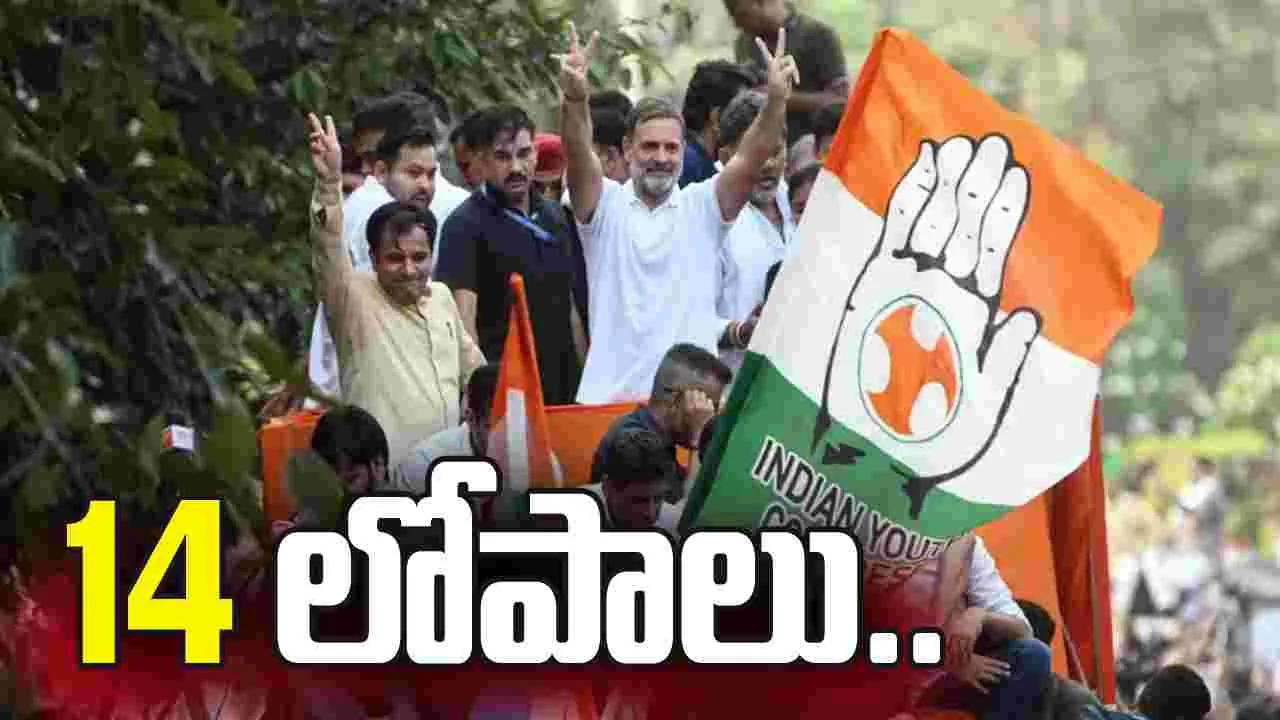
On 12 October 2026, Congress leader Rahul Gandhi together with a group of opposition leaders submitted a joint petition to the Supreme Court of India challenging the Election Commission of India. The filing was made through Advocate‑on‑Record S. Prasanna and sought relief against the poll body’s conduct.
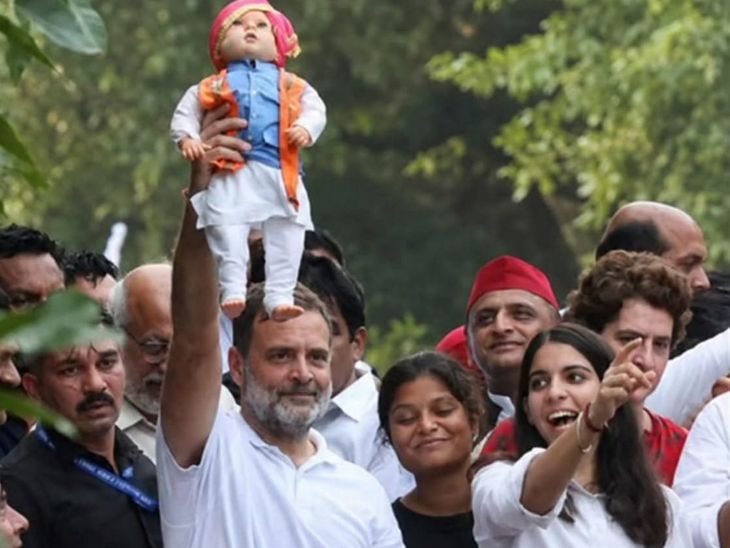
The same day the petition was lodged, the opposition leaders took to the streets of Delhi in a protest march, voicing their concerns about the Election Commission’s actions while the legal papers were being processed at the court.
Soon after the submission, the Supreme Court’s registry examined the petition and recorded fourteen specific objections. These defects ranged from procedural omissions to substantive inaccuracies, and they were serious enough to block the matter from being taken up for hearing.
The registry also pointed out that page nine of the petition contained inaccurate details about the respondents.
Among the fourteen points highlighted by the registry was the failure to attach certain mandatory documents that the court requires with every petition. The absence of these papers was noted as a clear defect that needed correction before the case could proceed.
The registry also pointed out that page nine of the petition contained inaccurate details about the respondents. The names or designations of the parties being sued were not correctly stated, which the court treats as a substantive flaw in the pleading.
Another objection raised by the registry concerned the inclusion of private individuals as parties in the petition. The filing did not provide a clear legal justification for why those individuals should be named alongside the Election Commission, leaving the court uncertain about their role in the case.
A more quantifiable defect identified by the registry was a financial shortfall: the petition was accompanied by a court‑fee payment that fell ₹220 short of the amount prescribed by the Supreme Court’s fee schedule. This underpayment was listed as one of the fourteen deficiencies.
The petition is officially recorded under Diary No. 64196/2026. It names the Election Commission of India as the primary respondent, together with the Chief Election Commissioner, Jyoti Kumar, and two Election Commissioners, Sukhbir Singh Sandhu and Vivek Joshi.
Because of the cumulative defects, the Supreme Court registry refused to place the matter on the board for immediate listing and hearing. As a result, the petition remains pending, awaiting the correction of the noted deficiencies before it can proceed further.