
On the evening of October 26, 2026, the streets of São Paulo pulsed with a mixture of relief and celebration. Supporters gathered around makeshift stages, waving flags and chanting the name of Luiz Inácio Lula da Silva. In a brief address, Lula thanked “the generosity of the Brazilian youth,” a nod to the wave of young voters who turned out in unprecedented numbers. The atmosphere was electric, not merely because a familiar face would return to the Palacio da Alvorada, but because the result had upended many pre‑election forecasts.

The runoff on October 25 was a classic Brazilian two‑round contest, where no candidate secured an outright majority in the first round, forcing a head‑to‑head showdown. Lula entered the second round trailing his opponent, conservative Senator Flávio Bolsonaro, by a narrow margin. Yet the final tally showed Lula with 51.8 percent of the vote to Bolsonaro’s 48.2 percent, a swing of more than three points. That shift turned a first‑round deficit into a decisive win, underscoring how quickly voter sentiment can change between rounds.
One of the most striking features of the election was the sheer number of voters who had stayed home in the first round—approximately 33 million abstainers. Analysts linked Lula’s surge to his campaign’s ability to mobilize these dormant voters. By reaching out to citizens who had previously disengaged, the leftist coalition added roughly 4.4 million votes to Lula’s total, enough to create a comfortable margin over his rival.
While the claim has yet to be substantiated, it reflects a broader pattern of post‑election disputes that have marked recent Brazilian politics.
The final vote count translated into a 4.4 million‑vote lead for Lula, a figure that dwarfs the typical swing in Brazilian presidential contests. This margin not only secured the fourth term for a leader already in his eighties—Lula turned 81 on Tuesday—but also placed him among the world’s longest‑serving presidents. The age factor, while a statistical curiosity, sparked conversations about experience versus renewal in a nation still grappling with deep political divides.
In the hours following the announcement, Flávio Bolsonaro signaled his intention to contest the outcome. He announced plans to seek an annulment of the election, alleging fraud. While the claim has yet to be substantiated, it reflects a broader pattern of post‑election disputes that have marked recent Brazilian politics. Bolsonaro’s stance, however, did not diminish the immediate impact of Lula’s victory on the ground, where celebrations continued unabated.
At 81, Lula joins a small cohort of world leaders who have remained in power well into their eighth decade. His longevity is notable not only for its rarity but also for the political continuity it suggests. For many Brazilians, Lula’s return signals a reaffirmation of policies pursued during his earlier terms, especially in areas like social welfare and environmental stewardship. For opponents, it raises questions about generational change and the capacity of an aging leadership to address emerging challenges.
Lula’s win is part of a larger narrative of left‑wing governance persisting in parts of Latin America, even as neighboring countries experience right‑wing surges. The election outcome reinforces Brazil’s position as a pivotal player in regional politics, where ideological currents often ripple across borders. Observers note that the Brazilian electorate’s choice may influence diplomatic alignments, trade negotiations, and climate commitments throughout the continent.
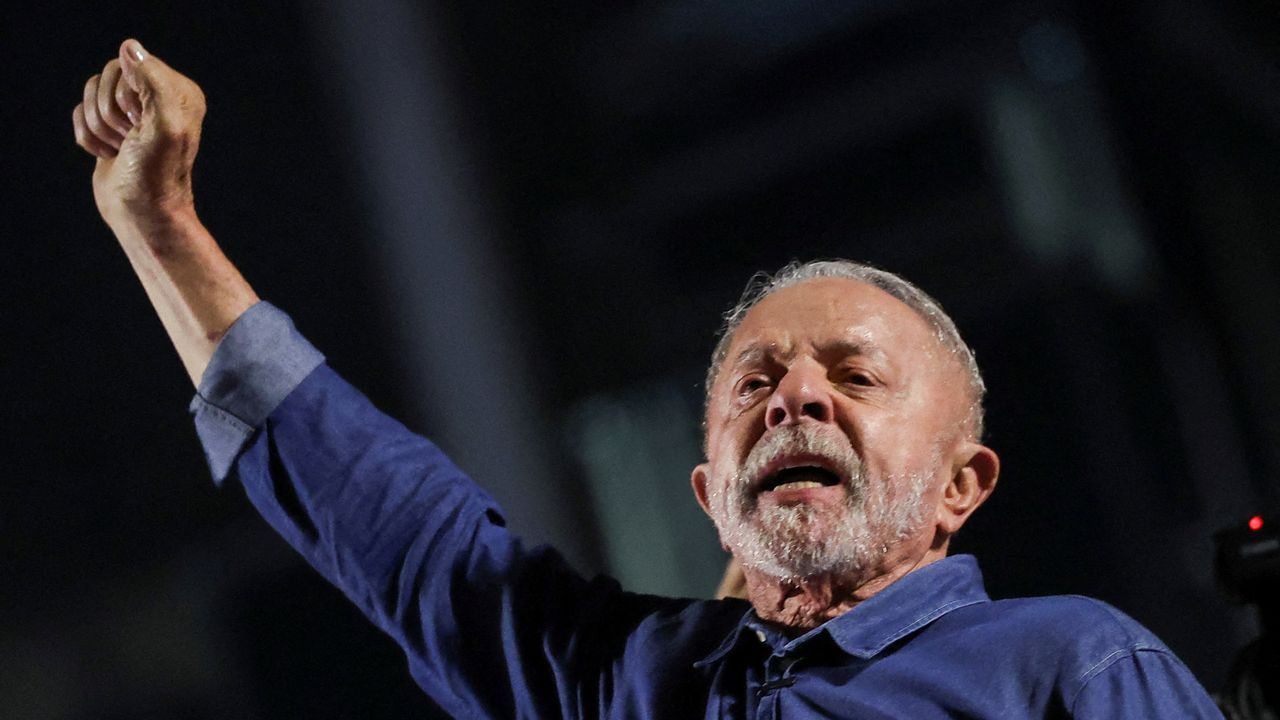
With the inauguration slated for early 2027, Lula now faces the task of translating electoral momentum into policy action. The decisive 51.8 percent mandate provides a strong democratic foundation, but the narrow 48.2 percent opposition underscores a nation still sharply divided. As Brazil moves forward, the interplay between an experienced leader, a mobilized youth, and a sizable segment of dissenting voters will shape the country’s trajectory for years to come.