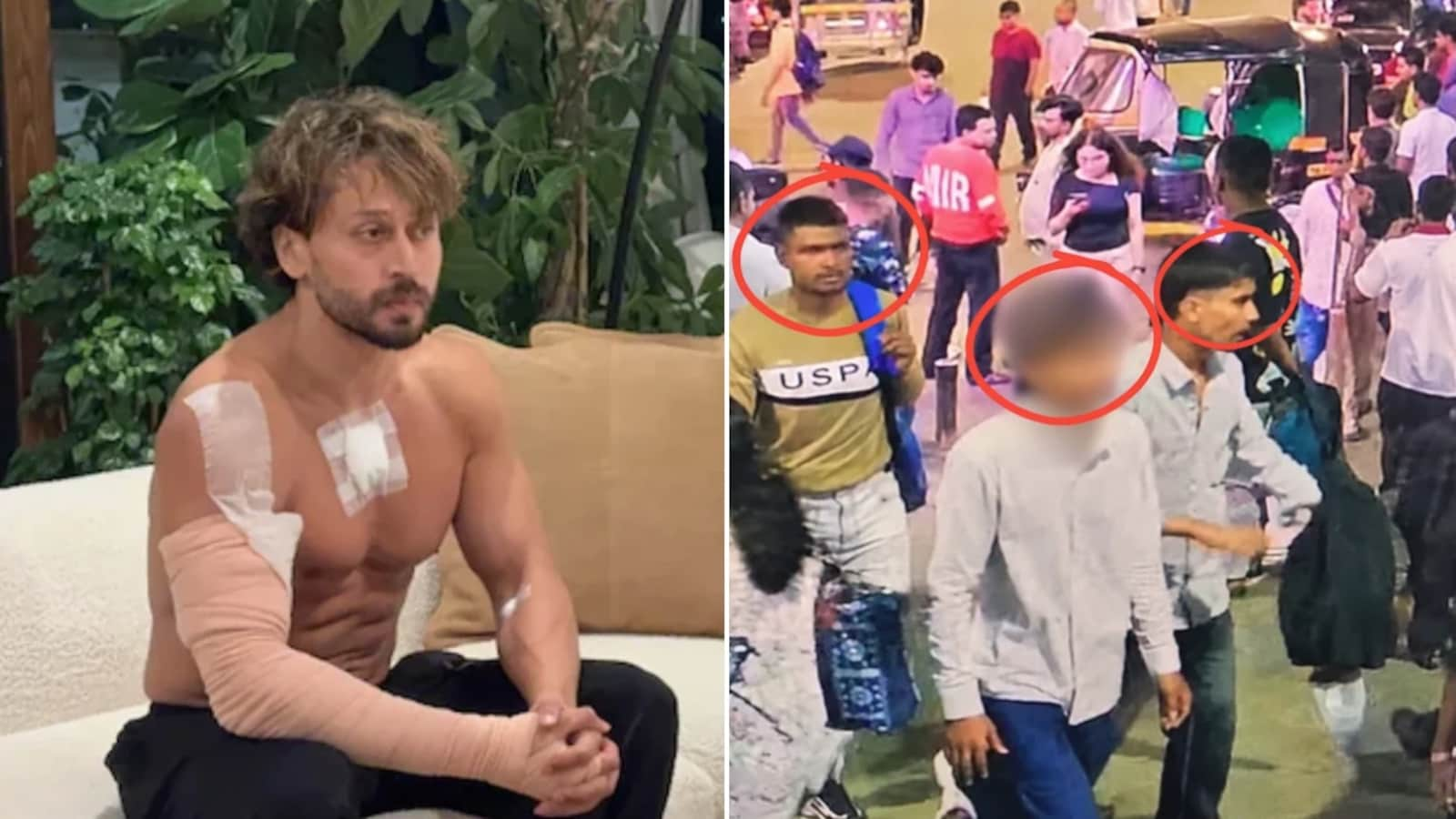
For most of the world, a haircut is a trivial decision, a matter of grooming or style. For Ritik, one of the three men arrested in connection with an alleged attempt to kill Bollywood actor Tiger Shroff, it was a piece of tactical armor. According to investigators, Ritik had been planning this attack for a full two months. Throughout that period, he deliberately changed his hairstyle. The goal was simple: to ensure that if anyone saw him in a crowd, or on a street corner, they would not recognize the face associated with the previous threats or the current plot. He wanted to move through the world unmarked, a ghost in the machinery of his own conspiracy.
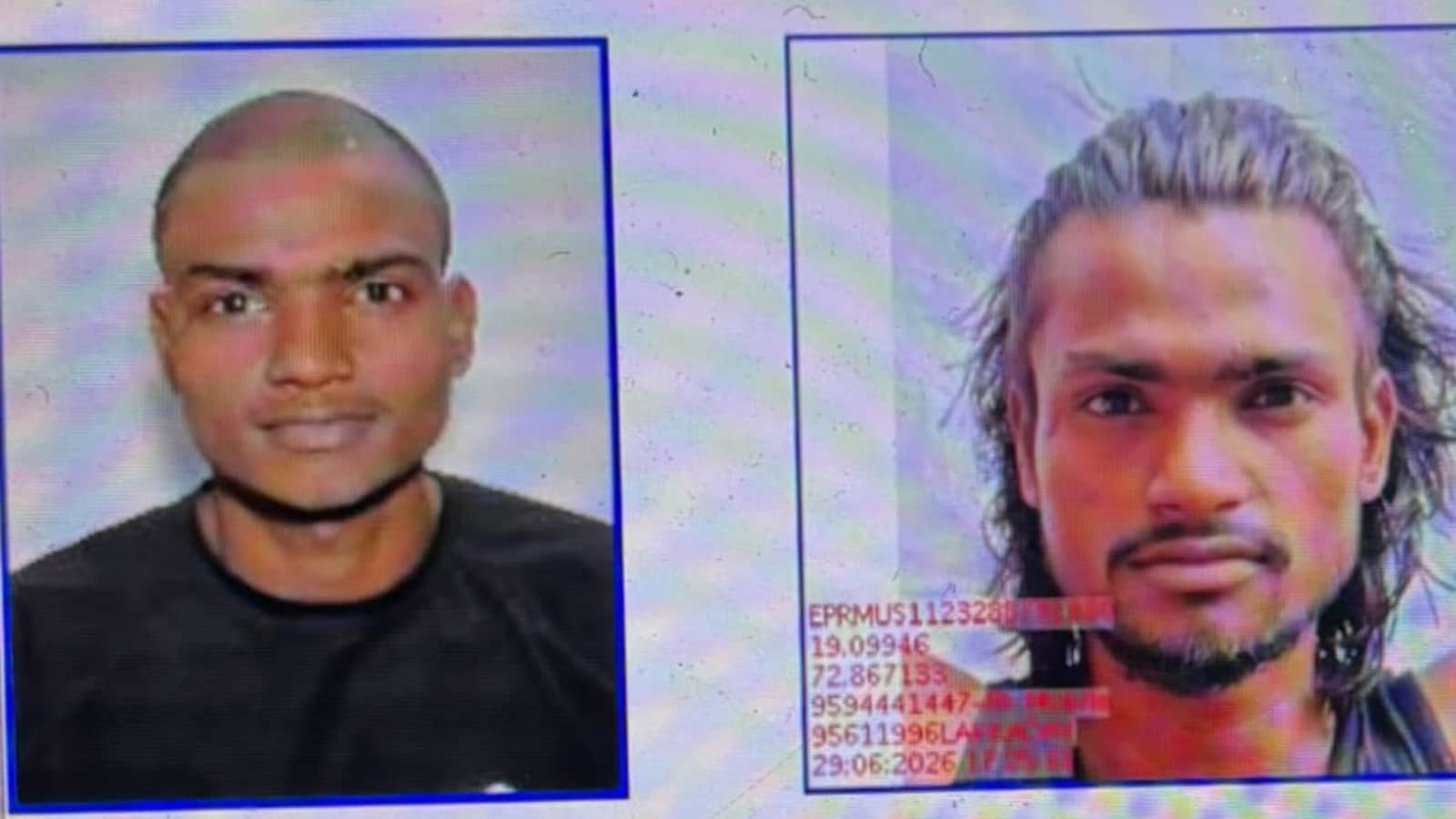
The planning did not happen in a vacuum. The investigation reveals a web of connections that reach into organized crime. Ritik was not acting alone; he was linked to two other suspects, one from Haryana and one from Bihar. These three men were arrested together, but the police are looking beyond the immediate gunmen. The investigation suggests that Ritik and his co-conspirators were connected to Anil Pandit. More critically, investigators suspect a link to the Lawrence Bishnoi gang, a criminal syndicate known for extortion and violence. If these links hold up in court, the incident shifts from a private vendetta to an organized crime operation, implying a level of sophistication and state-like reach that changes the nature of the threat entirely.
In the black market for violence, money is a signal. The police recovered evidence indicating that the accused received an advance payment of 50,000 rupees for the assassination attempt. In a currency where that sum is substantial for a daily wage worker, but trivial for organized crime syndicates, this payment acts as a trigger. It signals that the contract was signed, and the work was commissioned. It also complicates the legal narrative. The suspects are being charged with attempted murder, but the financial trail proves premeditation. They didn't just decide to shoot someone in a moment of rage; they were paid to do so, days, or weeks, in advance.
The most chilling aspect of the investigation is not the planning, or the money, or the concealment, but the communication.
As the plot against Shroff was being finalized, another bizarre incident was unfolding. Investigators noted that a tiger attack had occurred two months prior. While seemingly unrelated to the world of Bollywood and criminal gangs, the police have drawn a line between the two events. According to the summary of the investigation, law enforcement identified a person's identity through the tiger attack incident. It is not fully detailed how a wildlife encounter served as an identification tool, but the police are probing whether the person involved in the tiger incident had undisclosed intentions or derived benefits from the event. This adds a layer of complexity to the case, suggesting that the suspects may have been using the chaos of the tiger incident as a cover, or that the investigation into the wildlife event inadvertently uncovered the identities of the men plotting against Shroff.
The most chilling aspect of the investigation is not the planning, or the money, or the concealment, but the communication. Investigators state that the shooters allegedly informed their handlers that the operation was completed. This is the language of corporate hierarchy applied to violence. The gunmen report back to their bosses. They check the box. They wait for the next instruction. The use of the term "handlers" suggests a structured organization, not a loose group of criminals. It implies that the shooting was just one task on a larger list, a milestone in a broader campaign of intimidation or control.
Currently, the three accused individuals are awaiting a medical examination before they can appear in court. This is a standard procedure, but in this case, it serves as a pause button in the high-speed narrative of the investigation. The police are using this time to solidify their case, connecting the dots between the 50,000 rupee advance, the two-month planning period, the stylistic changes, and the alleged links to the Bishnoi gang.
Tiger Shroff remains central to the story, though the narrative focus is on the men who targeted him. The stance toward the actor is neutral in the current reporting; he is the victim, the target, the reason for the plot. The stance toward Ritik, however, is critical. He is the architect of the disguise, the man who cut his hair to hide in plain sight. His actions define the modus operandi of the plot.
The case is at a pivotal moment. The physical evidence is in hand, the suspects are in custody, and the investigative trail leads toward powerful criminal networks. The tiger incident remains a confusing variable in the equation, a strange footnote that police are trying to make sense of. For now, the story is one of exposure. The mask has slipped. The haircut could not hide the intent. The 50,000 rupees could not buy the silence of a police investigation. The handlers have been informed of the "completion" of the operation, but the operation is far from over. It has only just begun in the courtroom, where the true scope of the conspiracy will be tested.