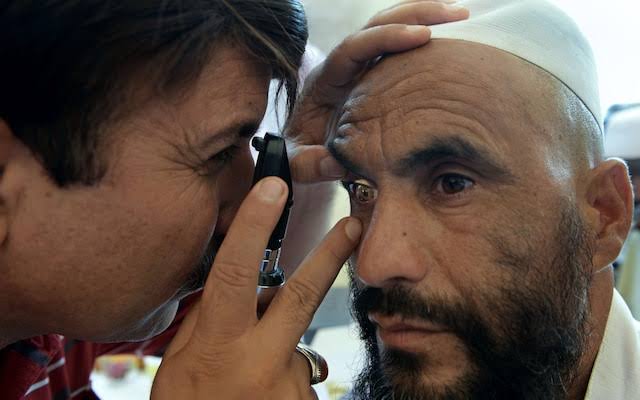
For many in Afghanistan, the prospect of sight was not a distant dream but a tangible medical reality. Earlier this year, a specialized medical program began to bridge the gap between blindness and vision, offering a way forward for those whose lives had been dimmed by ocular disease. It was a program built on cross-border cooperation and humanitarian intent, designed to provide life-altering corneal transplants to those in need. But on October 28, 2026, that progress was abruptly halted. A new directive from the Afghan Taliban has effectively shuttered the procedure, turning a corridor of hope into a dead end for hundreds of waiting patients.
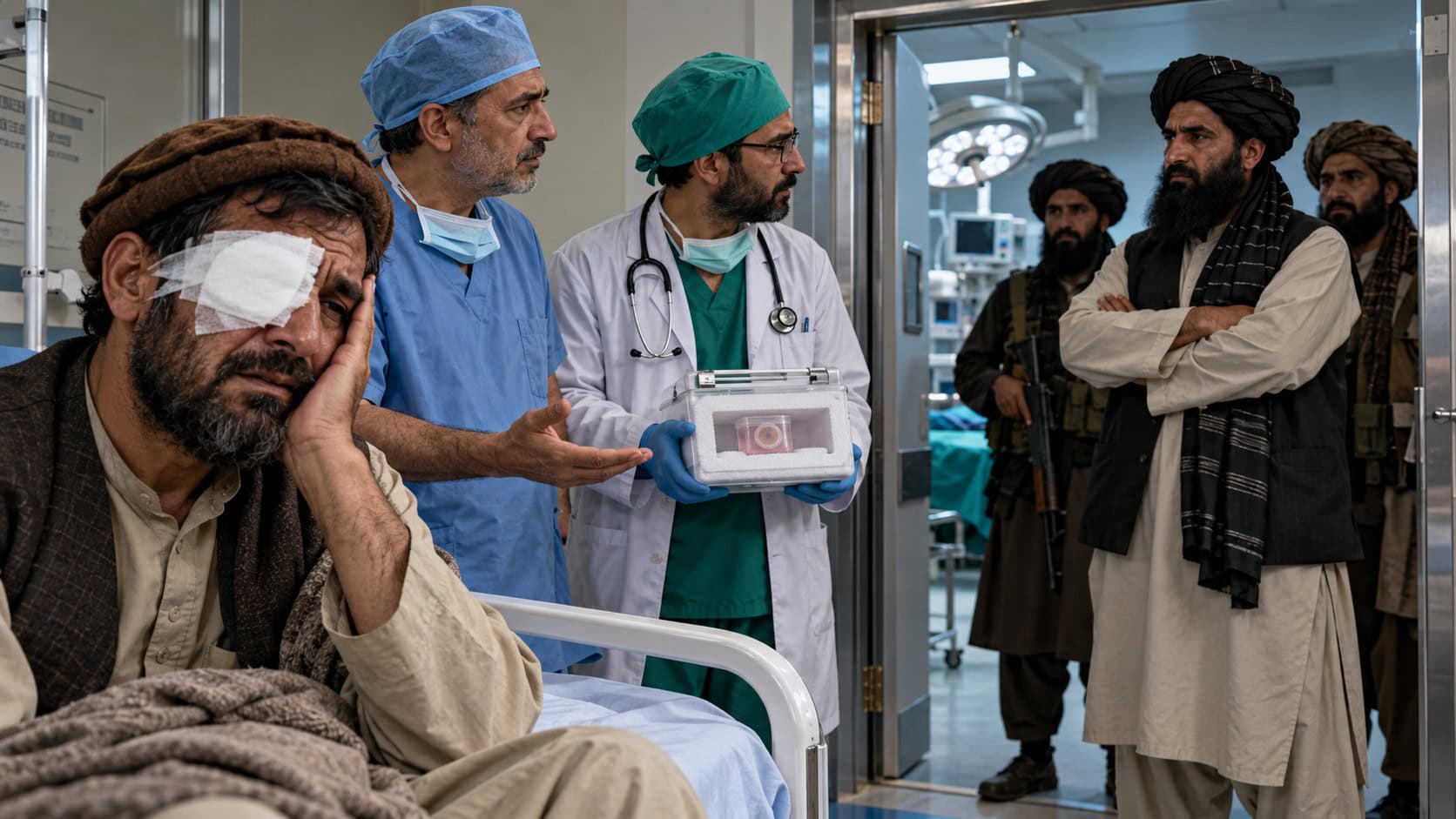
Unlike formal legislative shifts that undergo public debate or written documentation, this ban arrived with the suddenness of a spoken command. Reports indicate that the Taliban authorities imposed the restriction through verbal instructions, a method that leaves little room for legal appeal or administrative clarification. This sudden shift has sent shockwaves through the local healthcare infrastructure, disrupting a system that was already struggling to maintain stability under the current rule. By bypassing the formal written process, the decree has left medical providers and families alike in a state of sudden, unceremonious uncertainty.
At the heart of the decision lies a fundamental clash between medical advancement and a specific religious interpretation. The Taliban have declared corneal transplant surgeries to be 'un-Islamic,' a ruling that prioritizes their particular reading of Islamic teachings over the restorative potential of modern ophthalmology. In this framework, a procedure intended to restore a sense—sight—is viewed not as a mercy, but as a violation of religious principles. This theological stance has effectively criminalized a medical necessity, transforming a surgical intervention into a forbidden act.
These individuals, who had once faced a lifetime of darkness, were part of a growing group of people whose lives had been fundamentally altered by medical science.
The impact of this decision is not merely academic or political; it is deeply personal and physical. Before the ban, the program had already achieved significant success, having facilitated transplants for more than 150 Afghan patients. These individuals, who had once faced a lifetime of darkness, were part of a growing group of people whose lives had been fundamentally altered by medical science. Now, those 150 successes stand as a stark contrast to the hundreds of others who remain on waiting lists, their chance at sight suspended by a single decree.
This medical program was not an isolated effort but a coordinated humanitarian initiative led by the Association of Physicians of Pakistani Descent of North America (APPNA). The organization had been working to expand its reach, moving its operations across the border from Pakistan to ensure that the most vulnerable Afghans could access specialized care. The APPNA's work represented a vital link in a regional healthcare network, leveraging expertise and resources to address a critical void in Afghan medical services. With the ban in place, that bridge has been dismantled, leaving the APPNA's mission stalled and its patients stranded.
As it stands now, the landscape of ocular healthcare in Afghanistan has been fundamentally altered. The procedure that once promised to return vision to the blind has been replaced by a regulatory wall. For the hundreds of Afghans currently waiting for treatment, the timeline for their recovery is no longer determined by surgical availability or medical readiness, but by the shifting theological and political tides of the Taliban administration. The silence following the October 28 directive marks a grim new chapter for a population that was just beginning to see a way out of the dark.