For Ajam Khan and his son, Abdullah Ajam Khan, the finality of a guilty verdict often feels like a door locking shut. When a trial court finds defendants in error, the immediate consequence is the imposition of a sentence. For these two men, who were found guilty in two distinct cases, that weight became tangible. The legal system, designed to punish where guilt is established, moved forward with its standard procedures. Yet, the path to immediate incarceration was not the only option on the table. There is a procedural mechanism for individuals to challenge the immediate enforcement of that sentence while their legal battles continue. It is a narrow corridor, one that requires precise application and judicial sympathy. The journey began with a plea for relief. Ajam Khan and Abdullah did not just want to wait; they wanted to avoid the immediate sting of custody. They filed applications seeking to stay their sentences. More specifically, they sought interim bail, a temporary release that allows a defendant to function in society while the legal apparatus moves through its slower gears. This was not a bid to escape the court’s jurisdiction, but a request for breathing room. The stakes were high. A stay of sentence means the clock keeps ticking on a legal challenge, but the person behind the clock is no longer locked behind bars. It is a difference that changes everything for the individual involved.
The court looked at two separate cases, both rooted in the same issue: PAN card matters. The PAN, or Permanent Account Number, is a unique identifier used by the income tax department in India, but it also serves as a general identification document for many financial transactions. When these numbers are misused or the cards are forged, it triggers a cascade of legal consequences. In this instance, the trial court had already moved past the question of innocence and declared both men guilty. The High Court’s task was different. They had to decide if the men should be held in custody while the appeal or revision process unfolded. The court granted the plea for interim bail. This is a significant win. It means that for now, Ajam Khan and Abdullah are free. The court did not, however, grant the plea for acquittal. This distinction is vital. Acquittal is a declaration of innocence, a wiping away of the guilt. The High Court refused that. They allowed the men to live outside the prison, but they did not erase the verdict. The legal reality is split: they are at large, but they are not exonerated. The trial court’s finding of guilt remains on the record, casting a long shadow over any future proceedings. This split outcome is common in Indian criminal law. It allows the accused to prepare their next legal move, perhaps a revision or a further appeal, while maintaining the status of a convicted person.

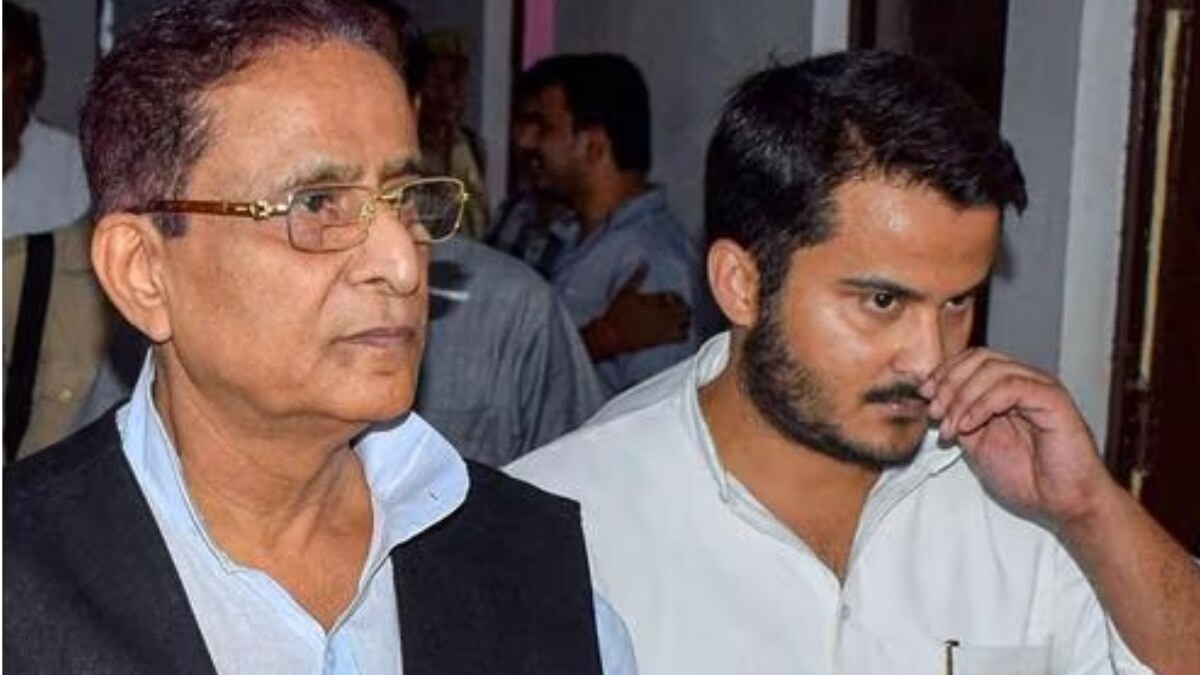
SP leader Azam Khan and his son Abdullah have been granted bail by Allahabad High Court in the case of possessing two PAN cards.
While the two men walk free, a different branch of the state is watching them closely. The Enforcement Directorate, or ED, is an agency that deals with money laundering and financial irregularities. They have a specific action in progress against Ajam Khan. This probe centers on a piece of property located at Aligarh Muslim University. The numbers attached to this property are staggering. The stated worth of the asset is 426 crore, a figure that points to a substantial financial stake. But the ED is not just looking at the cost; they are looking at the value. The market value has been assessed at 1170 crore. The gap between these two figures is where the legal scrutiny lies. A discrepancy of this size suggests that the transaction or the ownership of the property may not have been at arm's length. It raises questions about how such a valuable asset came to be held or transferred. The ED’s work is technical but aggressive. They trace the flow of money, the origin of funds, and the ultimate destination. For Ajam Khan, this means that his freedom from the criminal dockets does not mean freedom from financial scrutiny. He is moving through a space where one court has let him go, but another agency is preparing to pin him down based on paper trails and asset valuations.
But the ED is not just looking at the cost; they are looking at the value.
This legal moment is not just about two men and a card. It is about the tension between personal liberty and state oversight. The High Court of Allahabad made a neutral call, sticking to procedural justice. They allowed the bail, a standard practice for those who have not absconded and whose appeals are pending. But they did not let go of the guilt. They kept the conviction in place. For the public, this is a reminder that a bail order is not a victory. It is a pause. The real battle is the ED’s. The 1170 crore figure is a siren. It suggests that if the ED can prove that the 426 crore investment was a vehicle for illicit gains, the financial penalties could be catastrophic. The men are safe from the prison cell today, but they are not safe from the ledger. The chronology of these events, with the ED action noted on October 28, 2026, and the court order on October 29, 2026, shows the speed with which these parallel tracks move. The state is acting quickly. The court is acting carefully. And the men are caught in the middle, free in body but entangled in a web of numbers and legal obligations that they must now navigate, one step at a time.

STORY | Allahabad HC grants bail to SP leader Azam Khan in dual pan card case The Allahabad High Court on Thursday granted bail to Samajwadi Party leader Azam Khan in the dual PAN card case. Justice Samit Gopal, who was hearing a revision petition filed against a Rampur court judgement, however, refused to stay the sentence. READ: https://t.co/sCPpv9gbBH