
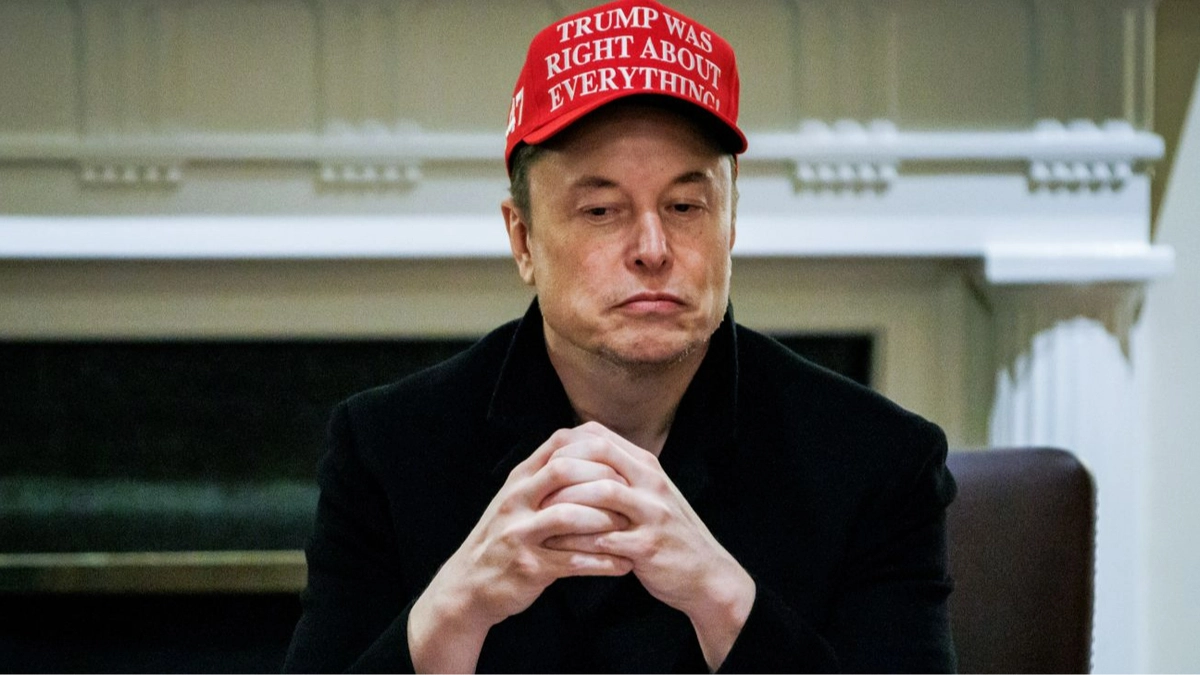
In the sprawling theater of the war in Ukraine, the front line is no longer defined solely by trenches and tanks; it is increasingly defined by bandwidth. For a while, that bandwidth was capped. The Wall Street Journal reports that US President Donald Trump personally reached out to SpaceX CEO Elon Musk to resolve a specific technical frustration: a speed limit imposed on Starlink terminals used by the Ukrainian military. The intervention was not a matter of policy debates in committee rooms, but a direct, high-level phone call that crossed from the Oval Office to the head of one of the world’s most powerful technology companies.
To understand why a presidential phone call was necessary, one must understand the specific constraint at play. The briefs indicate that speed limits were placed on Starlink for Ukrainian military use, capping the throughput at 161 km/h. While that number sounds like a highway speed limit, in the context of satellite communications, it represents a severe data transmission ceiling. For a military command structure trying to coordinate modern warfare, this cap created a bottleneck. It reportedly affected Ukrainian drone operations against Russian attacks, essentially choking off the flow of real-time data needed to steer and coordinate unmanned aerial systems. The restriction was imposed by SpaceX, leading to immediate concerns among military operators about the effectiveness of their own tools.
The chronology places this pivotal moment in late October, with the initial call occurring the day before the restrictions were removed. Trump, who had been advocating for the removal of these limitations, contacted Musk to request the lifting of the restrictions. This move highlighted a unique dynamic in modern warfare: the reliance on private, corporate infrastructure for critical military functions. Usually, such logistical and technical adjustments are handled through standard diplomatic or defense department channels. Here, the friction was high enough that the top political executive of the United States chose to intervene directly with the CEO of the private firm controlling the satellite network. The call was a request, not an order, but its weight was undeniable.
The Wall Street Journal noted that while the performance improved, full functionality had not been entirely restored.

BREAKING: Trump has called Elon Musk and asked him to reverse the Starlink restrictions on Ukraine, per WSJ
The response was swift. According to reports, the system started operating more normally the day after the initial contact, with functionality improving significantly. However, the situation was not a clean reset. The Wall Street Journal noted that while the performance improved, full functionality had not been entirely restored. The removal of the speed limits was a step forward, but the technical landscape remained complex. Experts suggested that completely lifting the restrictions would significantly enhance Ukraine's military capabilities, implying that the partial improvements, while welcome, were not the final destination for the system’s efficiency.
The incident did not end with the phone call. It triggered a parallel political reaction within the United States. US Senator Tom Tillis, taking a critical stance toward the handling of the situation, initiated an investigation into the Pentagon’s management of Starlink issues. This move suggests that the speed limit was not just a technical quirk, but potentially a systemic failure in how the US Department of Defense coordinates with private sector partners. The senator’s intervention adds a layer of accountability, forcing the military establishment to explain why such a bottleneck existed and how it was addressed before direct presidential intervention.
While Trump and Musk were navigating the technical hurdles, the diplomatic floor was busy as well. Ukraine’s President Volodymymy Zelensky discussed the state of Starlink and the broader threat of missiles with Mark Rubio, a US State Department official. This conversation underscored that the satellite network is not just a communications tool, but a critical component of Ukraine’s overall defense architecture against missile threats. The interplay between these conversations shows a government trying to juggle immediate technical fixes with long-term strategic security discussions.
The stakes are summarized by Michael Cohen, who noted that the removal of speed limits will significantly enhance Ukraine's ability to strike deep into enemy territory. He specifically highlighted the expansion of the use of reactive drone interceptors. These are not just passive defense tools; they are active assets that require high-speed data links to function effectively. When the data pipe is narrowed, the ability to react is compromised. The restriction on Starlink, therefore, was not just an inconvenience; it was a tactical handicap. The Trump-Musk call, by loosening that handicap, allowed Ukrainian forces to operate with greater agility and precision.
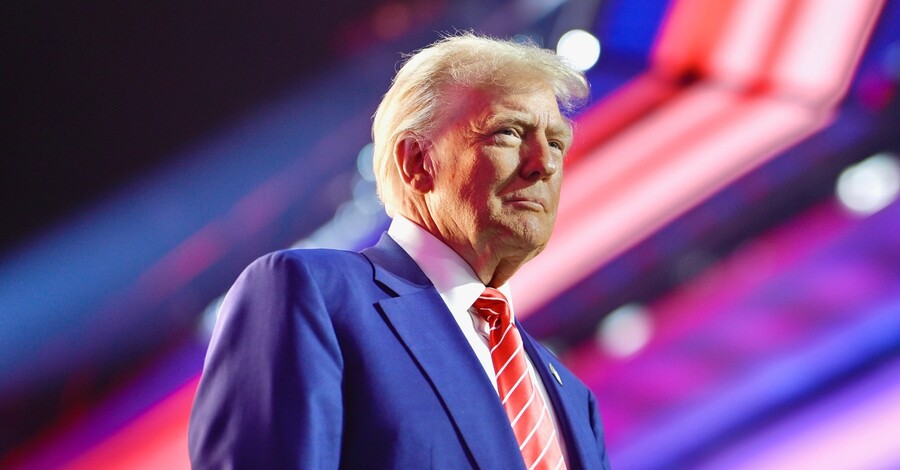

⚡️ Donald Trump urged Elon Musk to remove speed limits on Ukraine’s military Starlink terminals, according to The Wall Street Journal. Satellite connection speeds improved shortly after the conversation, according to U.S. and Ukrainian officials.
As of late October, the immediate crisis of the speed limit has been mitigated, with the system operating more normally than it did before the intervention. However, the underlying tensions remain visible. The fact that a direct call between a president and a tech CEO was required to fix a military data link highlights the unprecedented role of private space infrastructure in national security. The Senate investigation into the Pentagon’s handling of the issue suggests that the US government is now formally examining how it maintains critical support systems for allies.