
It was a crisp October night in late 2026 when the modest stands of Highbury Stadium filled with a mixture of anticipation and routine. Arsenal, fresh off a league campaign that had crowned them Premier League champions, were expected to glide through the Carabao Cup round with ease. Their opponent, Fleetwood Town, sat comfortably at 18th place in the fourth tier of English football, a position that rarely invites headlines. Yet, within the span of ninety minutes, the match would rewrite expectations and remind everyone why football remains the sport of surprises.
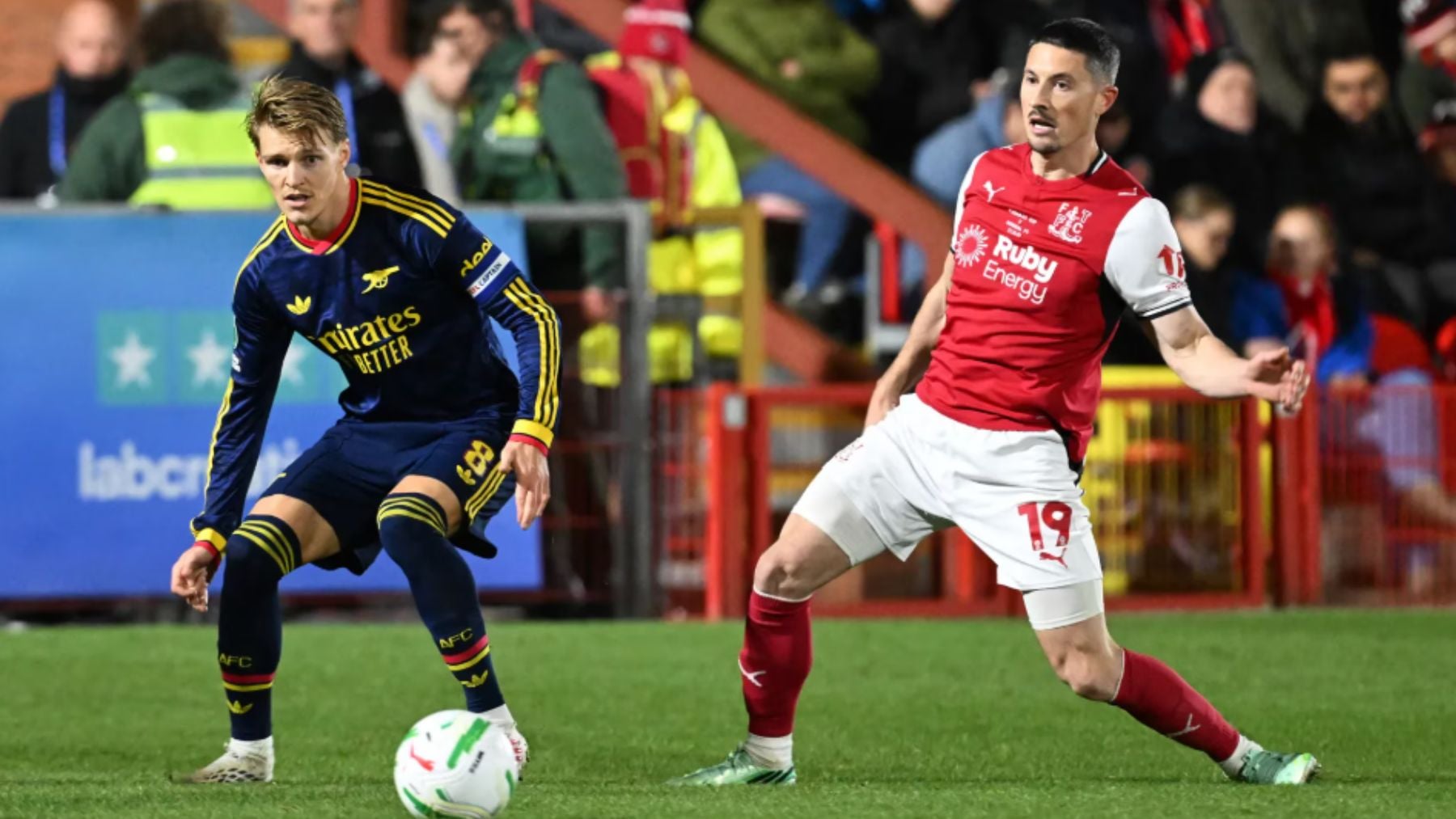
Midway through the first half, a low‑buzzing drone drifted over the pitch, its camera flashing as it hovered above the players. Officials halted play, the crowd murmuring in confusion while security worked to retrieve the rogue device. The interruption lasted only a few minutes, but it broke the flow for both sides. For Arsenal, whose possession game had already begun to dominate the ball, the pause disrupted their rhythm. For Fleetwood, it offered a moment to regroup, to remind themselves that a single cup tie could become a platform for a historic upset.

FOURTH-TIER FLEETWOOD TOWN ELIMINATE 2025-2026 PREMIER LEAGUE CHAMPIONS ARSENAL FROM THE CARABAO CUP 😱😱😱 BIGGEST UPSET IN ENGLISH FOOTBALL HISTORY 😤 https://t.co/PJNcrGKAQ4
Mikel Arteta, Arsenal’s manager, entered the match with nine changes from his previous league outing—a clear signal that the cup was an opportunity to test squad depth. The Gunners fielded a blend of seasoned internationals and promising youngsters, confident that their technical superiority would translate into goals. Fleetwood, meanwhile, deployed a compact, high‑pressing formation, intent on nullifying Arsenal’s passing lanes and forcing errors.
Fleetwood’s goalkeeper, Jay Lynch, emerged as the unlikely protagonist.
The first half saw Arsenal dominate possession, stringing together passes with the ease of a team accustomed to controlling games. Their pressure finally paid off when a well‑timed run into the box culminated in a low‑driven shot that slipped past Fleetwood’s keeper, putting the champions ahead 1‑0.
But the lead was short‑lived. Fleetwood’s response came from a swift counter‑attack, capitalising on a momentary lapse in Arsenal’s defensive line. A lofted ball found the feet of a Fleetwood forward, who slotted it home with composure beyond his league standing. The equaliser restored balance and set the stage for a dramatic finale.
Arsenal just lost to Fleetwood Town in the EFL Cup. Arsenal’s roster: $1.5 BILLION Fleetwood Town’s roster: $3 million Fleetwood is currently 18th in the 4th level of English soccer. Possibly the biggest upset in English soccer history. https://t.co/8aVUiKSlYp
With regulation time ending at 1‑1, the tie moved to a penalty shoot‑out—a scenario that often favours the side with composure under pressure. Fleetwood’s goalkeeper, Jay Lynch, emerged as the unlikely protagonist. He saved two Arsenal attempts, including a decisive miss from Bruno Guimarães, whose shot sailed over the crossbar. Arsenal’s other takers converted, but the cumulative tally of the shoot‑out stood at five successful penalties for Fleetwood, sealing a victory that will be remembered as one of the biggest in the club’s fifteen‑year Football League history.
In the locker rooms, the mood could not have been more contrasting. Arsenal’s camp, still reeling from the loss, faced criticism for underestimating a lower‑division side and for the sheer number of changes that perhaps disrupted cohesion. Mikel Arteta’s tactical gamble, while intended to rest key players, left the team vulnerable to the intensity that Fleetwood brought.
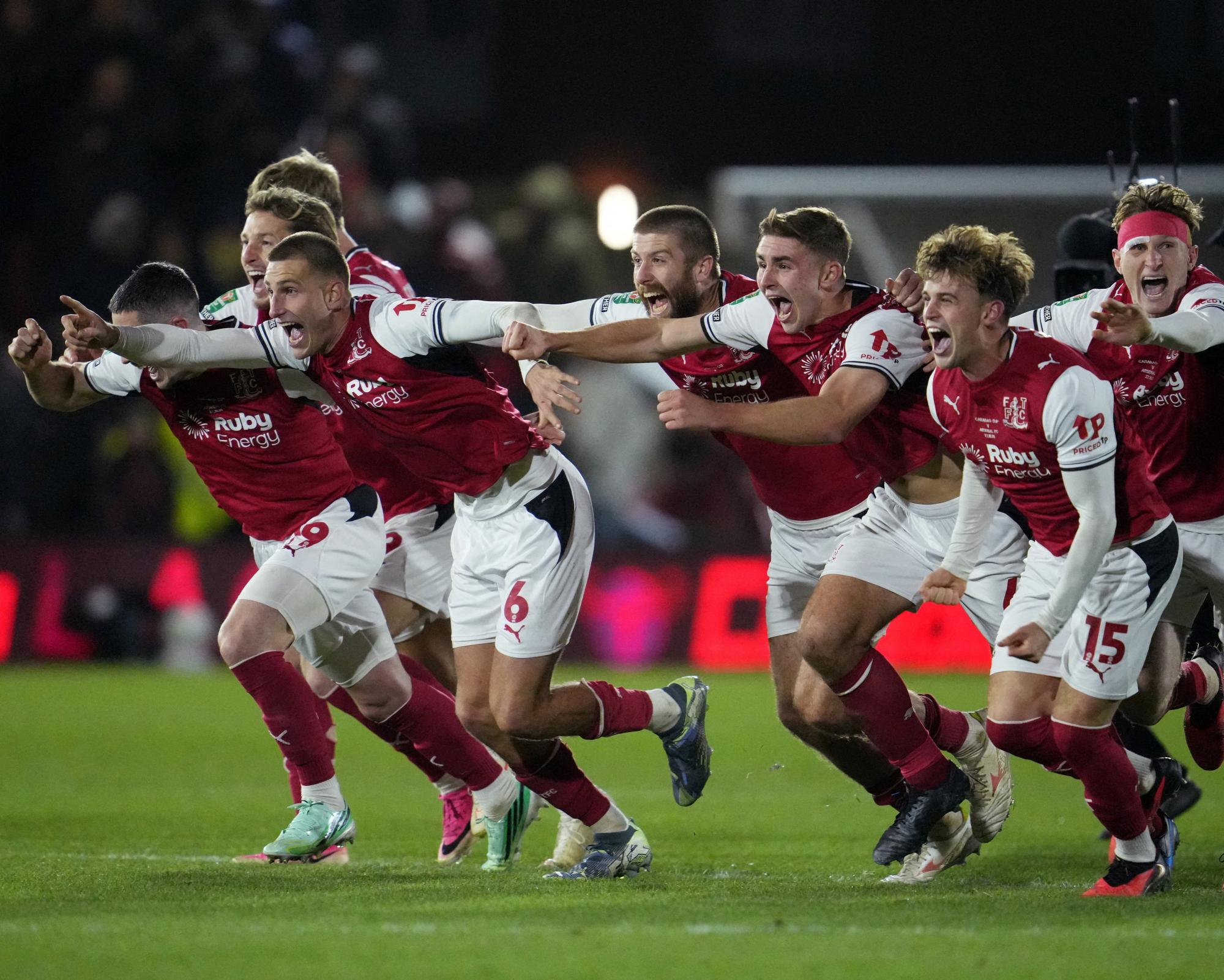
For Fleetwood Town, the win was more than a cup progression; it was a statement. The club’s supporters, who had travelled in modest numbers to the historic Highbury ground, erupted in jubilation. The victory propelled the team into the quarter‑finals of the Carabao Cup, a stage they had never imagined reaching.

Enjoy Fleetwood Town knocking Arsenal out the Carabao Cup 🍿 https://t.co/fgamP5VG0k
Cup competitions have long been fertile ground for "giant‑killing" stories, and this encounter added another chapter. The match underscored two enduring truths: first, that even a champion side can be undone by a well‑organised, motivated opponent; second, that external factors—like an unexpected drone—can subtly shift momentum in ways no coach can fully anticipate.
The result also sparked a broader conversation about squad rotation in high‑stakes fixtures. While managers often rotate to preserve player fitness, the fine line between rest and disruption became starkly evident. Arsenal’s nine changes, a figure highlighted in post‑match analysis, may serve as a cautionary tale for other top‑flight clubs navigating congested calendars.
As the Carabao Cup moves into its later stages, Arsenal must regroup quickly. The loss, though painful, offers an opportunity to reassess tactical approaches and to reinforce the mental edge required in knockout scenarios. For Fleetwood, the victory injects belief and momentum that could reverberate through their league campaign, potentially influencing their fight to climb out of the 18th‑place spot they currently occupy.
The story of late October 2026 will linger in the annals of English football: a night when a fourth‑tier side, armed with determination, a resilient goalkeeper, and a brief drone‑induced pause, toppled the reigning Premier League champions.