
For days, the state of Haryana operated with its energy sector in limbo. It was not a routine maintenance outage; it was a calculated standoff between the state government and its public servants. In a dramatic turn of events, the electricity employees of Haryana ended their strike. The confrontation began not over the routine of daily work, but over the fundamental nature of the power grid itself: would it remain a public utility or be handed over to private interests? Chief Minister Nayab Saini stepped in to end the standoff, making a definitive promise that would reshape the administrative landscape of the region's energy sector.
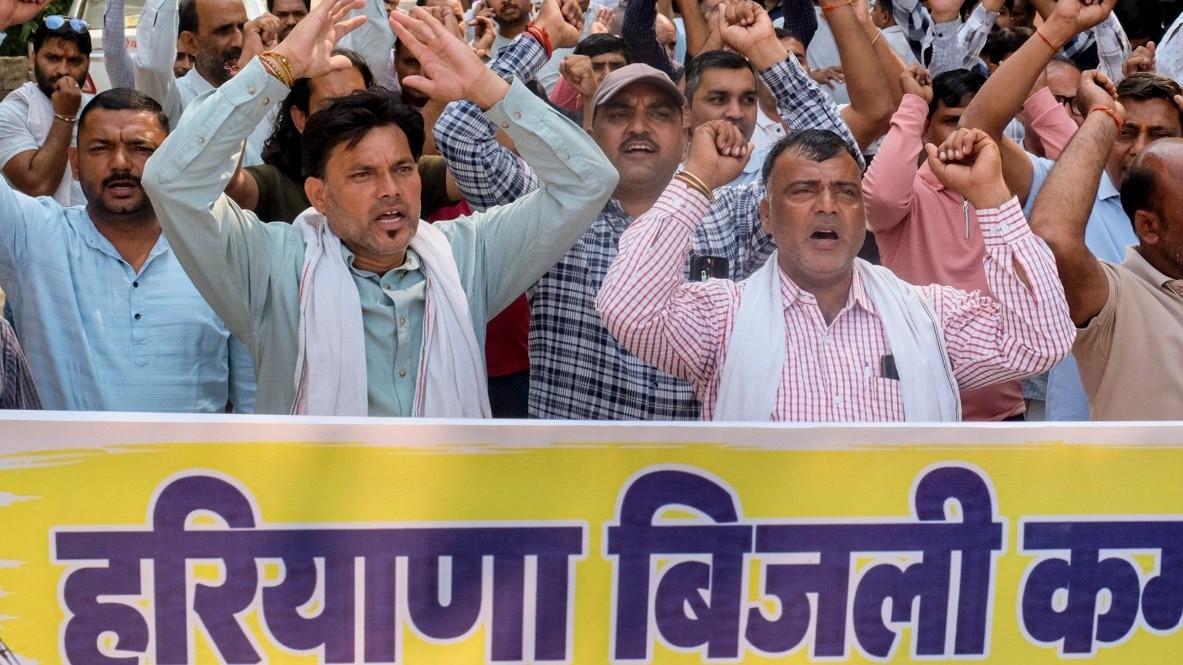
The spark that ignited this conflict was administrative, not legislative. The Haryana Electricity Regulatory Commission (HERC), the independent body tasked with overseeing the state's power distribution, had authorized a shift in operations. HERC issued a long-term license to a private entity for the distribution of electricity in two major districts. For the state government, this was not a regulatory nuance; it was a direct incursion into a domain they viewed as strictly public property. The move sparked immediate outrage among the workers, who saw the licensing as a precursor to the dismantling of the public electricity department.
The union did not wait for a court ruling to protest. Electricity employees called a strike, effectively halting the momentum of the privatization effort. The union's leadership was clear: the strike was a defense against the licensing of private companies and the broader threat of privatization. They argued that the state's energy infrastructure was too vital and too public to be fragmented and sold off. For the workers, the electricity department was not just a place of employment; it was a core function of the government, and they viewed any external involvement as a betrayal of that social contract.
The climax of the standoff arrived when the union and the Chief Minister met.
The government's response was swift and legally anchored. Rather than engaging in open-ended negotiations that might dilute their position, the state administration invoked a specific provision of the Electricity Act of 2003. Under Section 108 of the Act, state governments hold the power to issue written directions to regulatory commissions, such as HERC, on matters they deem to be in the public interest. This is a powerful legal lever, allowing the state to overrule a commission's decision if it believes the public good demands it. By invoking this section, the Haryana government directed HERC to review and reconsider its order. It was a move that signaled the government would not stand by while its core utilities were privatized.
As the legal maneuvering unfolded, the pressure on the workers intensified, but so did the scrutiny of the government. Chief Minister Nayab Saini found himself at the center of this political storm. He had to balance his commitment to the workforce against the regulatory decisions made by independent bodies. The crux of the issue was not just about money; it was about control. The government had been open to discussions on all options, including the very use of Section 108, but they made it clear that the path forward would not involve private players managing the state's grid.
The climax of the standoff arrived when the union and the Chief Minister met. In this meeting, Saini provided the assurance the union had been demanding. He announced the cancellation of the private power distribution deal that had triggered the entire crisis. The license granted to a private entity for the distribution of electricity in two major districts was to be revoked. It was a decisive end to the privatization effort.
The union's immediate reaction was one of relief and validation. The agreement to end the strike was contingent on specific guarantees. For the workers, it was not enough that the government simply paused the privatization; they needed a legal shield against future attempts to sell off parts of the department. The government met them halfway by providing a blanket promise that the electricity department would function entirely under the government framework. This was a commitment to the public interest, aligning the union's goals with the state's long-term strategic vision.

However, the resolution of the crisis did not end the administrative conversation. While the privatization fight was over, the day-to-day issues of the workforce still needed attention. During the meeting, Saini also agreed to a broader review of the conditions within the department. The government acknowledged that the workers faced their own set of internal grievances, unrelated to the private licensing. To address these, a special meeting was scheduled for a future date. The agenda for this follow-up was much more mundane but no less important: discussions would focus on risk allowance and cadre promotions. By separating the existential threat of privatization from the routine concerns of career progression, the government managed to close one chapter while opening a new, more constructive one.
In the aftermath, the tone of the state government was firm and unambiguous. Saini, speaking to the press, made a point of stating that the decision was not a temporary retreat but a permanent stance. He declared that there would be no privatization of any kind. This was a message to both the public and the regulatory bodies.