On November 5, 2026, the Houthi militia, an Iranian-backed group that has been waging a long-standing war in Yemen, made headlines with a demand that sent shockwaves through the international community. The militia reportedly asked for a whopping $51 billion in compensation and formal recognition as the legitimate rulers of Yemen. This demand emerged in the wake of a series of attacks on Saudi oil tankers and the seizure of strategic territory, raising concerns about the energy sector and air travel.

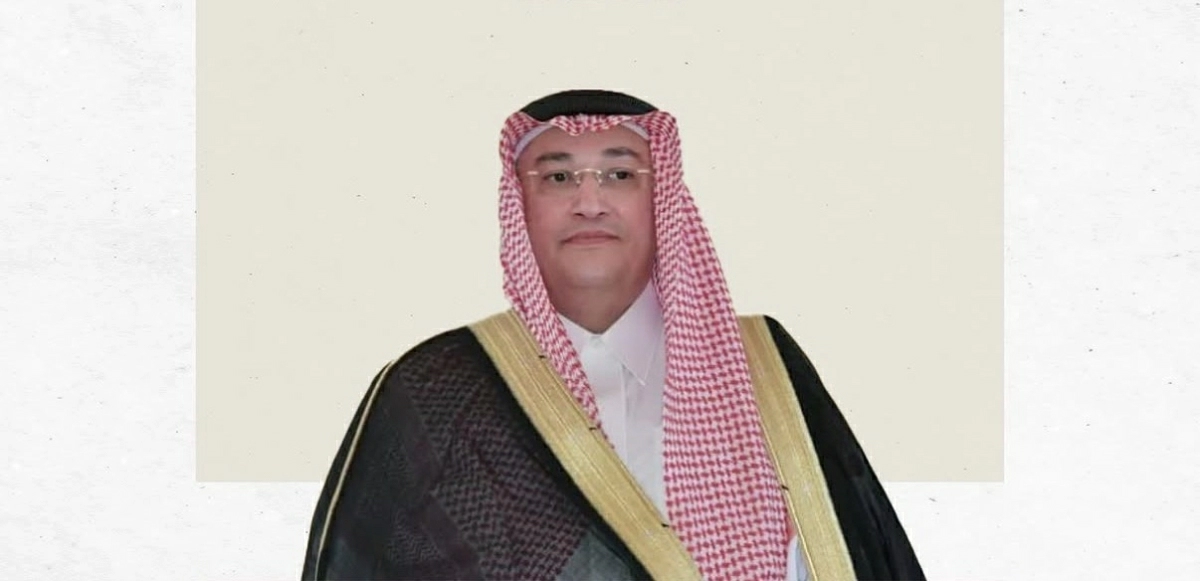
The Wall Street Journal, a respected American newspaper, reported on these demands, only to be swiftly dismissed by Saudi Arabia. In a statement, the Saudi Deputy Minister for Public Diplomacy, Ambassador Dr. Rayed Krimly, categorically denied the claims, describing them as 'pure fabrication.' Krimly emphasized that Yemen already has an internationally recognized government, leaving the Houthi demands in a state of uncertainty.
The Yemen conflict is a complex web of alliances and interests. The Houthi militia, which has been fighting against the internationally recognized government of Yemen since 2014, has become a key player in the region. Backed by Iran, the Houthi group has been involved in numerous attacks and has seized significant territory, including the capital city, Sanaa. The conflict has led to a humanitarian crisis, with millions of Yemenis facing food shortages and other hardships.
These actions have raised concerns about the stability of the energy sector and the safety of air travel in the region.
Saudi Arabia, which has been leading a coalition in support of the internationally recognized government, has been a major player in the conflict. The Saudi response to the Houthi demands is part of a broader strategy to maintain its influence in the region and ensure the stability of the energy sector, which is crucial for the global economy.
In a statement released on November 5, 2026, Ambassador Krimly dismissed the Wall Street Journal report as 'fabricated.' He emphasized that the report was based on unverified sources and questioned the credibility of the information. Krimly's statement was unequivocal: 'I categorically deny the claims published by The Wall Street Journal regarding demands made by this militia. All of this is pure fabrication by the writers or their alleged sources.'
Krimly's statement was not just a denial but a broader critique of the Houthi militia. He accused them of contributing to the suffering of the Yemeni people and rejecting peace initiatives. Krimly's words were a clear signal to the international community that Saudi Arabia would not be swayed by the Houthi demands.
From the Houthi perspective, the demand for $51 billion and recognition as the legitimate rulers of Yemen is part of a broader strategy to assert their control over the country. The Houthi group has been involved in a series of attacks, including the recent seizure of strategic territory and the attacks on Saudi oil tankers. These actions have raised concerns about the stability of the energy sector and the safety of air travel in the region.

The Houthi militia has been using these actions to leverage their position and demand recognition from the international community. Their stance is critical, as they see the demand as a way to secure their position and gain support from other regional and international powers. The Houthi group has been known to use such tactics to maintain their influence and control over Yemen.
The international reaction to the Houthi demands has been mixed. Some countries and organizations have expressed concern about the potential impact on the energy sector and air travel, while others have called for a peaceful resolution to the conflict. The United Nations and other international bodies have been working to broker peace talks, but the Houthi demands have complicated these efforts.
The Wall Street Journal's report has been met with skepticism from other media outlets and experts. Some have questioned the credibility of the sources and the accuracy of the information. The Houthi group has not provided any official statement or clarification on the $51 billion demand, leaving the situation in a state of uncertainty.
As the conflict in Yemen continues, the Houthi demands and Saudi Arabia's rejection have added another layer of complexity to the situation. The international community is closely watching the developments, with a focus on maintaining stability in the region and ensuring the safety of the energy sector. The future of the conflict remains uncertain, with both sides holding firm to their positions.
The Houthi group's demand for $51 billion and recognition as the legitimate rulers of Yemen is a clear indication of their determination to maintain their control over the country. Saudi Arabia's rejection of the claims is a signal of its commitment to supporting the internationally recognized government and maintaining its influence in the region. The conflict in Yemen is a complex web of interests and alliances, and the future remains uncertain.
As of November 5, 2026, the situation in Yemen remains tense, with both the Houthi militia and Saudi Arabia holding firm to their positions. The international community is closely monitoring the developments, with a focus on maintaining stability and ensuring the safety of the energy sector. The future of the conflict is uncertain, but one thing is clear: the region is facing significant challenges that require a coordinated and comprehensive approach to resolve.