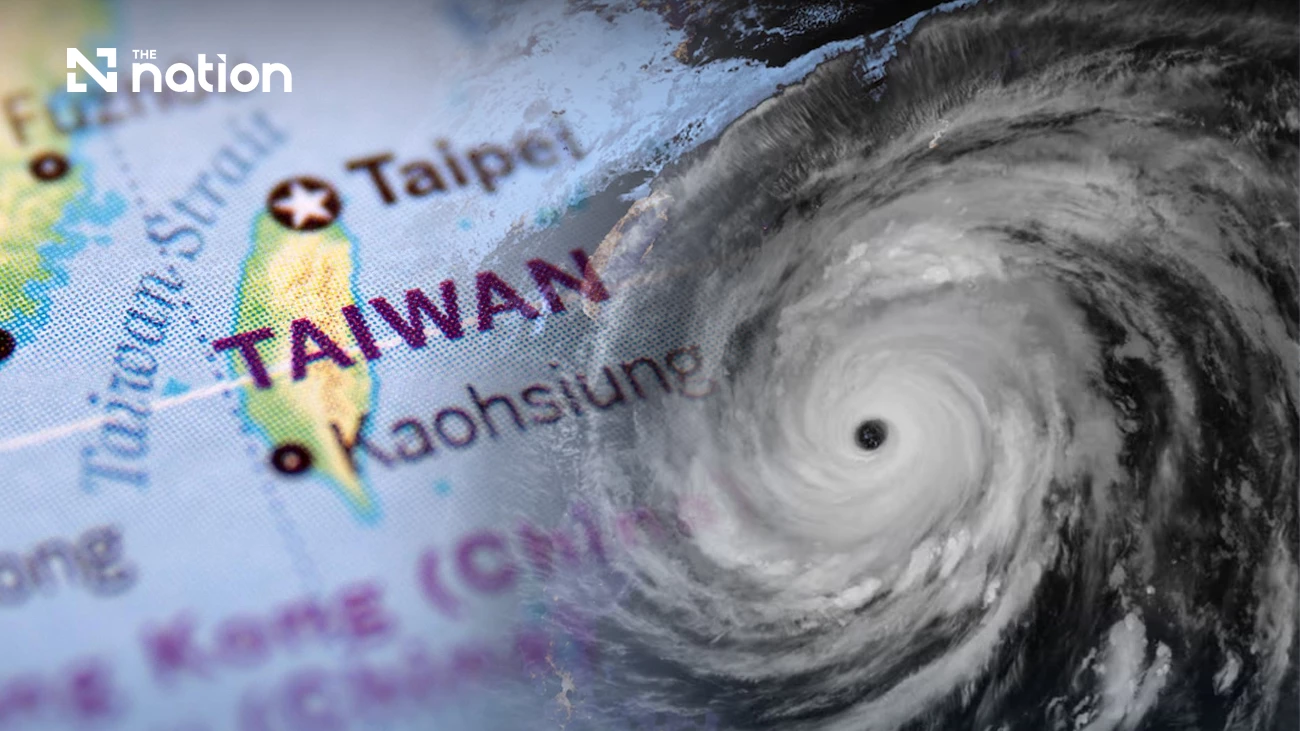
When the sky over the western Pacific darkened on October 22, 2026, travelers in Taiwan and Japan found themselves staring at a weather bulletin that read "Typhoon Champi." The name alone signaled a system of considerable strength, and the timing could not have been worse for a region already busy with holiday itineraries. For the average passenger, the looming threat meant a sudden reshuffling of plans, a reality that would soon affect more than 11,000 travelers.

Champi is not a modest tropical disturbance. Satellite data placed its eye roughly 520 km from the Taiwanese port of Oluanpi, and the storm’s radius stretched about 320 km in all directions. At its core, the typhoon sustained winds of 184 km/h, with gusts punching up to 227 km/h. Even the peripheral bands were fierce: southern Pingtung County, the outlying Penghu archipelago, Orchid Island and Green Island recorded sustained winds of 75 km/h. Such figures place Champi firmly in the category of a strong typhoon, capable of delivering torrential rain and wind damage across any land it brushes.
On the same day the storm’s metrics were released, Taiwanese authorities issued a land warning for the island. The warning signaled that heavy rain and strong winds were imminent, especially as northerly breezes were expected to sustain the deluge even after the storm’s eye passed. Emergency preparedness measures were activated, and officials reminded residents that a little more preparation means less risk—a sentiment echoed by President Lai Ching‑te in a brief statement.
Across the strait, Japan felt the ripple effects of Champi’s projected path over Yonaguni, the nation’s westernmost island.
The land warning translated quickly into concrete disruptions on the tarmac. Airlines announced the cancellation of 125 domestic flights across Taiwan, a move that directly impacted 11,000 passengers whose itineraries were suddenly in limbo. Airports in the capital and regional hubs alike saw gates empty as crews prepared for the storm’s onslaught. The cancellations were part of a broader effort to keep aircraft and passengers out of the storm’s most dangerous zones.
Across the strait, Japan felt the ripple effects of Champi’s projected path over Yonaguni, the nation’s westernmost island. More than 100 flights—both inbound and outbound—were scrubbed from the schedules of major carriers such as All Nippon Airways (ANA), Japan Airlines, and the low‑cost carrier Skymark. While the airlines did not issue detailed statements, their neutral stance in official communications underscored a shared priority: safety over punctuality.
Champi’s trajectory also raised concerns for military exercises scheduled in the vicinity of Yonaguni. The storm’s radius and wind speeds meant that any naval or air drills could be compromised, prompting a quiet reassessment by defense planners. Meanwhile, residents of Taiwan’s southern counties braced for sustained winds of 75 km/h, a speed sufficient to topple unsecured structures and complicate rescue operations.
President Lai Ching‑te summed up the government’s approach with a concise remark: “A little more preparation means less risk.” The comment, delivered without fanfare, reflected a broader public‑service message that preparation—whether securing homes, adjusting travel plans, or heeding official warnings—remains the most effective defense against nature’s volatility.

As the day progressed, Champi continued its westward march toward Taiwan’s coastline. Meteorologists warned that the heavy rain could linger, fed by the storm’s northerly wind component. Travelers still stranded faced the prospect of rebooking, while airports maintained heightened alert levels. The storm’s ultimate impact would depend on how quickly it moved inland and whether the warned‑in‑advance measures held firm. For now, the region watches, waiting for the eye to pass and the skies to clear.