
For a new observer, the most striking number in the 2025 French domestic violence report is not the total, but the silence surrounding it. When the government announced the data in late 2025, the headline figure landed with the weight of a new reality: 285,000 victims of domestic violence had been recorded by security forces in that year. This represents a five percent increase from the previous year, a statistical climb that signals the problem is not receding but gaining traction. For those unfamiliar with how these figures are derived, it is important to understand that these are not self-reported surveys, but cases actively logged by police and gendarmes. The 285,000 figure is therefore a floor, not a ceiling, representing only the violence that entered the public record. To understand why this number matters so deeply, one must look past the aggregate total and into the human demographics that define it. The report makes it clear that this is not a diffuse, evenly distributed issue; it is concentrated in specific bodies, specific relationships, and specific age groups, creating a portrait of a crisis that is both vast and painfully precise.
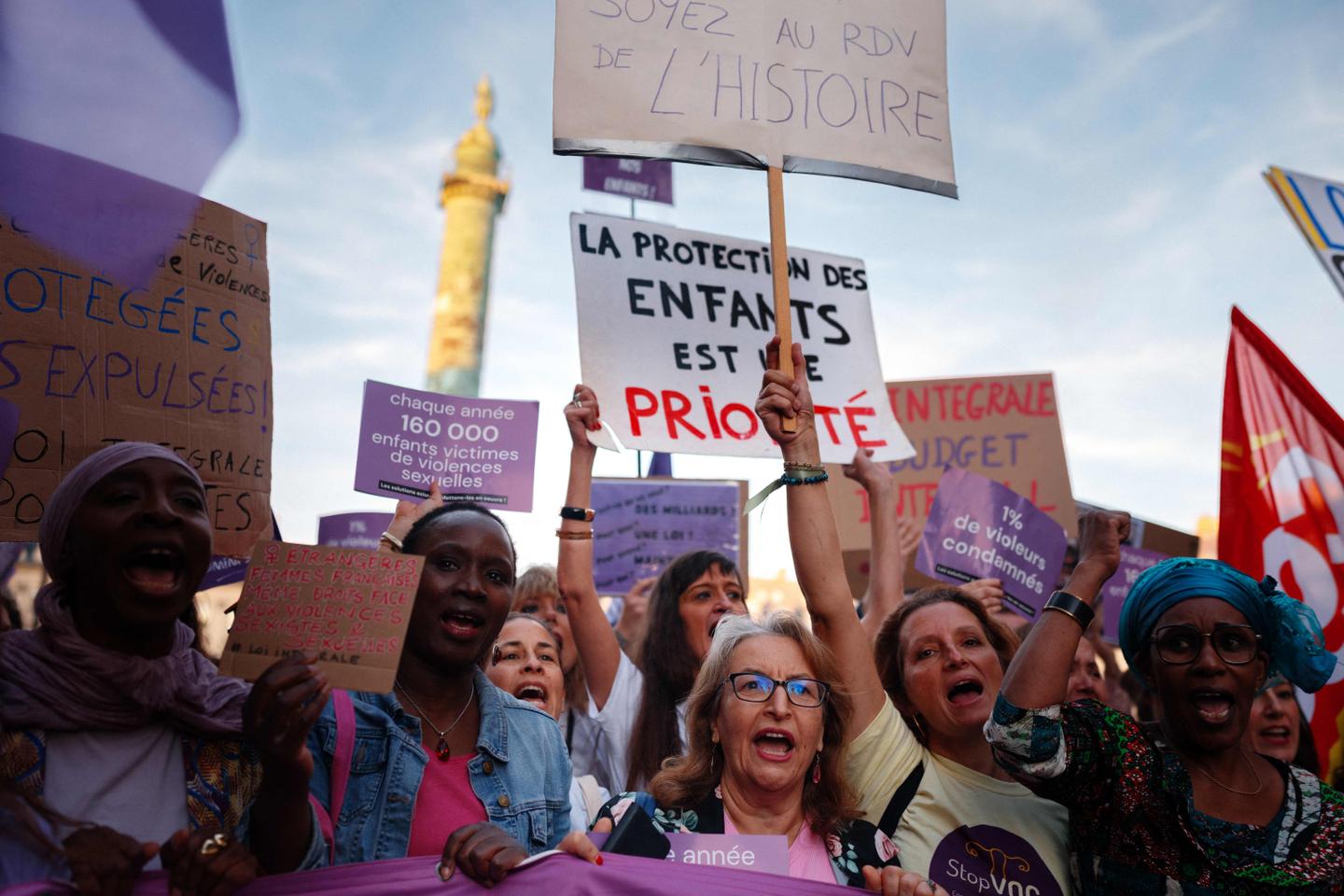
The data paints a stark gendered picture of domestic abuse in France. Women constitute 84 percent of the victims recorded in 2025. This is not a minor majority; it is an overwhelming one, indicating that the domestic sphere remains a site of disproportionate risk for women. Correspondingly, men account for 85 percent of the perpetrators. This near-total alignment between the gender of the victim and the gender of the aggressor helps clarify a common public misconception that domestic violence is a neutral conflict between equals. The numbers suggest a power dynamic is at play, one where men are far more likely to be the source of the harm and women the recipients. For a newcomer to the subject, this gender split is the first essential layer of understanding: the violence is systemic in its targeting, and public health interventions are increasingly designed with this specific demographic in mind. The clarity of this ratio allows policymakers to direct resources toward women’s support networks with a level of precision that would be impossible if the data were more evenly split.
While the gender dynamics define who is affected, the data on the type of violence defines how it is inflicted. Physical violence is the most common form, making up 63 percent of the recorded cases. This is a crucial data point because it challenges the idea that domestic abuse is primarily about words or economic control, although those elements are undeniably present and harmful. The fact that the majority of cases involve physical harm means that for many victims, the injury is visible, bodily, and often documented through medical records or police reports. Following physical abuse, verbal and psychological abuse are also significant components of the recorded violence, but they trail the physical in frequency. Understanding this hierarchy is vital for first responders and hospital staff, who must be primed to recognize that a broken bone or a bruise at home is not an accident, but part of a broader pattern of control and harm. The physical nature of the majority of cases also ties directly to the next critical issue: the failure of the system to capture these events at their source.
This under-reporting is driven by a complex mix of fear, economic dependence, shame, and distrust of the system.
Perhaps the most disheartening statistic in the 2025 report is the gap between occurrence and legal action. Only 13 percent of victims filed a complaint. This means that for every case that entered the criminal justice system, many other victims remained silent. For a new reader, this 13 percent figure serves as a lens for interpreting the entire 285,000 count. If only 13 percent of victims report to the police, the true scale of domestic violence in France is exponentially larger than the government’s recorded data suggests. This under-reporting is driven by a complex mix of fear, economic dependence, shame, and distrust of the system. It creates a dark pool of unrecorded suffering that the statistics cannot capture. The 285,000 number, therefore, represents the tip of the iceberg of a much deeper problem. The inability of the current system to encourage reporting means that legal protections and support services are largely unreachable for the majority of those in need, leaving them trapped in a cycle of harm that remains invisible to the state.
The report also highlights where these victims fit in the life course of French society. The majority of victims are in their early to mid-adult years, with 73 percent between the ages of 20 and 45. This demographic concentration reveals that domestic violence in France is largely a crisis of young and middle-aged adulthood. It is a period of life associated with early marriage, cohabitation, childbirth, and the establishment of financial independence. For newcomers to the topic, this age range suggests that the violence is often entangled with the early stages of family formation and economic vulnerability. These are individuals in their prime earning years, yet they are the most frequently harmed in the home. This demographic data informs prevention strategies, suggesting that interventions need to be targeted at young couples and those in the early years of parenthood, periods where stress, financial pressure, and shifting power dynamics are at their highest.
The statistical urgency of 2025 was met with a new institutional response as deputies approved a new authority to combat sexual and family violence.