
When the sun set over the Lorraine countryside, the city of Metz felt the quiet thud of a heartbeat that had long since stopped. Carlo Molinari, the Franco‑Italian who had steered the club he loved for 37 years, passed away at the age of 93. The announcement came directly from the club, the grenat that had been his second home for decades. In a world that moves so fast, the news of Molinari’s death felt like a pause, a reminder that history is still being written.

Before he was the face of FC Metz, Molinari was a motocross champion, a title that earned him the nickname “the dinosaur of French football.” He was a man of the road, of the track, of the grit that would later define his approach to football administration. His early years on the dirt taught him discipline, resilience, and an unyielding sense of community — qualities that would become the bedrock of his presidency.
Molinari’s tenure began when he took the reins of the club, a moment that marked the transition from regional obscurity to national relevance. He set out to modernise its infrastructure, its scouting network, and its financial model. The changes were subtle at first, but they laid the groundwork for a renaissance that would unfold over the next three decades.
Beyond the trophies and the headlines, Molinari was known for his human values and family spirit.
Under Molinari’s stewardship, FC Metz lifted the Coupe de France twice, a feat that cemented the club’s status in French football. The victories were not merely trophies; they were symbols of a philosophy that valued teamwork, perseverance, and a deep respect for the game’s traditions. Each cup win was celebrated with the same family‑like enthusiasm that Molinari himself championed.
Perhaps the most unforgettable moment of Molinari’s presidency came when Metz stunned the world by defeating FC Barcelona in a European match. The victory was not just a sporting triumph; it was a statement that a club built on values and community could stand toe‑to‑toe with the continent’s giants. The win remains a touchstone for Metz’s supporters, a story told from generation to generation.
Beyond the trophies and the headlines, Molinari was known for his human values and family spirit. Even after concluding his long tenure, he continued to advocate for the club’s ideals, offering guidance and mentorship to younger leaders. He was a mentor, a friend, and a living embodiment of the club’s ethos. His presence was felt in every corner of the stadium, in every training session, and in the hearts of the supporters.
The day of his passing, the city of Metz and its football community gathered in silence. The club’s official statement reflected the profound loss felt by all. It was simple yet powerful: a tribute to a man who had given his life to the club and its people.
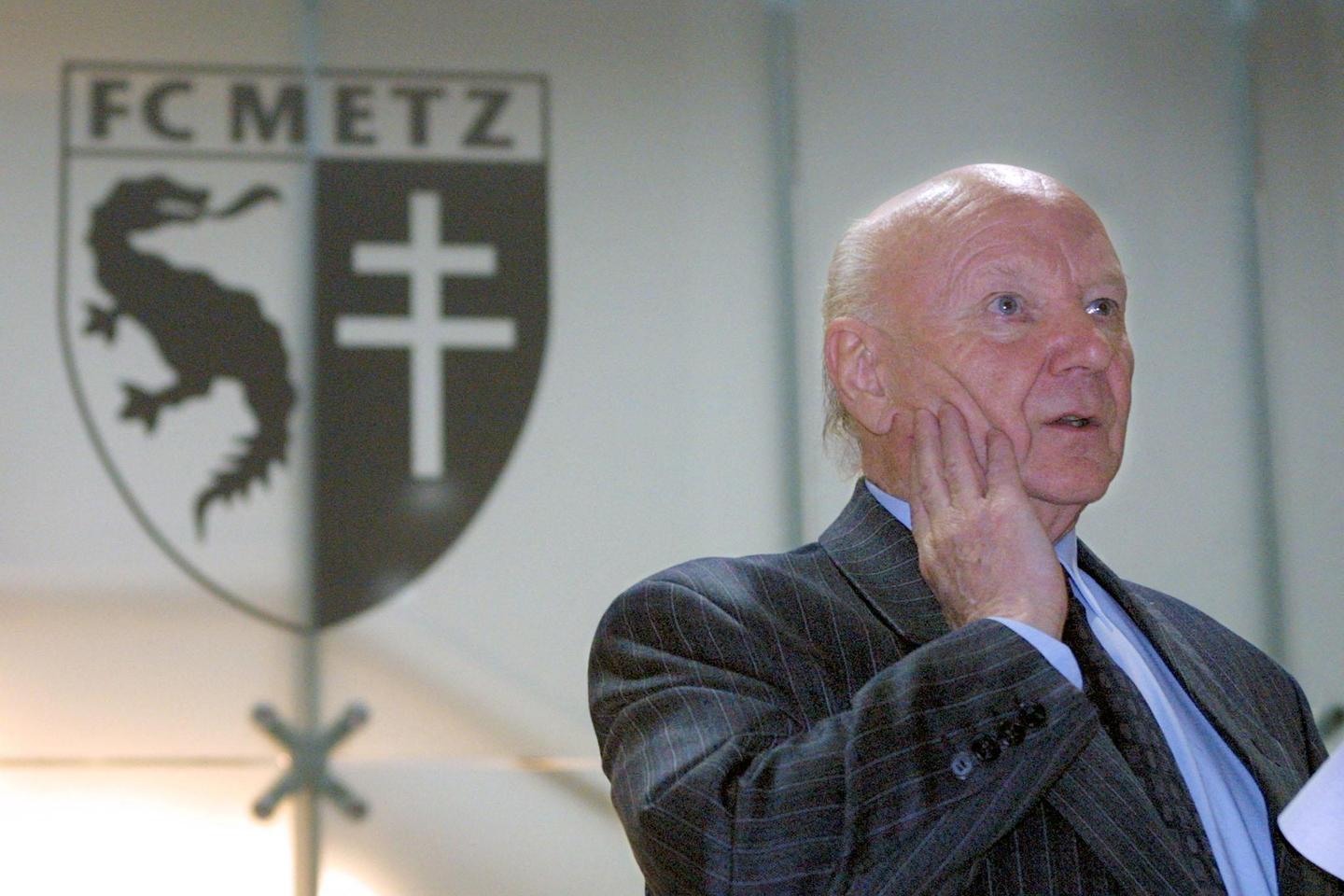
Later that day, former teammate and club legend Robert Pirès helped organise a tribute at the Stade Saint‑Symphorien, the very ground where Molinari had watched countless matches. The event was a fitting homage, a gathering of fans, players, and staff who shared stories of the man who had guided them for 37 years. The stadium, bathed in the club’s colors, rang with the echoes of his legacy.
Today, FC Metz stands on the foundations laid by Molinari. The club’s modern facilities, its competitive spirit, and its community‑first philosophy are all testaments to his vision. While the loss is deeply felt, the legacy he left behind continues to inspire new generations of players and supporters alike. In a world that often forgets the past, Molinari’s story reminds us that the heart of a club is built not just on trophies, but on the people who give it life.