In the neighborhood of Jahangirpuri in West Delhi, a digital readout flickered on a monitor: 417. For someone new to air quality indices, the number is a shock. Forty-one-seven is deep inside that red zone. It signals a day where the air outside is not just uncomfortable, but a documented health hazard.
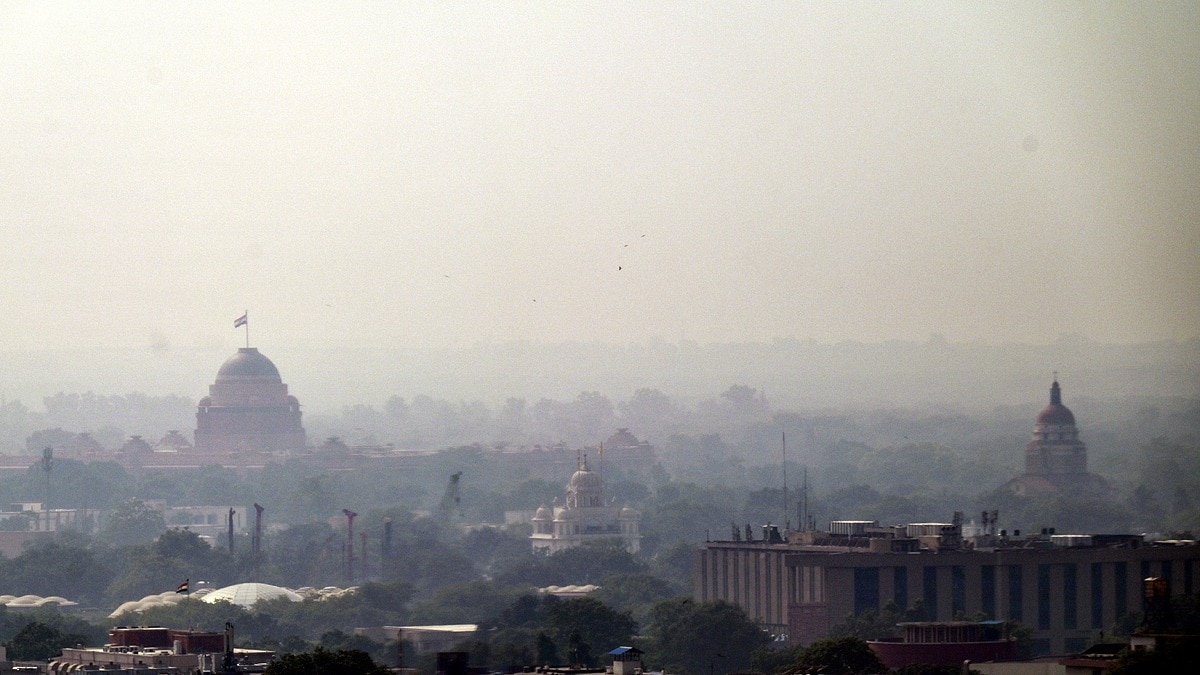
The spike in Jahangirpuri was not an isolated glitch. On Monday morning, the average Air Quality Index for the city of New Delhi stood at 310. This reading represents a sharp reversal in recent trends. Just before this shift, rain had settled over the region, which typically flushes suspended particles from the atmosphere and offers a temporary respite. As the skies cleared and temperatures dropped, the reprieve ended. The air quality deteriorated rapidly, dragging the city average down into dangerous territory and undoing the brief improvement the rain had provided.

You can spot Himalayas from New Delhi as city is ranked first globally in AQI during Diwali This is India’s air quality story https://t.co/hYIHPosyzJ
This sudden drop in air quality coincided with the start of a mandatory enforcement period. Winter pollution controls were formally imposed in Delhi on November 1, establishing a regulatory window that will last until February 28. These controls are a critical component of the state government's strategy to manage the predictable spike in smog that arrives with the cold, when temperature inversions trap pollutants close to the ground. The new measures are not just guidelines; they carry immediate financial and operational consequences for vehicles entering the city and for industries operating within it.
If a plate belongs to a vehicle that is not updated for the current winter season, or has failed its PUCC, the camera system triggers an alert.
The financial teeth of these new rules were immediately evident. On the very first day of the winter pollution control regime, authorities levied fines totaling ₹68.4 lakh—roughly six hundred and eighty-four thousand dollars. A total of 1,539 vehicles were physically turned back at entry points, denied access to the city core because they failed to meet the required standards. Additionally, 566 specific penalties were issued for violations of PUCC, the Pollution Under Control Certificate. The fines are calculated per vehicle and per violation, meaning the 68.4 lakh figure is the initial sum of individual infractions aggregated on a single day.

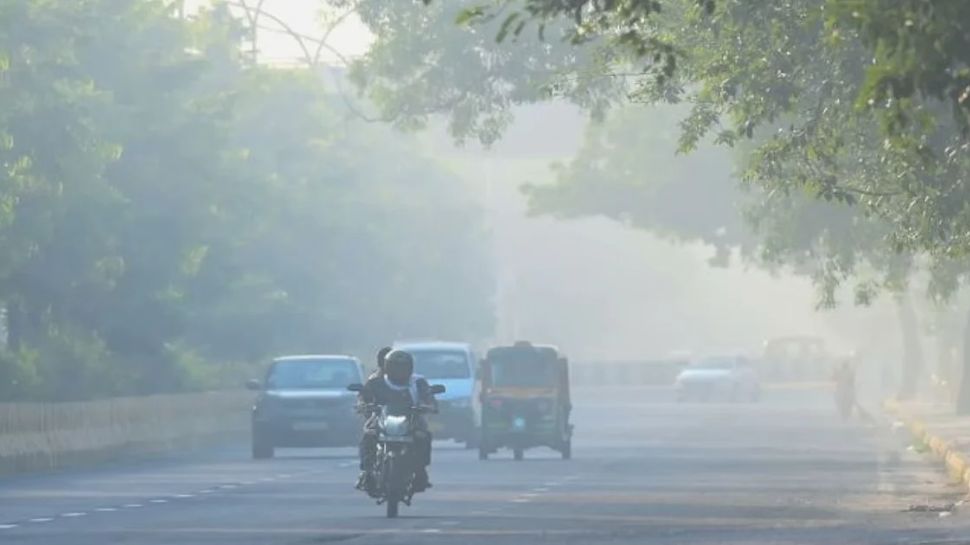
#WATCH | Delhi | Visibility in the national capital is affected as a layer of dense fog engulfs the city. (Visuals from Dhaula Kuan) https://t.co/d5LVjVKx7v
How does a city police thousands of vehicles so quickly? The answer lies in automated surveillance. Authorities are now monitoring compliance using automated number-plate recognition cameras. These systems scan incoming traffic, instantly checking the license plate against databases of registered and compliant vehicles. If a plate belongs to a vehicle that is not updated for the current winter season, or has failed its PUCC, the camera system triggers an alert. This allows enforcement officers to intercept and penalize violators with far greater speed and consistency than manual checking ever could. The shift to automated systems means that compliance is no longer a spot check; it is a continuous digital audit.
Adding to the complexity of the situation is the weather. The minimum temperature in Delhi dropped to 18°C. For a region that typically experiences this time of year with milder lows, this is a notable shift. The reading is 1.9°C below seasonal averages. Cooler air creates conditions where pollution is more concentrated and more dangerous.

Delhi CM Rekha Gupta has delivered on her promises from Day 1. From sincere efforts to clean the Yamuna, tackling air pollution with urgency, to giving Sanatani festivals their due respect, her work is being felt on the ground and Delhiites are responding with trust and praise. https://t.co/hunLHHQUlz
While vehicle emissions are a major source of pollution, the background air quality is being worsened by a different source: agriculture. Delhi's air quality had already reached a reading that falls in the "very poor" category. This elevated baseline is driven in part by farm fires. As farmers in surrounding regions burn crop residue, a continuous plume of smoke drifts toward the city. These fires are a significant contributor that city-level controls must address.
All of this unfolding drama in air quality and enforcement lands in the middle of a specific cultural period: the lead-up to Diwali. Diwali is the Festival of Lights, a celebration centered on fire—oil lamps, candles, and, controversially, fireworks. It is a time when the temptation to let off the most smoke is at its peak, just as the weather is at its coldest and the legal penalties for polluting are at their highest. The government is supportive of the new controls, framing them as necessary to ensure that the festive season does not turn into a medical emergency. For