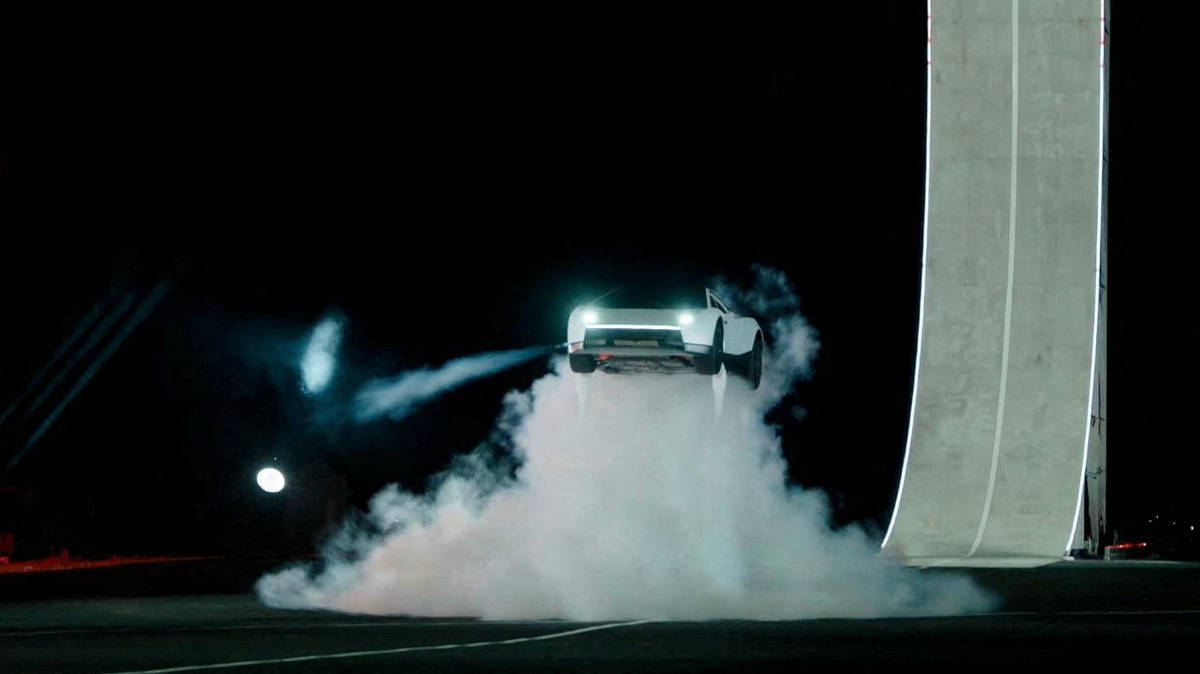
At a livestreamed event at a SpaceX facility in Texas, Tesla CEO Elon Musk unveiled a redesigned Roadster that he said could take to the skies. The new Roadster, Musk explained, was equipped with SpaceX-developed thrusters, enabling it to perform aerial maneuvers that seemed straight out of a sci-fi movie. With 10 nozzles and ultra-high-pressure air tanks, the car could theoretically take off and land vertically, hover, and even execute rolls and crazy gymnastics. 'Flying cars are real,' Musk declared, his enthusiasm palpable. He demonstrated the car's capabilities, showing it navigating steep inclines and leaping over obstacles, though the full extent of its flight capabilities remained untested during the event.
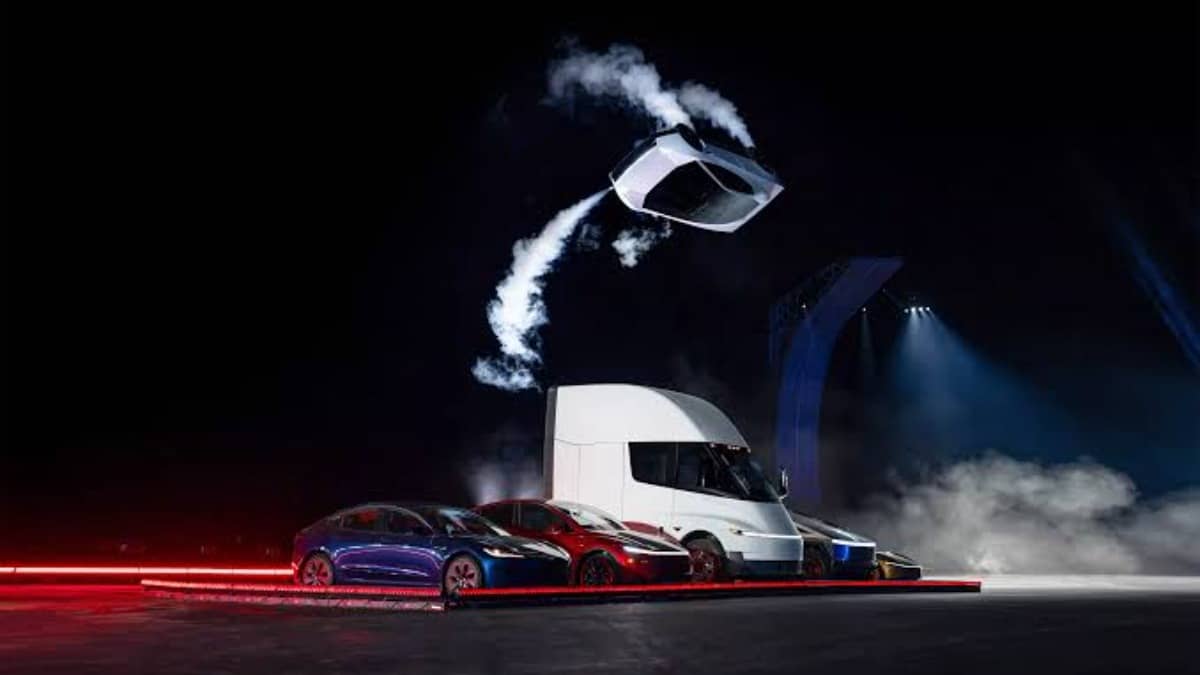
Beyond its aerial ambitions, the Roadster boasted jaw-dropping performance on the ground. Musk claimed it could accelerate from 0 to 60 mph in 0.81 seconds, a feat that, if true, would shatter records. The car's top speed was noted as 230 mph, and its design was described as both aggressive and aerodynamic. Tesla's chief designer, Lars Moravy, even quipped, 'This car really sucks. It could suck the chrome off a trailer hitch. It could suck a tennis ball through a hose pipe,' highlighting its powerful air-jet system.
Musk framed the Roadster as the culmination of a partnership between Tesla and SpaceX, two of his most ambitious ventures. 'You’re going to see what happens when you have a collaboration with the world’s best car company and the world’s best rocket company,' he said. The thrusters, adapted from SpaceX technology, were a key component of the car's design, though critics questioned the practicality of combining aerospace and automotive engineering in this way.
The combination of the two would be a suboptimal aircraft and suboptimal ground vehicle, and would also be extremely expensive.

Tesla unveiled a redesigned Roadster equipped with thrusters, developed in collaboration with CEO Elon Musk's rocket company SpaceX, showing it driving upside down on a ramp using a suction system and turning in the air and landing using in-built thrusters. https://t.co/LkViynsfya
While tech enthusiasts and Tesla fans marveled at the Roadster's potential, skeptics were quick to voice their doubts. Gene Munster, a prominent analyst, described the event as 'an engineering flex with no commercial value beyond embarrassing traditional car makers.' Roger Connor, an aerospace expert, added, 'For air vehicles, vertical take-off and landing is extremely desirable, but for ground vehicles, such features are undesirable. The combination of the two would be a suboptimal aircraft and suboptimal ground vehicle, and would also be extremely expensive.'
Marques Brownlee, a tech reviewer, summed up the disbelief of many: 'This is a prank, right?' Yet, Musk remained undeterred, acknowledging the challenges but insisting that the project was worth pursuing. 'There is no guarantee of success,' he admitted. 'I mean, it may do what we claim it can do, but even if it doesn’t, we are at a safe distance.'
The financial implications of the Roadster were a significant point of contention. Musk himself downplayed its importance to Tesla's bottom line, calling it a 'small potato situation' that wouldn't 'move the needle in a major way financially.' The base price was quoted at $200,000, but with the added technology, the final cost could be much higher. Morningstar analyst Seth Goldstein noted that while the Roadster was a fascinating experiment, its impact on Tesla's core business remained uncertain.

اول نهار ديالي ب Tesla Roadster https://t.co/exkgV1MjPb
Production is planned to start in 2028, giving Tesla ample time to refine the design and address technical challenges. Whether it will live up to Musk's bold claims or remain a high-profile experiment is yet to be seen. For now, the Roadster stands as a symbol of Musk's relentless pursuit of innovation, a testament to his belief that the future of transportation knows no bounds.
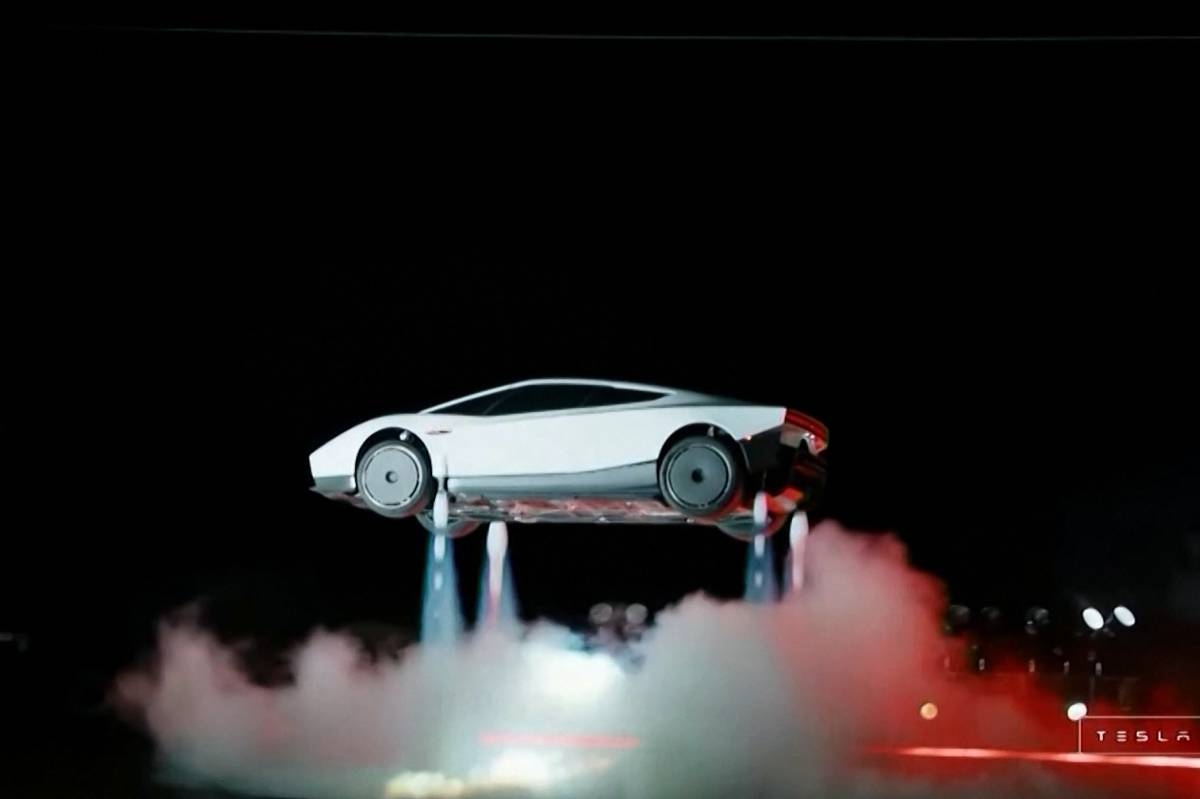
As the event concluded, Musk left the audience with a final promise: 'You won't be able to believe what your eyes have seen.' Whether that promise translates into a revolution in personal transportation or remains a footnote in automotive history, only time will tell.