Rehan Vadra, just 24, had spent the last six months behind a camera, capturing the raw energy of student and youth movements that roiled Delhi. His third solo exhibition, No Idea Is Final, was slated to open on 21 October 2026 at the historic Bikaner House in New Delhi. The gallery, a former royal residence now a cultural hub, had already hosted a handful of high‑profile shows, and the anticipation was palpable.
The show boasted more than 100 pieces—wildlife studies, abstract canvases, and a striking series of street photographs that documented protests across the city. For Rehan, the collection was a visual diary of a generation demanding change. He had chosen the title No Idea Is Final to underscore the fluidity of political narratives and the necessity of questioning authority.
Just hours before the opening, the Bikaner House administration instructed the removal of approximately 74 photographs that depicted recent student and youth protests. The decision was described by the gallery’s staff as a forced action, and Rehan received a call that “there is a problem with one image and that I am against the policy.” He later said, “I received a call that there is a problem with one image and that I am against the policy.” The images were taken down, leaving the exhibition visibly altered.
” She added that she was “always proud of you” and urged Rehan to stand for truth.
The removal was not an isolated incident. Whether the influence came from political allies or bureaucratic channels, the outcome was the same: a curated narrative that omitted the most provocative moments of the protests.
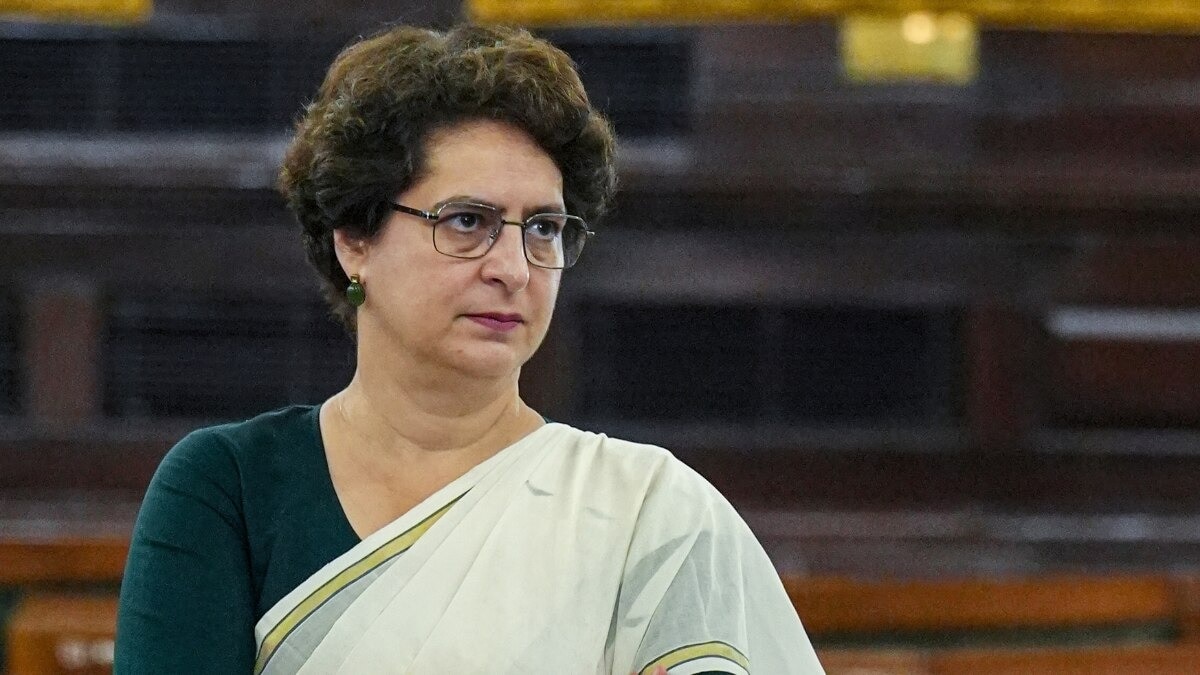
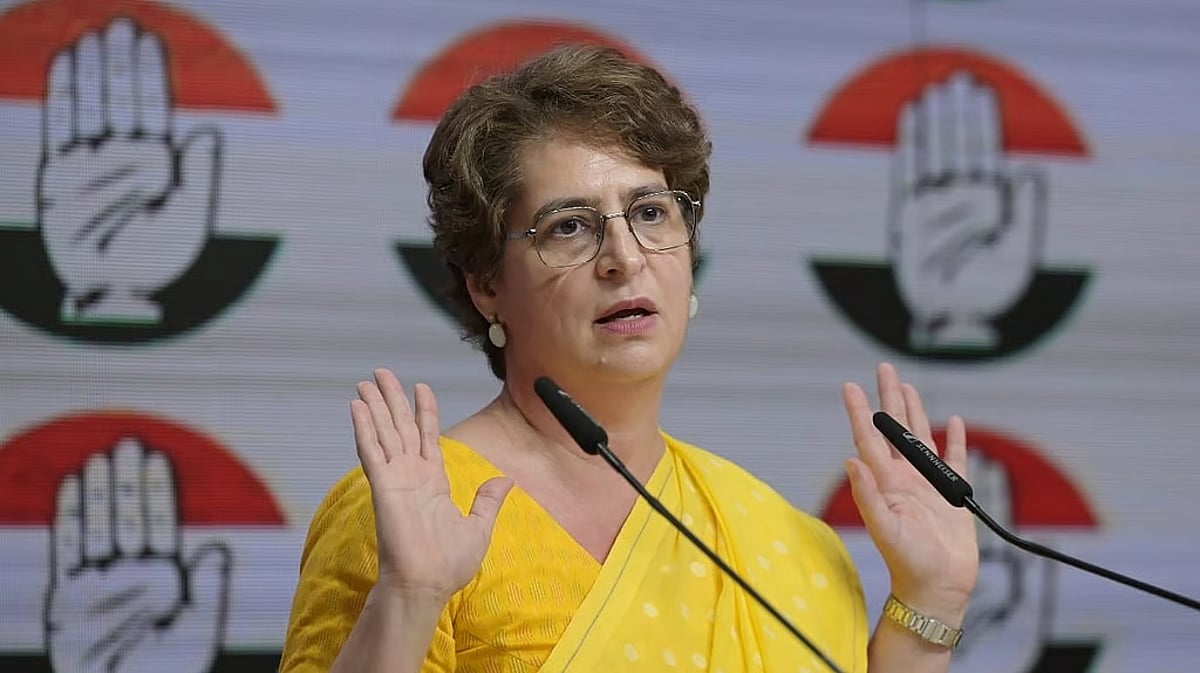
In the wake of the censorship, Priyanka Gandhi Vadra—Member of Parliament and a senior Congress leader—took to X to defend her son’s artistic vision. She wrote, “Be with the truth, every beautiful thing will find its way.” She added that she was “always proud of you” and urged Rehan to stand for truth. Priyanka’s message was a clear rebuke of the fear that, in her words, “when someone with power becomes afraid of the expression of another, he doesn’t know it, but he has already lost the very power he is trying to protect.”
The incident quickly became a flashpoint for discussions about censorship and democratic expression. Critics argued that the removal of the protest images was a direct affront to the voices of Delhi’s youth, while supporters of the gallery’s decision claimed it was a matter of policy compliance. The debate highlighted a broader tension in India: the struggle between artistic freedom and the political authorities that often seek to shape public narratives.
No Idea Is Final continued to run at Bikaner House despite the controversy, but the story lingered in the public consciousness. It served as a reminder that even in spaces dedicated to culture, the line between art and politics can blur sharply. For Rehan, the experience was a harsh lesson in the realities of creating art that confronts power. For Priyanka, it was an opportunity to champion her son’s courage and to call attention to a perceived erosion of democratic values across the country.
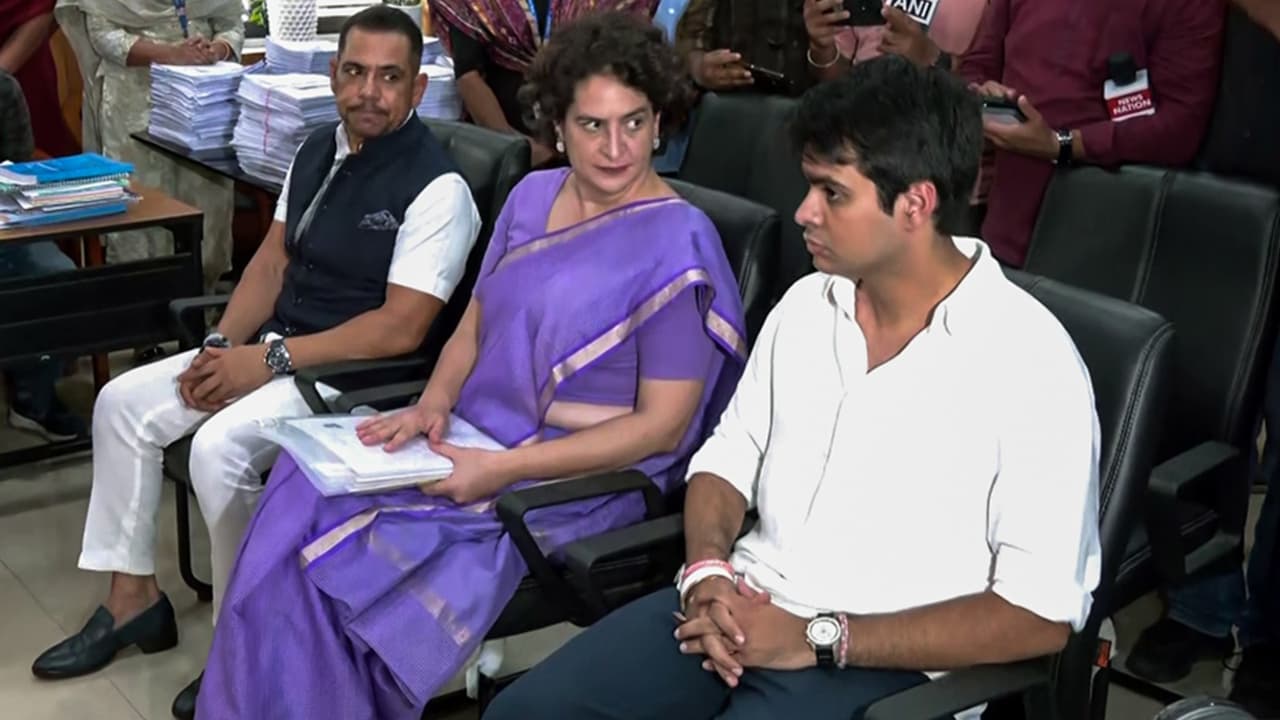
The incident underscores how a single act of censorship can ripple through families, institutions, and the broader political landscape, forcing a reckoning with what it means to speak truth in a society where power often dictates the permissible limits of expression.