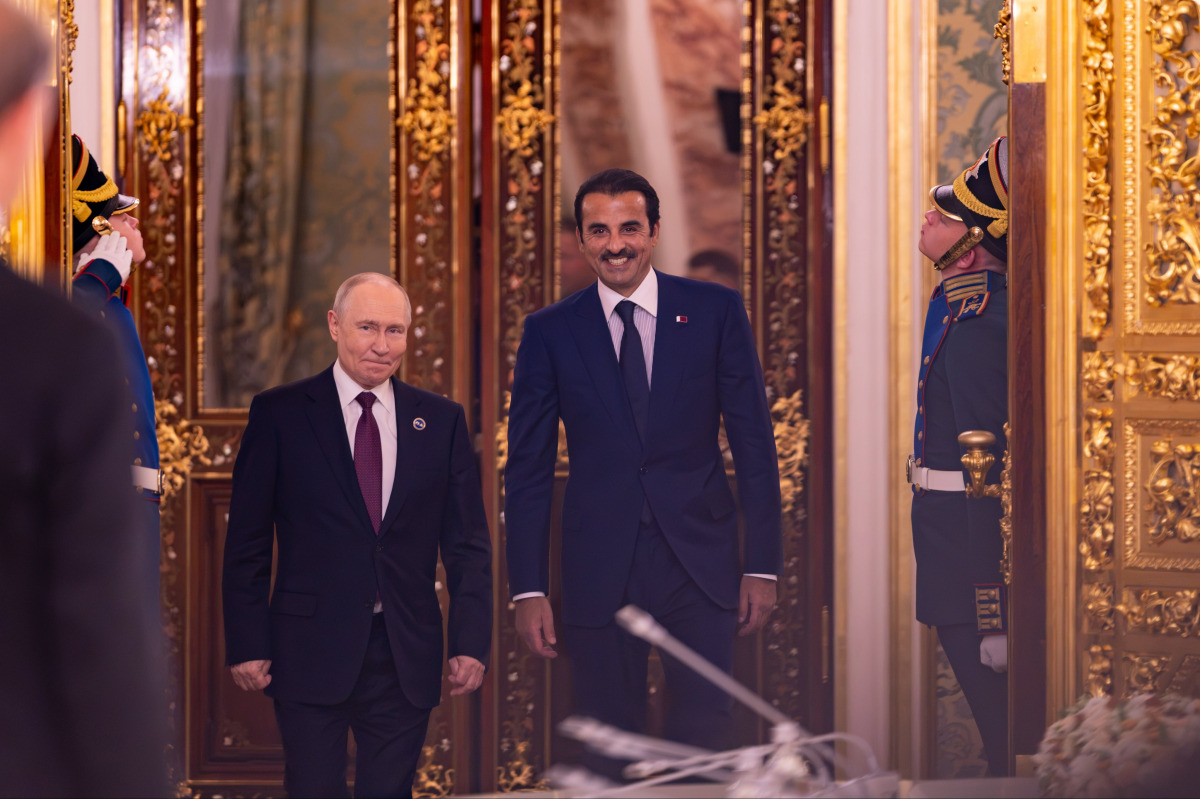
On October 28, 2026, the diplomatic landscape shifted slightly as His Highness the Amir of Qatar, Sheikh Tamim bin Hamad Al Thani, arrived in Moscow. The occasion was the Gas Exporting Countries Forum (GECF) Summit, a gathering of nations that play a pivotal role in the global energy market. While the summit itself focused on the technical and economic realities of natural gas production and distribution, the most significant developments often occur away from the plenary sessions, in the quiet, high-stakes atmosphere of bilateral meetings.
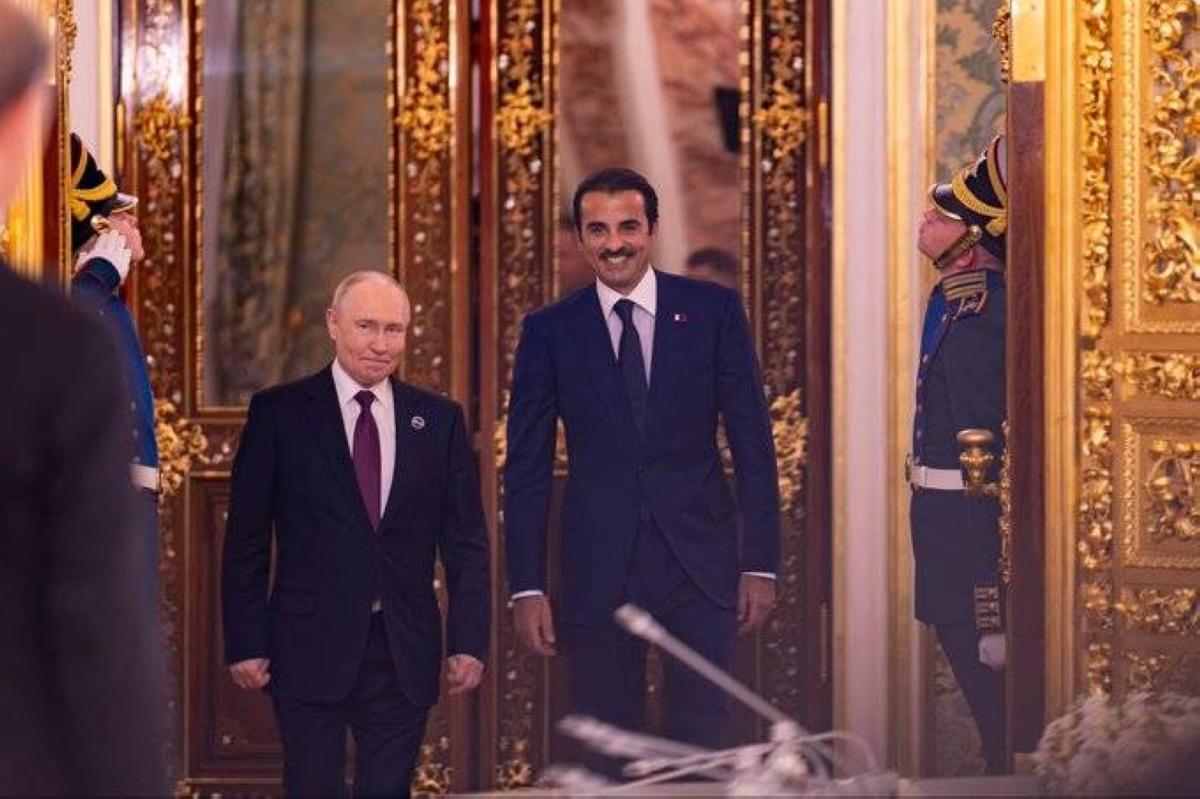
It was here, on the sidelines of the summit, that Sheikh Tamim bin Hamad Al Thani met with Russian President Vladimir Putin. For a newcomer to international relations, such a meeting might seem like a routine diplomatic formality, but in the context of global energy politics, it represents a deliberate effort to align the interests of two major players. The Amir expressed his pleasure at the encounter, marking a moment of personal diplomacy that serves as the foundation for broader state-level cooperation.
At the heart of the conversation between the two leaders was the concept of a bilateral partnership—a formal agreement or ongoing relationship between two countries designed to facilitate trade, security, and political alignment. For Qatar and Russia, this partnership is not merely about energy; it is about creating a framework for coordination that extends into the international arena. By meeting in Moscow, both leaders signaled that their countries are looking to expand the scope of their collaboration beyond the immediate pressures of the energy market.
Perhaps the most critical element of the discussions held on October 28 was the focus on regional and international stability.
This expansion is rooted in the pursuit of shared interests. In the language of diplomacy, 'shared interests' is a broad term that encompasses everything from economic growth and market stability to the geopolitical influence that both nations wield in their respective regions. By strengthening their coordination, Qatar and Russia aim to ensure that their actions on the global stage are mutually reinforcing rather than contradictory.

HH the Amir added that Qatar and Russia seek to further expand their bilateral partnership and strengthen coordination in pursuit of their shared interests and to promote security and stability. Read more: https://t.co/mib2YZm3v0
Perhaps the most critical element of the discussions held on October 28 was the focus on regional and international stability. In a world defined by shifting alliances and volatile security environments, both Qatar and Russia occupy positions of significant influence. Qatar, with its role as a major liquefied natural gas exporter, and Russia, with its expansive energy infrastructure and regional reach, have a vested interest in preventing the kind of instability that disrupts trade and threatens diplomatic progress.
As the meeting concluded, the commitment from both sides was clear: they intend to continue working together to promote security. This is not a static agreement but an ongoing process of consultation. By aligning their efforts, the Amir and President Putin are attempting to build a buffer against the unpredictability of the current international climate. For the observer, this meeting serves as a reminder that even as the world changes, the fundamental work of diplomacy—the building of relationships and the search for common ground—remains the primary tool for nations seeking to protect their interests and project their influence.