In October 2026 the White House signaled a shift in its approach to Russia. On the ninth of the month President Trump reached an agreement with President Putin concerning Russian diesel exports. A week later, on the sixteenth, the administration announced that the implementation of sanctions against Russia would be delayed. By the eighteenth the delay was confirmed, with the president himself stating that sanctions were being postponed and the measures were being eased. The timing of these actions placed them squarely in the middle of a broader discussion about how to respond to Russia’s actions while protecting the stability of global energy supplies.

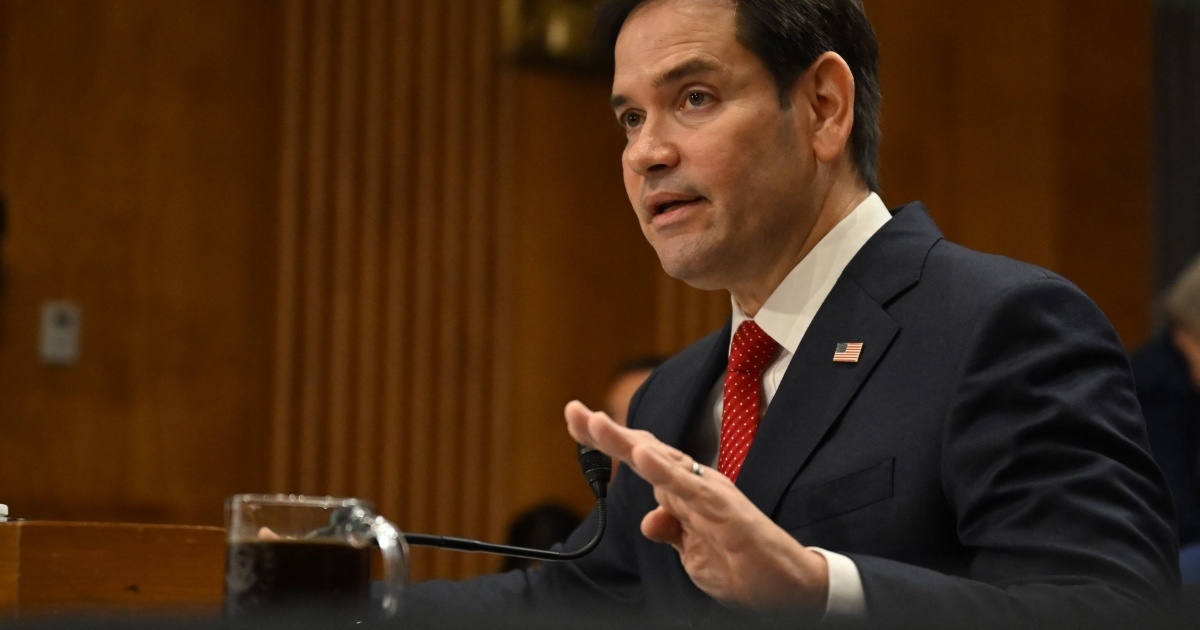
Secretary of State Marco Rubio framed the delay as a necessary step to analyse the economic consequences of the sanctions. He said that Trump had signed a directive that foresaw the partial suspension of measures already in place, explaining that the president wanted to weigh the potential fallout before moving forward. Rubio emphasized that the decision was not taken lightly; it came after a review of how the sanctions might affect not only Russia but also the countries that rely on Russian energy. The secretary’s comments made clear that the pause was intended to give policymakers time to understand the full scope of the impact.
Rubio pointed out that the sanctions under discussion would affect nations that purchase Russian energy, specifically mentioning India as a country that has voluntarily diversified its energy sources yet still receives a significant portion of its supply from Russia. He noted that changing energy procurement patterns quickly is difficult for such allies, and that the United States values its partnership with India. The secretary argued that any assessment of the sanctions must consider how they would ripple through the global energy market, affecting prices and availability for countries that are not direct targets of the policy but are nonetheless intertwined with Russian fuel flows.
The delay was set for sixty days, a period during which the administration said it would assess the impact on the global energy market and on other countries.
The delay was set for sixty days, a period during which the administration said it would assess the impact on the global energy market and on other countries. Rubio dismissed criticism that easing sanctions on Russian diesel amounted to a gift to President Putin, asserting that Russia would have sold the fuel regardless of the sanctions decision. By framing the pause as a analytical exercise rather than a concession, the administration sought to separate the timing of the review from any perception of leniency.

'Hard To Pivot In A Day': Marco Rubio on India diversifying energy imports from Russia https://t.co/db1jrf47UZ
The backdrop to the sanctions review included the ongoing war in Ukraine, which has continued to disrupt energy markets and heighten geopolitical tensions. Rubio acknowledged that the situation is complicated by these factors, noting that any policy must navigate the interplay between applying pressure on Russia and avoiding unnecessary shocks to the worldwide energy system. The administration’s stated aim was to balance the need to hold Russia accountable with the imperative to keep global energy supplies stable, a balance that Rubio said required careful weighing of all arguments for and against the sanctions.
The outcome of that analysis will determine whether the measures move forward, are adjusted, or are further postponed. Rubio’s comments indicate that the decision will be guided by a desire to understand the economic impact on countries like India and the broader energy market, while also considering the ongoing conflict in Ukraine. The current stance reflects an effort to calibrate a response that seeks both accountability and market stability, with the next steps contingent on the conclusions drawn during the review period.