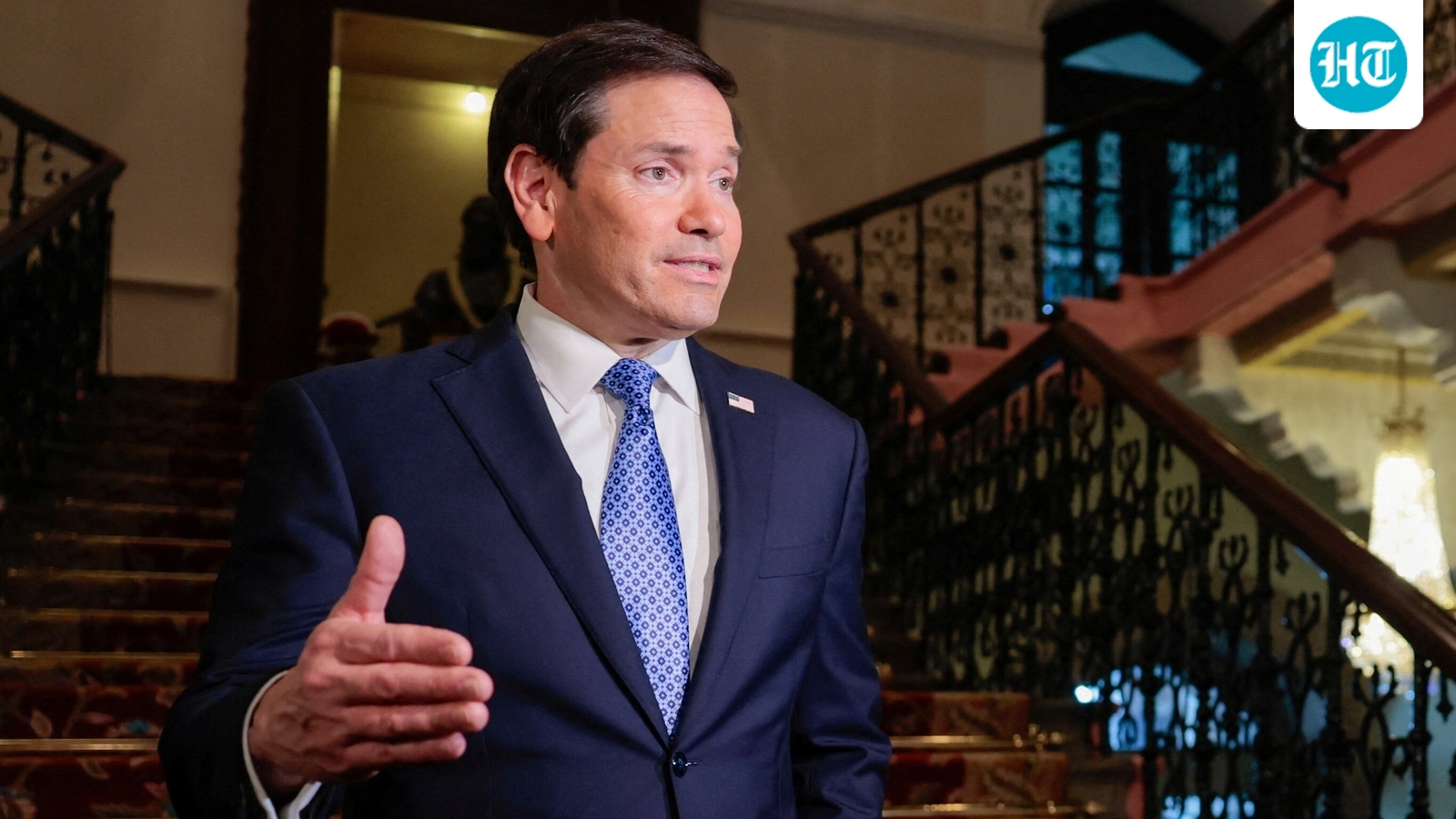
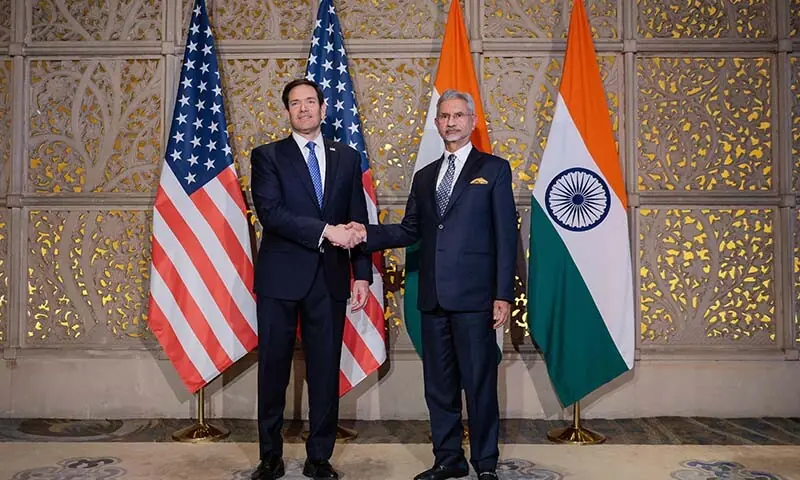
When US Secretary of State Marco Rubio arrived in India on October 20, 2026, the atmosphere was charged with more than just the standard formalities of high-level diplomacy. This visit was not merely about defense cooperation or traditional statecraft; it was an exploration of a fundamental shift in the global energy landscape. At the heart of the discussion lies a delicate balancing act for New Delhi: the desire to diversify its energy portfolio in a world where geopolitical volatility can turn supply lines into weapons.
India has long navigated a complex path regarding its energy security, particularly as it continues to purchase Russian oil. During his visit, Rubio acknowledged the wisdom of India's current trajectory. "I think what India has expressed repeatedly is its desire to diversify its energy portfolio, which is a smart thing to do," Rubio remarked, framing the Indian government's pursuit of variety as a prudent move for long-term stability.
One of the most striking elements of Rubio’s visit was his focus on a specific, technical synergy between two distant nations: India and Venezuela. While Venezuela has faced significant international scrutiny, its vast oil reserves represent a massive potential lever for global supply. Rubio pointed toward a specific capability held by Indian industry—the ability to process heavy crude oil.
What makes this potential partnership a focus of the visit is the potential for increased oil extraction in Venezuela combined with India's refining capacity.
Heavy crude is often more difficult and complex to refine than lighter varieties, requiring sophisticated infrastructure and specialized expertise. Yet, Rubio expressed deep confidence in India's industrial backbone. "India has the capability to refine heavy crude. They've done so in the past, and I think as more and more Venezuelan oil comes online, it's something they can do," he noted. This isn't just a theoretical possibility; Indian energy companies, including Reliance Industries, possess the capacity to refine this heavy Venezuelan crude, a move that could serve to stabilize global oil supplies.

BIG BREAKING 🚨 US Secretary of State Rubio seeks India’s (Reliance’s) help to refine more Venezuelan crude to solve US’ diesel crisis — Before his talks with Foreign Minister Jaishankar at Taj Palace Hotel in Mumbai, Rubio calls India a “refining superpower”. "We'll talk with Reliance about refining more Venezuelan crude." https://t.co/YeIAussw0o
However, the path from a diplomatic idea to a flowing pipeline is fraught with legal and political obstacles. The prospect of Indian firms refining Venezuelan oil brings the shadow of international sanctions into sharp focus. The Maduro regime in Venezuela remains under significant pressure, and any movement in this sector must navigate a complex web of existing restrictions.
Rubio did not shy away from these complexities. He noted that while New Delhi appears willing to move forward, there are significant hurdles to clear. "There might be a few impediments that stand in the way in terms of sanctions and so forth that we'll have to work through pre-existing sanctions on the Maduro regime," he explained. For the US and India to realize this energy bridge, they must find a way to reconcile the need for energy security with the legal realities of international sanctions.
What makes this potential partnership a focus of the visit is the potential for increased oil extraction in Venezuela combined with India's refining capacity. The goal is to transform India's role into a global refining superpower, capable of taking heavy, difficult-to-process oil and turning it into the fuel that powers the modern world.

During his visit to Jamnagar, a critical hub for India's refining capacity, the conversation turned toward how these assets could be leveraged. The US is exploring how it can assist India in meeting its energy needs while supporting the country's role as a refining hub.

BOOM 💥 India Is The Refining Superpower In The World - US State Sec Marco Rubio They have the capability to refine heavy crude. India is a refining superpower. They already have oil concessions in Venezuela Fyi, we talked about this 7 months ago, that Reliance is going to process Venezuelan Oil and deal with USA in refining. #RelianceIndustries #MarcoRubio #IndiaUSRelations
While the energy discussion dominated the technical talks, it is part of a much larger, more comprehensive effort to bind the two economies together. Rubio’s visit coincided with intense negotiations regarding a bilateral trade agreement between India and the United States. This deal is intended to resolve long-standing trade disputes and create a more predictable environment for commerce between the two democracies.
Rubio expressed a high degree of optimism regarding the progress of these negotiations. When asked about the status of the deal, he remarked, "I would say we're about as close as you can be without having an executed agreement." This sentiment was echoed by Indian officials, with Piyush Goyal stating, "We're very, very close." The trade deal serves as the scaffolding for the energy and defense cooperation that Rubio highlighted as central to the relationship.
To understand why the US is so invested in India's refining capacity and its energy diversification, one must look at the broader concept of security. For Rubio, the conversation about oil is not just about economics or market prices; it is about the stability of nations. He underscored this connection clearly, stating that "energy is related to national security."
By helping India meet its energy needs through diversified sources, the US is not just facilitating trade; it is participating in a strategic effort to ensure that one of the world's most important emerging economies remains resilient against external shocks. The interplay between Indian refining expertise, Venezuelan resources, and US diplomatic support forms a complex, three-way equation aimed at global energy stability.