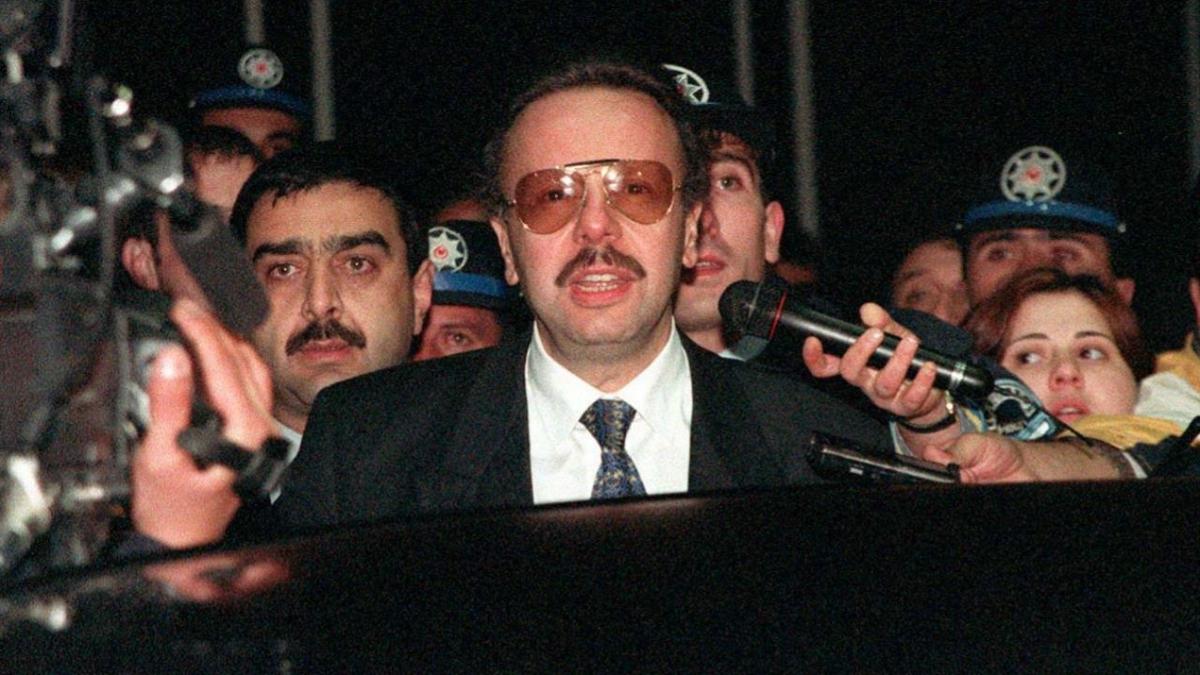
The death of a public figure often leaves behind a vacuum of answers, but in the case of former Transport Minister Arif Ahmet Denizolgun, that vacuum has been filled with a courtroom battle. The legal system is now tasked with untangling the circumstances surrounding his passing, a process that reached a critical juncture on October 27, 2026. On this day, the halls of the Bakırköy 6. Asliye Ceza Mahkemesi became the stage for a confrontation between official records and the word of a man who was present when the tragedy occurred: Dr. Nurettin Demirkol.
At the heart of the proceedings is the charge of 'false testimony' leveled against Dr. Demirkol. The Bakırköy Cumhuriyet Başsavcılığı, the office responsible for the prosecution, has built its case on the premise that the doctor did not merely witness an event, but actively misrepresented the reality of what he saw. For those unfamiliar with the gravity of such a charge, false testimony in a death investigation is not a minor administrative error; it is a fundamental challenge to the integrity of the judicial process, potentially obscuring the truth of how a former high-ranking official met his end.
When Dr. Demirkol appeared before the court on October 27, 2026, he sought to dismantle the prosecution’s narrative from the outset. His defense was built on two primary pillars: a denial of his professional relationship with the deceased and a denial of the physical evidence reported by others. Demirkol maintained that he was not, as the indictment suggests, the personal physician to Denizolgun. By distancing himself from this professional designation, he aimed to redefine his role at the scene from that of an attending medical expert to an incidental observer.
This version of events, however, stands in direct opposition to the findings of the expert witness, a doctor tasked with reviewing the forensic reality of the scene.
The most jarring aspect of the trial lies in the starkly different accounts of the scene. Dr. Demirkol testified that upon arriving at the location of the death, he did not observe blood on the victim. He offered a specific, limited account, suggesting that he noticed only a small amount of blood leaking from the right side of the victim’s mouth, which had slightly dampened the pillow. This version of events, however, stands in direct opposition to the findings of the expert witness, a doctor tasked with reviewing the forensic reality of the scene. The expert’s report paints a much more graphic picture: the victim’s face was covered in blood, and at the time of the expert's assessment, blood was still actively flowing from the mouth.
As the hearing progressed, the court faced a procedural test regarding the nature of the trial itself. A request was made to conduct the proceedings behind closed doors, away from the eyes of the public and the press. The court, however, rejected this motion. By choosing to keep the doors open, the judiciary signaled that the public interest in the death of a former Transport Minister outweighs the desire for privacy in this specific instance, ensuring that the discrepancies in the testimonies remain a matter of public record.
The indictment against Demirkol is not a collection of vague suspicions but a document built on the friction between his claims and the established facts. The prosecution asserts that Demirkol was indeed the personal doctor to the late minister, a claim that contradicts his own testimony. When a witness’s account of physical evidence—such as the presence and volume of blood—is fundamentally at odds with the expert medical analysis, the court is left to determine whether these are simple errors of perception or a deliberate attempt to mislead the investigation.
As of October 27, 2026, the trial is in its infancy, yet the lines of conflict are already clearly drawn. The case remains a complex puzzle where the stakes are the reputation of a deceased official and the accountability of those who were present in his final moments. With the court now actively weighing these conflicting accounts, the focus shifts to how the evidence will hold up under the scrutiny of the bench, and whether the truth of Denizolgun’s death can be reconciled with the testimony provided by the man who stood by his side.