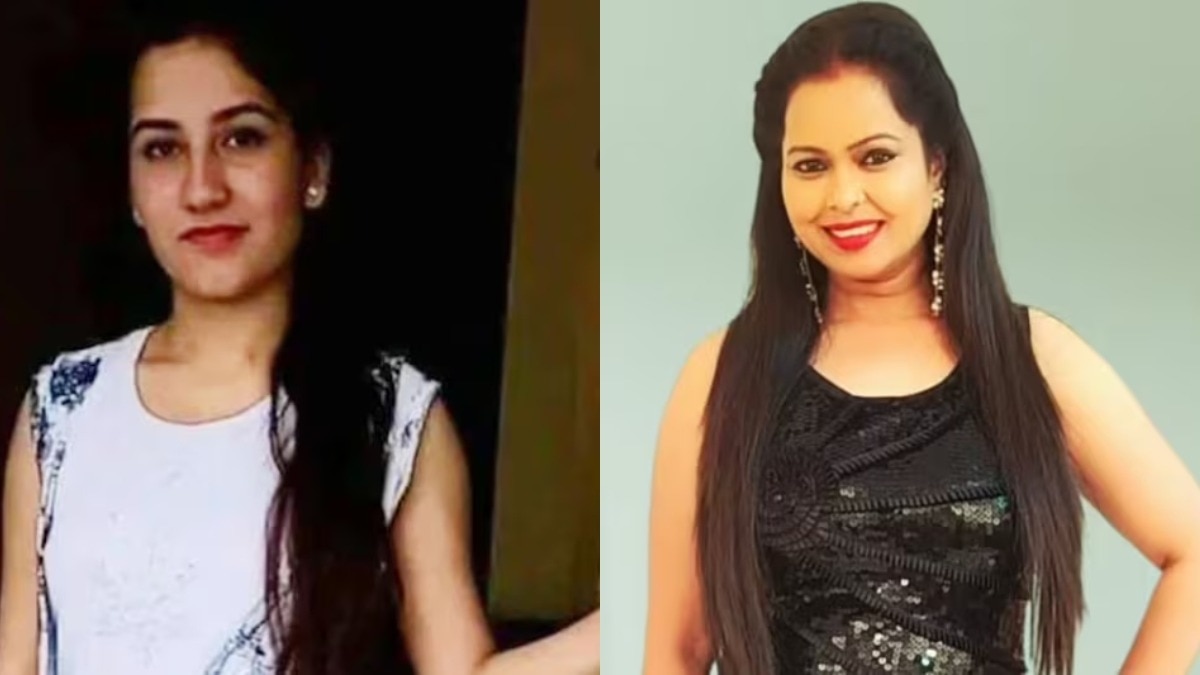
In the sterile, high-stakes environment of a courtroom in India, the concept of truth is often tested not by words alone, but by machines. On October 23, 2026, the CBI court issued a summons that signals a pivotal moment in the investigation into the Ankita murder case. Urmi Sanavara, the wife of Suraj Rao, a man whose name has recently surfaced in connection with the crime, has been ordered to appear for a polygraph test and a narco analysis. This is not merely a procedural step; it is a high-stakes interrogation designed to peel back layers of testimony and testimony that may or may not be reliable.

The Ankita murder case has been a magnet for political attention, drawing in the parents of the victim and high-profile political leaders. The Central Bureau of Investigation (CBI), tasked with unraveling the complexities of the crime, is now turning to forensic science to bridge the gap between what is said and what is true. Urmi Sanavara, standing at the center of this storm, is about to undergo two of the most controversial tools in modern criminal investigation. Her appearance on October 23, 2026, is the culmination of a legal process that has been meticulously constructed to ensure that the information she provides is, in the eyes of the law, voluntary and untainted.
To understand the gravity of this moment, one must first understand what is about to happen to Urmi Sanavara. The narco analysis, or truth serum test, is a procedure where a subject is administered a mild sedative to lower their inhibitions and potentially access memories that are otherwise repressed. The polygraph, or lie detector, measures physiological responses—such as heart rate, blood pressure, and respiration—while the subject answers a series of questions. Together, these tests are intended to create a profile of the subject's psychological and physiological state, offering investigators a window into their truthfulness.
This legal framework is designed to protect her rights while still allowing the CBI to pursue the truth.
However, the use of these tools is not without controversy. Critics argue that the results are not definitive proof of guilt or innocence, but rather an indicator of stress or anxiety that can be manipulated. The court, aware of these nuances, has emphasized a critical safeguard: Urmi Sanavara's consent must be voluntary, informed, and free from pressure. This legal framework is designed to protect her rights while still allowing the CBI to pursue the truth. The case, registered under RC0502026S0002, involves specific sections of the Bharatiya Nyaya Sanhita (BNS), including sections 238, 249, and 45, which outline the legal parameters for such investigations.
Urmi Sanavara is not just another suspect; she is the wife of Suraj Rao, a name that has been added to an audio recording that has become a focal point of the investigation. The audio recording has allegedly implicated Suraj Rao in the crime, and Urmi's testimony could be the key to verifying or refuting this claim. The political leaders and Ankita's parents have been vocal in their demands for a thorough investigation, and the CBI's decision to pursue Urmi for testing reflects the high stakes involved. The Ankita murder case has already seen its share of public drama, with political figures using the tragedy to score points and families of the victim seeking justice.
As the date of October 23, 2026, approaches, the pressure on Urmi Sanavara mounts. The CBI is expected to conduct further investigations, and her cooperation—or lack thereof—could significantly impact the direction of the case. The narco and polygraph tests are not a magic bullet; they are tools that must be used judiciously. The court's emphasis on voluntary consent is a reminder that the pursuit of truth must always be balanced with the protection of individual rights. In the end, the Ankita murder case will be judged not just by the results of these tests, but by the integrity of the process that led to them.