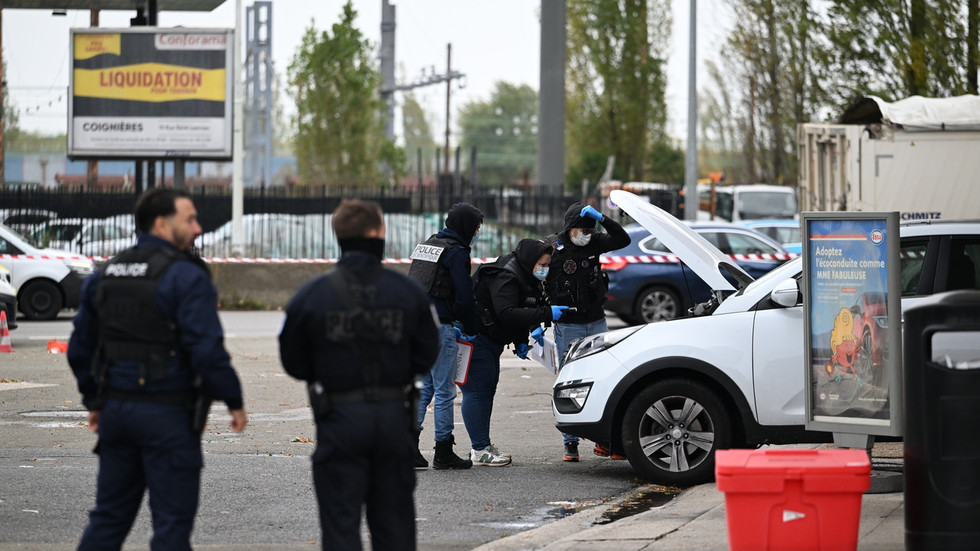
On the afternoon of October 23, 2026, the tranquil streets of Trappes, a working‑class suburb southwest of Paris, were ripped apart by a sudden burst of gunfire. Witnesses described a vehicle careening through the neighborhood, its occupants unleashing a hail of bullets before fleeing. The chaos left one man dead—26‑year‑old Pengo Bossio Wangi—and five others injured, among them a 12‑year‑old girl. The attack, later linked to a 39‑year‑old suspect identified only as Kevin T., sent shockwaves through a community already scarred by violence.
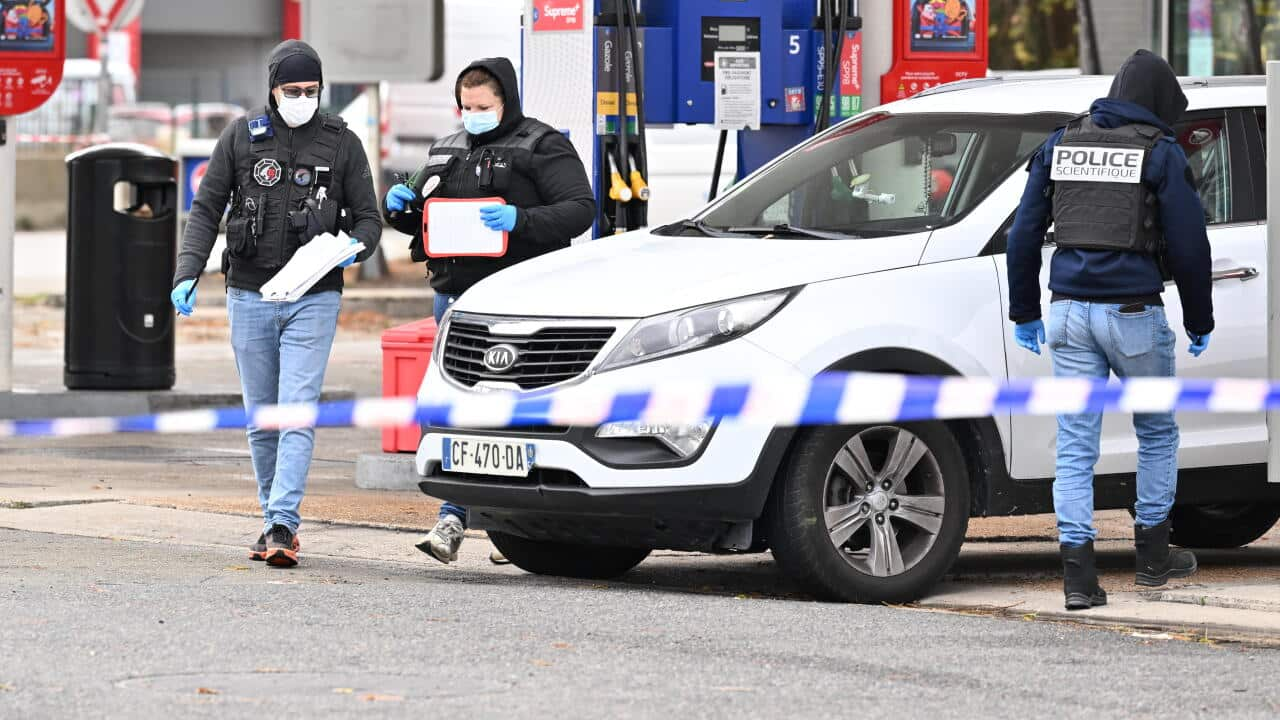
Police apprehended Kevin T. shortly after the shooting, finding a submachine gun and gas cylinders in his possession. The suspect’s age, 39, placed him squarely in the demographic of many previous perpetrators of violent crime in France, yet the motive that emerged set him apart. Authorities, working with the National Anti‑Terrorism Prosecutor’s Office, began treating the incident not merely as a criminal act but as a terrorist episode, a designation that would soon reverberate through the highest echelons of government.
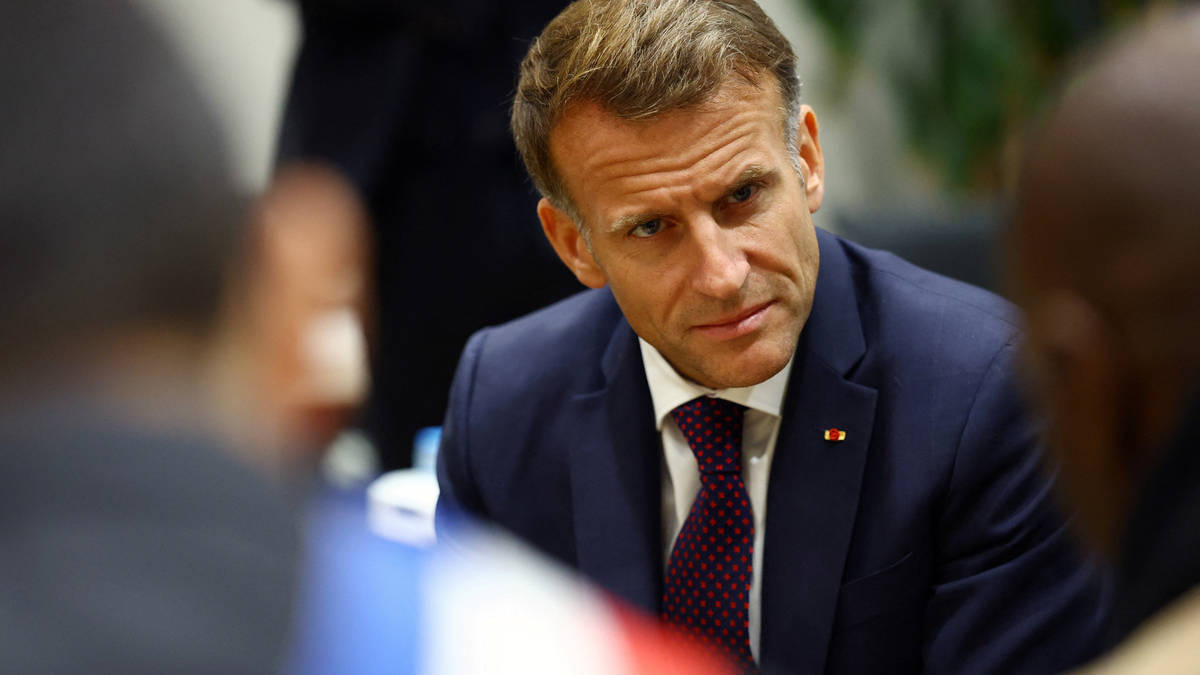
President Emmanuel Macron addressed the nation within hours of the attack, his tone solemn yet resolute. “What happened today marks a turning point for the Republic and our country. What happened today was a terrorist and racist attack,” he declared. By labeling the incident a “racist terror attack,” Macron signaled a departure from the usual framing of French terrorism, which has historically centered on Islamist extremism. He added, “This is the first time there has been a terrorist act aimed at killing our compatriots and our children for the colour of their skin or what their religion is thought to be.” The president’s words framed the tragedy as a watershed moment, suggesting a new chapter in the nation’s security narrative.
The case thus became a litmus test for how France’s legal system would handle future crimes rooted in racial or ethnic hatred.
Macron’s pronouncement sparked a flurry of responses across the political spectrum. While the president’s stance was unequivocal, other figures remained measured. Ali Rabeh, a senior official in the interior ministry, offered a neutral assessment, emphasizing the need for a thorough investigation before drawing broader conclusions. Similarly, Laurent Nuñez, a spokesperson for the Ministry of Justice, underscored the procedural aspects of the case, noting that the anti‑terrorism prosecutor would lead the inquiry. Sébastien Lecornu, the Minister of the Armed Forces, echoed the call for heightened security without attaching a specific ideological label, reflecting a cautious approach amid public outcry.
In the wake of the president’s declaration, France launched a full mobilization of its security apparatus. Police units were dispatched to Trappes and neighboring La Verrière, the latter also mentioned in early reports of the shooting. The deployment included anti‑terrorism squads, intelligence analysts, and additional patrols aimed at reassuring residents and deterring any copycat actions. This rapid response illustrated the government’s commitment to treating the incident with the same urgency historically reserved for Islamist attacks, thereby reinforcing Macron’s assertion of a “turning point.”
The National Anti‑Terrorism Prosecutor’s Office took charge of the investigation, a move that carries significant legal weight. In French law, classifying an act as terrorism triggers specialized investigative powers, including extended detention periods and broader surveillance capabilities. By invoking this framework, authorities signaled that the motive—racist intent—was being treated with the same severity as religiously motivated extremism. The case thus became a litmus test for how France’s legal system would handle future crimes rooted in racial or ethnic hatred.
France has endured a litany of terror attacks over the past two decades, most notably those claimed by Islamist groups. Those incidents have shaped public perception, policy, and the very language used to describe violence. Macron’s framing of the Trappes shooting as the nation’s first “racist terrorist attack” therefore carries symbolic weight. It acknowledges a gap in the national discourse: while anti‑Jewish, anti‑Muslim, and anti‑Roma violence has been documented, none had previously been elevated to the status of terrorism at the presidential level. This shift may influence how future hate‑driven crimes are reported, investigated, and prosecuted.
As the investigation unfolds, the French public watches closely. The suspect remains in custody, and the legal process will determine whether the “racist terror” label holds up in court. Meanwhile, the broader conversation about race, religion, and security in France is poised to evolve. Macron’s declaration has already prompted debates in the National Assembly, civil society forums, and across media outlets about the adequacy of existing hate‑crime legislation and the need for preventative measures. The incident in Trappes, though tragic, may become a catalyst for a more inclusive understanding of terrorism—one that recognizes the full spectrum of extremist motives.
Beyond policy and politics, the human cost of the Trappes shooting remains stark. The loss of Pengo Bossio Wangi, a 26‑year‑old whose life was cut short, reverberates through his family and community. The five injured, including a young girl, face physical and psychological recovery that will likely span months, if not years. Their stories, though not detailed in official briefings, remind readers that behind every headline lies a personal tragedy, a reminder that the fight against hate is ultimately a fight for human dignity.
Macron’s assertion that the Trappes incident marks a “turning point” invites both optimism and scrutiny. If the government can translate rhetoric into concrete policy—enhanced hate‑crime statutes, community outreach, and robust intelligence—France may indeed be charting a new course. Yet the true test will be whether the nation can prevent future attacks motivated by race or perceived religion, and whether the legal system can deliver justice without inflaming societal divisions. For now, the streets of Trappes bear the scars of a day that may reshape France’s understanding of terror.