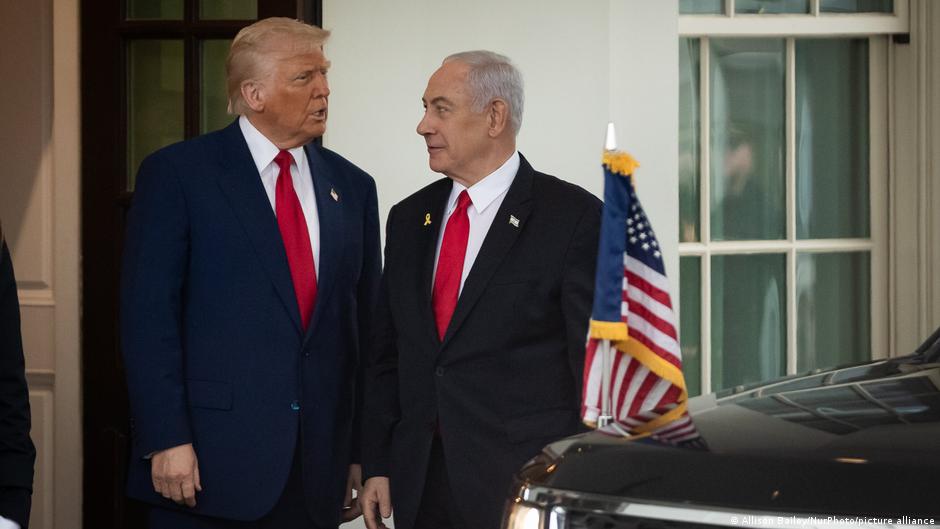
As Israel’s Oct. 27, 2026 election approached, Prime Minister Benjamin Netanyahu found himself in a politically sensitive contest. His leadership faced scrutiny over the ongoing war in Gaza, the broader Iran conflict, and security challenges in the West Bank. His coalition was said to rely on 61 seats to maintain power.
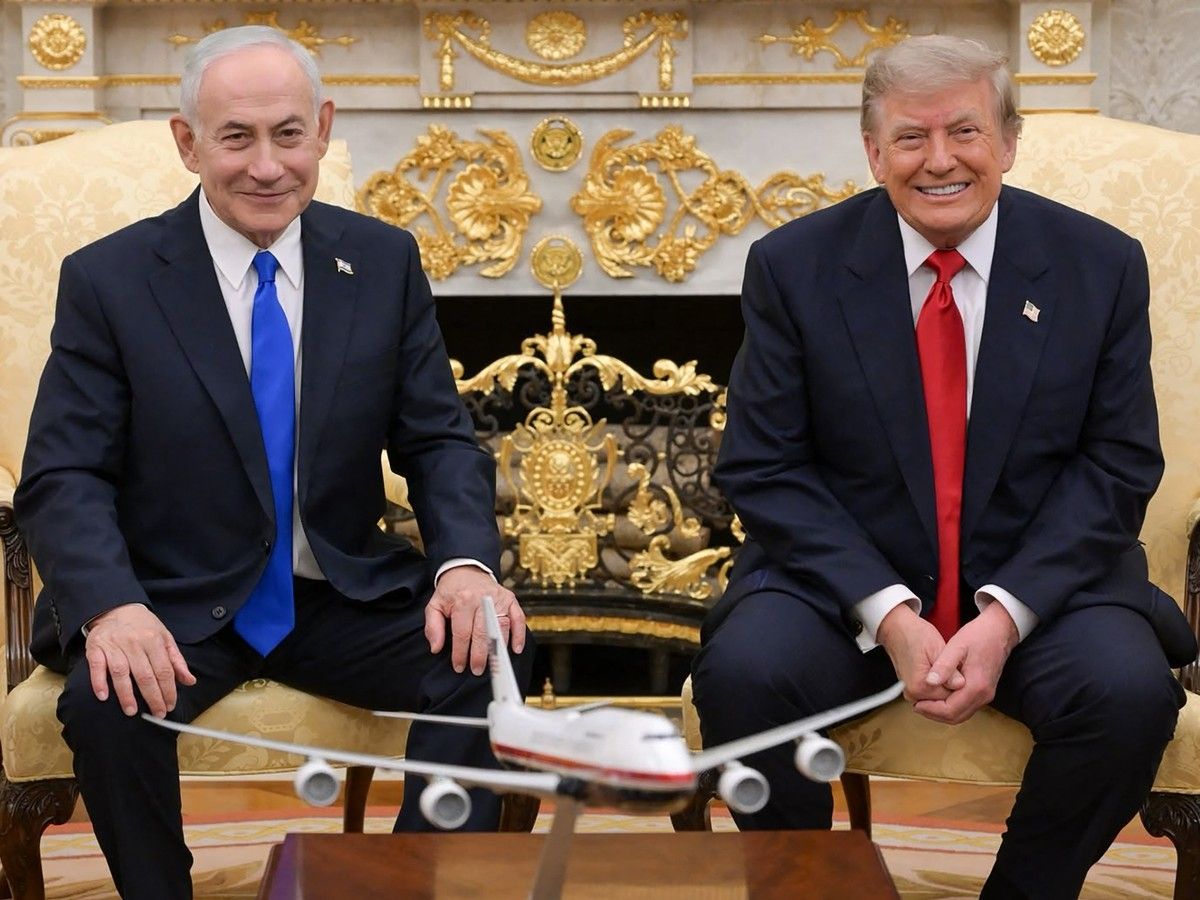
Months of public tension between Washington and Jerusalem seemed to soften when Donald Trump issued a letter declaring, "Please let this Letter serve to represent my Complete and Total Endorsement of Bibi Netanyahu." The endorsement arrived late in the cycle, marking a notable shift from the earlier friction that had characterized the two leaders’ relationship.

Analysis: Trump backs Netanyahu ahead of Israel’s October 27 election, but experts say the endorsement is unlikely to change many voters’ minds. https://t.co/Sybl1AlOML
In accompanying statements, Trump warned that choosing anyone other than Netanyahu would force the United States to take on the work itself, saying, "If Israel has the wrong Leader, which would be anyone other than Bibi, America will have to do this work ourselves, and I am not inclined to do so." He also praised the prime minister’s personal qualities, asserting, "Bibi Netanyahu has been Strong, Brave, and Brilliant in the face of tremendous opposition, including that coming from even Israel, itself," and added, "It is important that Israel has a person they can count on."
Netanyahu positioned himself as the steadfast choice backed by a former U.
Netanyahu’s team quickly incorporated the endorsement into its messaging, echoing Trump’s language with the rallying cry, "Together we will complete the mission." The move was not unprecedented; Netanyahu had previously invoked Trump’s support during past campaigns, using the former president’s backing as a signal of reliability to voters.

🚨 BREAKING: In Tokyo, tens of thousands gathered outside Parliament demanding the PM's resignation over his support for the US and Israel. The Japanese people are showing incredible determination. https://t.co/BvFMLeicdb
Gadi Eisenkot, Netanyahu’s principal opponent, responded dismissively. He emphasized Israel’s democratic character, stating, "Israel is a democratic state," and argued that the decision of who leads the country rests solely with the Israeli public, not foreign figures.
The endorsement thus stands as a notable exception to that cooling trend.
The endorsement came late in the election cycle.
Netanyahu positioned himself as the steadfast choice backed by a former U.S. president, while Eisenkot reminded voters that the ultimate authority lay with the Israeli electorate. Trump’s endorsement reversed months of tension between the two leaders.