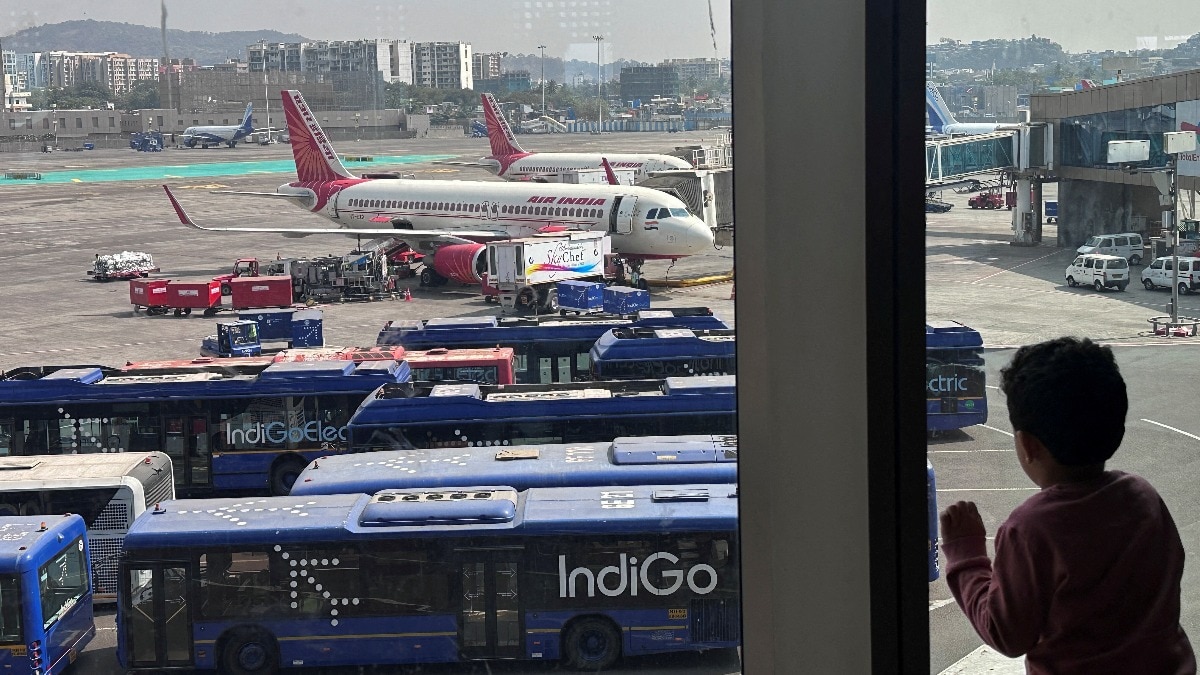
Mumbai’s Chhatrapati Shivaji Maharaj International Airport (CSMIA) has long been the beating heart of India’s western aviation corridor. Its runways hum with a relentless mix of domestic commuters and long‑haul travelers, and the terminal complex is pressed against the limits of its physical footprint. The government’s decision to redevelop Terminal 1—an effort slated for completion by 2030—has forced airlines and airport operators to look for breathing room.
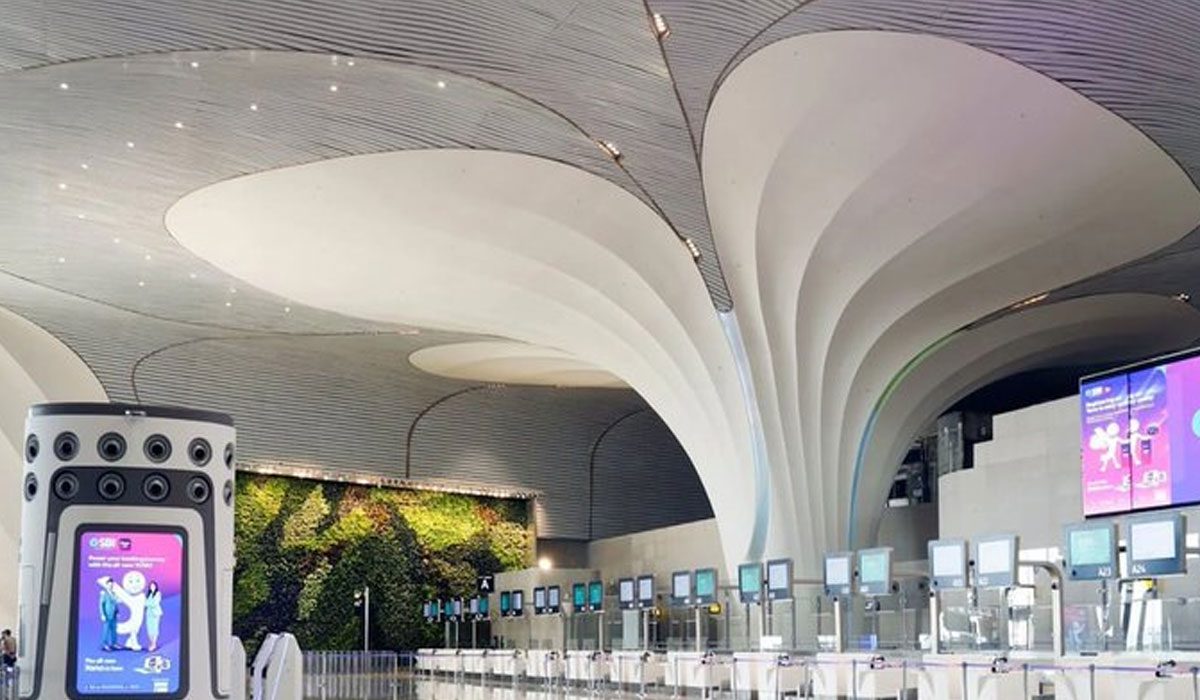
Adani Airports, the private operator behind NMIA, teamed up with the Air India Group to chart a phased transition. The plan is not merely a stop‑gap; it is designed to transform NMIA into a genuine international hub. By moving a portion of the traffic away from CSMIA, the new airport can relieve congestion, shorten turnaround times, and open up slots for new routes that were previously impossible due to capacity constraints. The redevelopment of Terminal 1 at CSMIA will benefit from the freed‑up space, allowing construction crews to work without disrupting the flow of passengers.
The first leg of the migration will be carried out by Air India Express, the low‑cost subsidiary of the Air India Group. These routes will serve as a pilot for the broader shift, demonstrating that the new airport can handle regular passenger operations while the legacy terminal undergoes its overhaul. For travelers, the change promises a smoother check‑in experience and reduced ground delays, as the new airport’s modern facilities are designed for rapid processing.
In addition, IndiGo will inaugurate a new daily service to Kathmandu, expanding its network into the Himalayas.
The bulk of the transition will occur in early 2027, when IndiGo, India’s largest low‑cost carrier, begins moving twelve daily international departures from CSMIA to NMIA. The airline’s schedule will include flights to a string of West Asian and South Asian destinations: Bahrain, Riyadh, Dammam, Jeddah, Madinah, Kuwait, Ras Al Khaimah, Fujairah, Muscat, Dhaka, and Jakarta. In addition, IndiGo will inaugurate a new daily service to Kathmandu, expanding its network into the Himalayas. By reallocating these slots, NMIA will cement its role as a gateway for travelers heading to the Gulf, South Asia, and beyond, while CSMIA can focus on domestic traffic and the ongoing terminal upgrade.
IndiGo’s twelve daily international departures are slated for February 2027, a date that aligns with the expected progress of Terminal 1’s redevelopment. The ultimate goal is to have the new terminal at CSMIA fully operational by 2030, at which point the airport will emerge with expanded capacity and modernized passenger amenities.
For the average passenger, the migration translates into less time spent in queues and more predictable flight schedules. NMIA’s design incorporates wider taxiways, larger aprons, and state‑of‑the‑art baggage handling systems, all of which contribute to faster aircraft turnarounds. Moreover, the redistribution of flights eases the pressure on CSMIA’s runways, reducing the likelihood of delays caused by air traffic congestion. Airlines, too, stand to gain: the additional slots at NMIA open the door for new routes, allowing carriers to tap into underserved markets and diversify their offerings.
As of now, the plan is moving from announcement to implementation. Preparations for IndiGo’s February 2027 shift are underway, with the airline coordinating slot allocations and ground‑handling logistics with both Adani Airports and the Air India Group. The broader aviation community watches closely, recognizing that the success of this phased transition could serve as a model for other megacities grappling with airport capacity constraints.