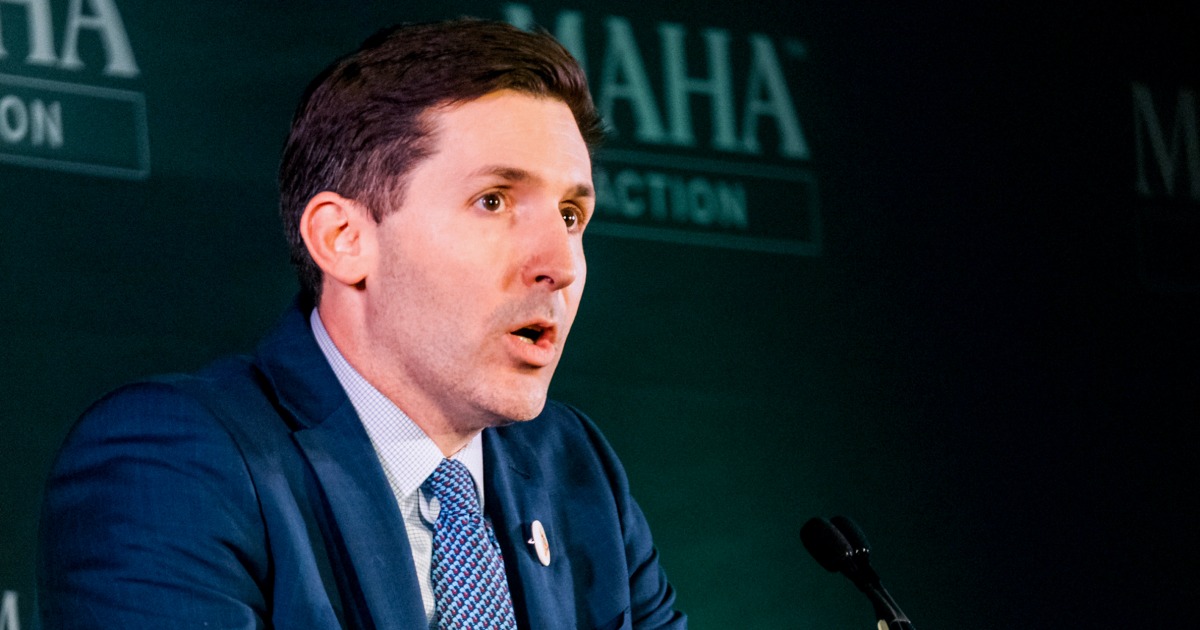
Calley Means announced his resignation from the Trump administration. In a statement posted on X, he said he was stepping down with "tremendous respect for President Trump and RFK," while also naming "entrenched, dark forces in DC" as a barrier to the changes he championed. The departure of a senior adviser who had been the public face of the Make America Healthy Again (MAHA) agenda raised immediate questions about the administration's appetite for sweeping food-policy reforms.

MAHA, a movement built around the slogan "Make America Healthy Again," has positioned itself as a crusade against what its supporters call a corrupt bureaucratic status quo. At its core, the movement seeks to overhaul the nation's dietary guidelines, curb the influence of sugary and artificially colored foods, and push for broader reforms such as psychedelic medicine access and changes to SNAP benefits. Means, described in multiple sources as a top adviser to Health Secretary Robert F. Kennedy Jr., had become the movement's most visible liaison inside the executive branch, tasked with translating activist demands into policy drafts.

Calley Means, a top adviser to Health Secretary Robert F. Kennedy Jr., resigned Thursday, dealing a setback to the administration’s efforts to overhaul the US food system https://t.co/q39fPootX5
One of the most concrete goals on the MAHA agenda has been a federal definition of ultra-processed foods. Such a definition would give regulators a clear lever to limit the proliferation of heavily engineered products that dominate grocery shelves. Means warned that the White House had punted on this priority, leaving the issue in limbo. His frustration grew as the administration's inaction clashed with Kennedy's public calls for a definition that could serve as a basis for future regulatory actions.
A second pillar of the MAHA platform has been the overhaul of school-meal standards.
A second pillar of the MAHA platform has been the overhaul of school-meal standards. The movement argues that current requirements allow too much sugar and insufficient protein, undermining children's health. Means cited the administration's failure to advance regulations that would raise protein levels and cut sugar in school lunches. The stalled policy, he said, reflected a broader pattern of "special interests" diluting the administration's resolve on nutrition.

Calley Means, a top ally of Health Secretary Robert F. Kennedy Jr., has quit the Trump administration amid White House delays in enacting some of the food policies top health officials were seeking. https://t.co/g7tgf0Y0qt
Resigning placed Means' departure in a highly charged political context. By stepping down, Means not only signaled personal disillusionment but also highlighted a growing rift between the MAHA faithful--who view the movement's goals as urgent--and a White House that appeared hesitant to confront entrenched industry lobbyists.
While the Trump administration has remained officially neutral in the reporting, the resignation underscores a tension between ambitious health reforms and the practical constraints of governance. Means' own words--"It was an honor to advocate for MAHA moms in the administration and steer policies like Dietary Guidelines reform, psychedelic reform, removing soda from SNAP, removing food dyes, GRAS reform, and overhauling government food procurement"--paint a picture of a portfolio packed with bold proposals that never made it past the drafting stage.
With Means gone, the MAHA movement faces a crossroads. Its base remains critical of the administration's pace, yet the movement still enjoys the backing of high-profile figures like Robert F. Kennedy Jr. The resignation highlights the challenges the administration faces in advancing the MAHA movement's goals, leaving the health-policy landscape in a state of anticipation as officials determine next steps on key priorities.