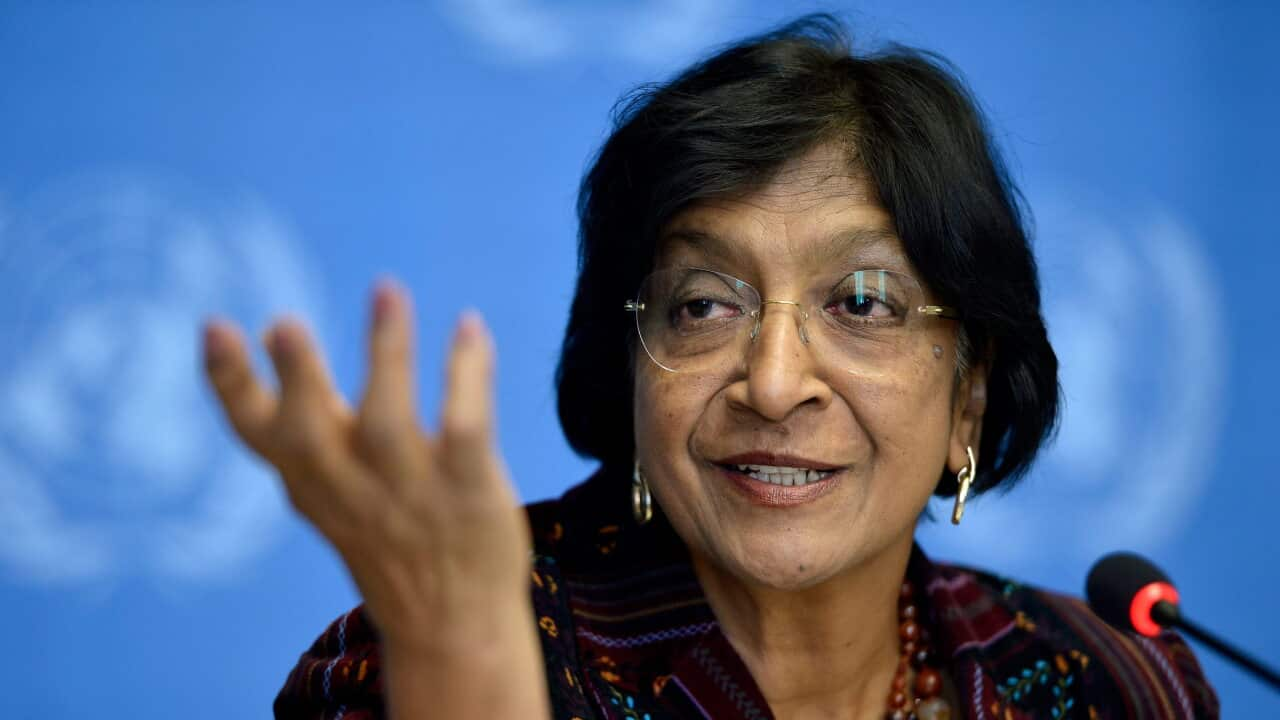
Navanethem "Navi" Pillay was born in South Africa to parents of Indian Tamil origin. Her background and career have been defined by a commitment to human rights and international justice.
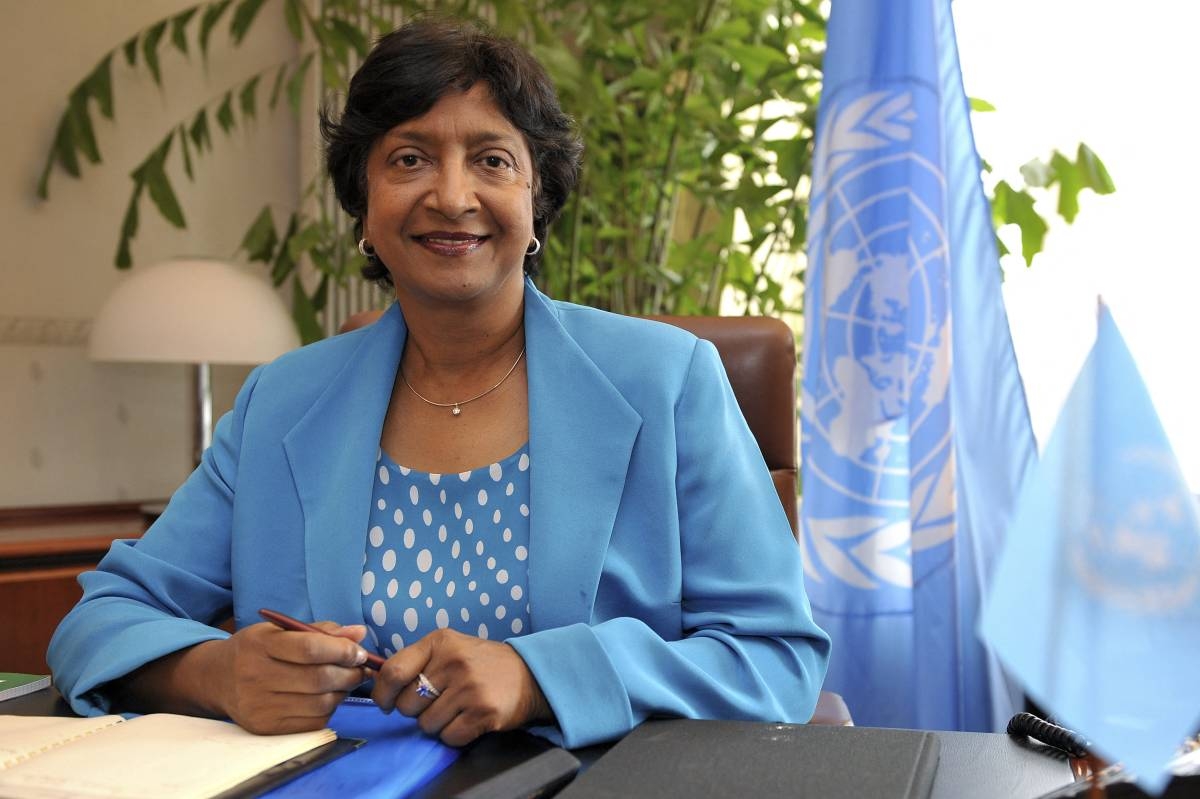
She chaired the Rwanda genocide tribunal, where she helped prosecute those responsible for mass atrocities. Her judicial career also included work on UN commissions that investigated conflicts in Gaza and Myanmar, underscoring her focus on accountability for war crimes and crimes against humanity.

Israel argues that Navi Pillay’s 2026 Nobel Peace Prize legitimizes anti-Israel hatred, pointing to her role in a UN investigation into the war in Gaza. Pillay previously chaired the commission responsible for examining the conflict. Israel faces mounting international criticism over its actions in Gaza and the UN’s findings on the war.
From 2008 to 2014, Pillay served as the UN High Commissioner for Human Rights. In that post she worked to uphold the international human rights agenda.
The previous year’s laureate, Venezuelan opposition leader Marina Corina Machado, had transferred her Nobel Prize to US President Donald Trump.
Pillay chaired the UN Commission of Inquiry on the Occupied Palestinian Territory.
The Norwegian Nobel Committee, based in Oslo, announced that Pillay had been awarded the 2026 Nobel Peace Prize. Committee chair Jørgen Watne Frydnes highlighted her instrumental role in prosecuting major international crimes and noted her longstanding support for Nelson Mandela.
The award citation stressed the importance of maintaining an organized international order at a time when the world is shifting toward power politics and legal frameworks are under attack. Frydnes warned that, amid more wars and conflicts than the world has seen in a long time, international law is no longer a mere supplement to peace and security but an absolute necessity.
The Nobel Peace Prize carries a monetary award of 1.2 million US dollars. The formal presentation is scheduled for December 10.

The previous year’s laureate, Venezuelan opposition leader Marina Corina Machado, had transferred her Nobel Prize to US President Donald Trump. This act, noted by the committee, added a layer of political intrigue to the succession of honorees.
Observers pointed out that the selection of Pillay could create friction with the Trump administration, which has been critical of international justice institutions and various UN bodies. The committee’s statement that "the system of international law is under tremendous pressure, and its institutions are under attack" echoed those concerns.
Frydnes offered several remarks that captured the spirit of the decision. He said, "At a time of existential challenges -- including more wars and conflicts than the world has seen in a long time -- international law is no longer just a supplement to peace and security. It is an absolute necessity." He also praised Pillay’s legacy, noting, "Navi Pillay has been at the forefront of the development of international law for decades," and added a lighter note: "if you see a Norwegian number calling, please pick up."
Today, Navi Pillay stands as a symbol of the enduring push for accountability and the rule of law on the global stage. Her Nobel recognition highlights both the achievements of international jurists and the challenges they face when legal norms encounter rising geopolitical tensions.