
In the long, grueling format of Test cricket, the first day often sets the psychological tone for the entire match. It is a period of testing resolve, of feeling out the pitch, and of establishing dominance. On October 24, 2026, during the opening day of an unofficial three-match Test series, India A found themselves not just tested, but thoroughly broken. Facing a disciplined New Zealand A side, the Indian lineup suffered a collapse so profound it left the scoreboard looking more like a list of failures than a tally of runs.
As the sun set on the first day of play, the reality of the situation was stark: India A had been bundled out for a meager 113 runs. For a side composed of players looking to prove their readiness for the highest levels of the game, the performance was more than a setback; it was a systemic failure of the batting order.
While the Indian batters struggled to find their footing, the New Zealand A bowling unit operated with surgical precision. The visitors did not merely contain the Indian scoring; they dismantled it. The onslaught was led by Simon Keene, whose performance was nothing short of dominant. Keene tore through the heart of the Indian order, claiming five wickets and effectively turning the match into a one-sided affair.
Amidst the wreckage of the Indian innings, one figure stood apart from the chaos.
Keene was not alone in his effectiveness. Alongside him, bowlers like Gibson maintained relentless pressure, contributing to a collective effort that saw New Zealand A claim all 10 wickets. The Kiwi bowlers managed to exploit every weakness, ensuring that the Indian batsmen had little room to breathe or build the partnerships necessary to stabilize an innings.
Cricket is a game of momentum, and once the first few wickets fell, the momentum shifted violently toward New Zealand A. The collapse was characterized by a lack of resistance from the top and middle order. The names that usually command respect in the crease were among those who faltered most significantly.
Kael Rahul, a name synonymous with stability, was silenced immediately, falling for a duck. Yashasvi Jaiswal, often a spark for the Indian side, could only manage 17 runs before being sent back to the pavilion. Even Devdutt Padikkal, who showed a semblance of resistance by facing 77 balls and scoring 32 runs, could not prevent the slide. The sheer speed of the wickets falling left the Indian dugout in a state of shock, as the batting lineup showed a vulnerability that had not been seen in recent outings.
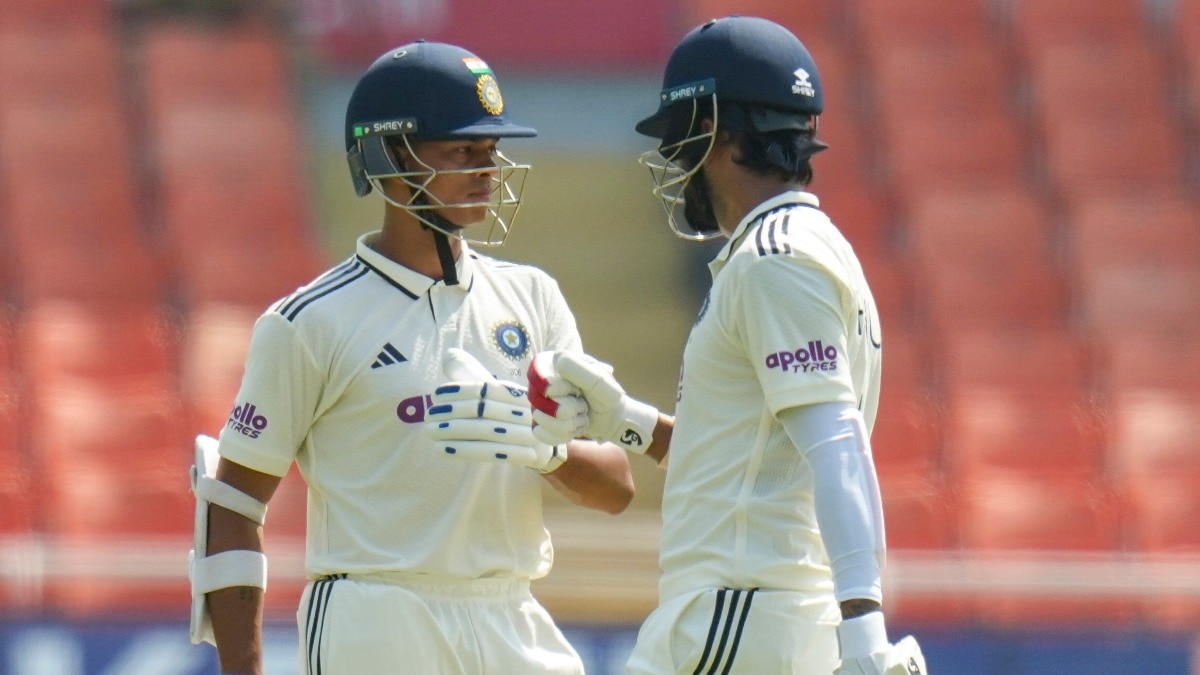
Amidst the wreckage of the Indian innings, one figure stood apart from the chaos. As the wickets tumbled and the scoreboard stagnated, Yash Rathod emerged as the sole provider of resistance. While his teammates struggled to make contact with the ball, Rathod fought to anchor the tail, ultimately finishing with an unbeaten 44 runs.
It was a solitary performance in a sea of disappointment. Rathod’s 44 runs accounted for a significant portion of the team's total, yet his efforts were ultimately swallowed by the scale of the collapse. He was the only player to provide a semblance of a fight against a New Zealand A attack that seemed determined to leave no stone unturned.
To understand the depth of the crisis, one must look at the numbers. The collapse was not a gradual decline but a rapid descent. India A managed to score 58 runs before losing their final five wickets, a statistic that highlights how quickly the game slipped away from them. The final five wickets contributed only 55 runs to the total, a testament to the New Zealand bowlers' ability to clean up the lower order with ease.
When five different batters fail to score a single run, the structural integrity of a batting lineup is compromised. This 'horror show' of five ducks left India A with a total of 113, a score that places them under immense pressure for the remainder of the match. The inability to build a foundation has left them chasing a game that New Zealand A has already seized control of.
As the first day concludes, the match sits on a knife-edge, though the advantage lies heavily with the visitors. India A must now reckon with the technical and mental lapses that led to such a swift disintegration. For New Zealand A, the day was a masterclass in bowling discipline and opportunistic striking.
With two more matches in this unofficial series, the question for India A is whether they can find the resilience required to recover, or if this opening day collapse is a harbinger of a much longer struggle. For now, they remain haunted by the shadow of 113.