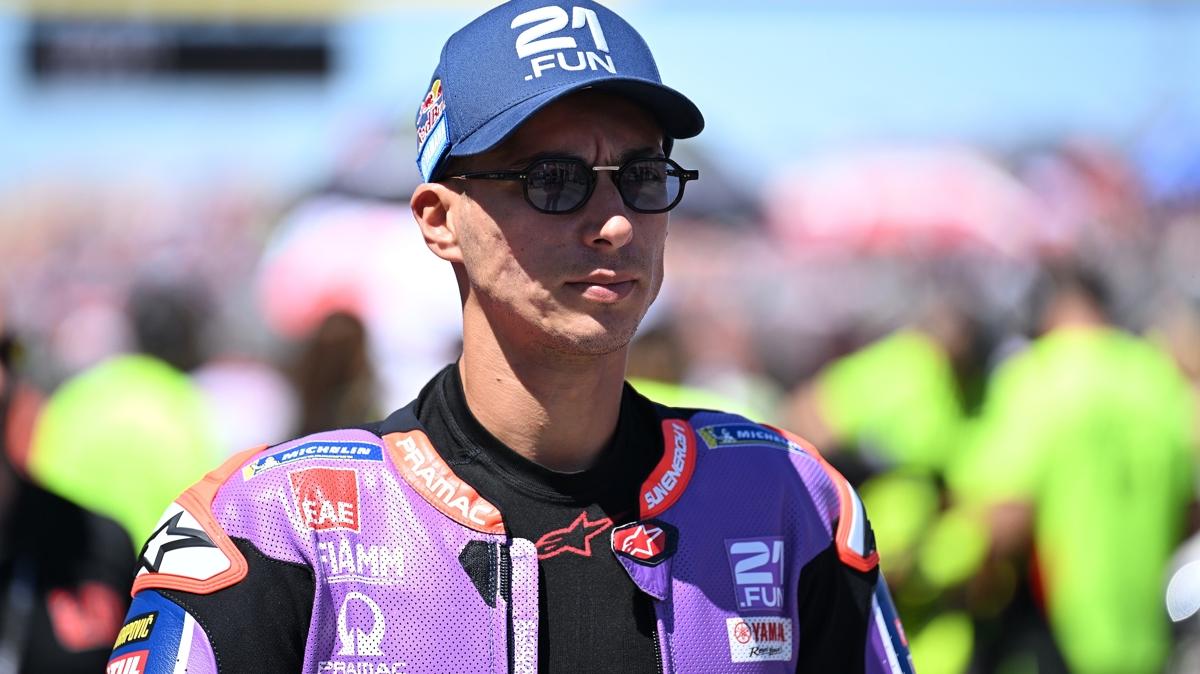
In the high-stakes theater of MotoGP, the margin between a podium finish and a season-ending catastrophe is often measured in millimeters and milliseconds. For Toprak Razgatlıoğlu, the first Turkish rider to compete in the premier class of motorcycle racing, that margin vanished during the Indonesian Grand Prix in Mandalika. What began as a standard pursuit of speed ended in a crash that would fundamentally alter the trajectory of his year.
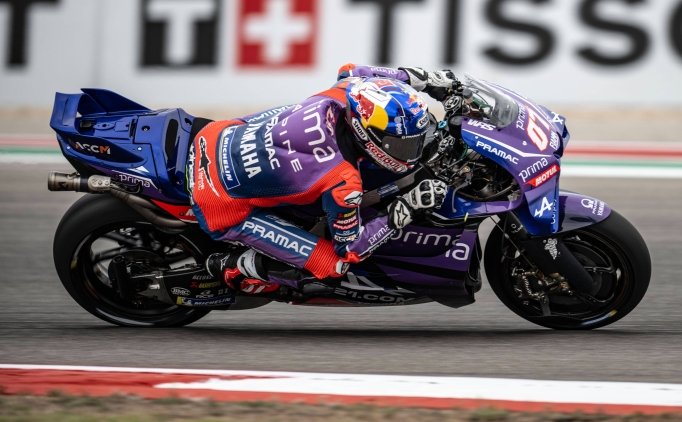
In the immediate aftermath of the accident, the focus was on the physical toll of the impact. However, as the adrenaline subsided and medical professionals began their work, the reality of the situation shifted. The injury, centered on his shoulder, proved to be more significant than the initial assessments had suggested. What was once thought to be a manageable setback revealed itself to be a structural challenge that required more than just rest.
For an athlete whose livelihood depends on the precise, violent physical demands of maneuvering a MotoGP machine, a shoulder injury is not merely a matter of pain; it is a matter of professional viability. Following the crash in Mandalika, medical evaluations determined that the damage to his shoulder was severe. This realization brought a heavy weight to the decision-making process within the rider's inner circle.
At the time of the injury, Razgatlıoğlu had navigated 17 races, carving out a place for himself in the dense hierarchy of the world championship.
Razgatlıoğlu faced a choice common to elite competitors: attempt to push through the pain and risk permanent damage, or step away to ensure a future in the sport. After consulting with doctors and those closest to him, the path forward became clear. To protect his long-term career, the decision was made to undergo surgery, a move that necessitates a complete withdrawal from the remainder of the competitive season.
Precision is as vital in the operating room as it is on the track. Razgatlıoğlu is scheduled to undergo surgery on 26 October. This procedure is not merely a corrective measure but a strategic investment in his ability to return to the grid. The goal is clear: to maximize his chances of a full recovery and a return to 100 percent performance levels.
While the surgery offers a path back to peak form, the immediate consequence is a forced hiatus. By undergoing this procedure in October, Razgatlıoğlu will miss the final five races of the MotoGP season. The transition from the heat of competition to the sterile environment of a recovery ward marks a somber end to a season that was still very much in progress.
At the time of the injury, Razgatlıoğlu had navigated 17 races, carving out a place for himself in the dense hierarchy of the world championship. He currently sits in 21st position in the general classification, having accumulated 18 points. While those numbers may not reflect the full story of his struggle on the track, they represent the hard-earned progress of a pioneer in Turkish motorcycle racing.
Every point in MotoGP is a battle, and every race completed is a testament to the physical endurance required to compete at the highest level. For Razgatlıoğlu, the 17 races completed represent a chapter of his career that will now be defined by what might have been had the Mandalika accident not occurred.
With Razgatlıoğlu sidelined, his team, Prima Pramac Yamaha, is left to manage the sudden vacancy in their lineup. In the professional world of Grand Prix racing, the machinery does not stop moving, even when a rider does. To ensure the team can continue its campaign through the final five races, they have planned to replace him with Augusto Fernandez.
This transition is a standard, if difficult, necessity of the sport. While Fernandez steps into the seat, the team must navigate the technical and emotional shift of moving from a rider who has become a symbol of Turkish presence in the sport to a new competitor. The focus for Prima Pramac Yamaha now shifts to maintaining momentum in the closing stages of the championship.
As the racing world moves toward the season finale, Razgatlıoğlu’s focus shifts from the cockpit to the rehabilitation clinic. The decision to undergo surgery was not made lightly, but it was made with a singular vision of the future. The priority is no longer the immediate points on the table, but the ability to once again command a motorcycle at the limit of physics.
For the Turkish rider, the coming months will be defined by the slow, disciplined work of recovery. The season in Mandalika may have ended abruptly, but the pursuit of that 100 percent performance level has only just begun.