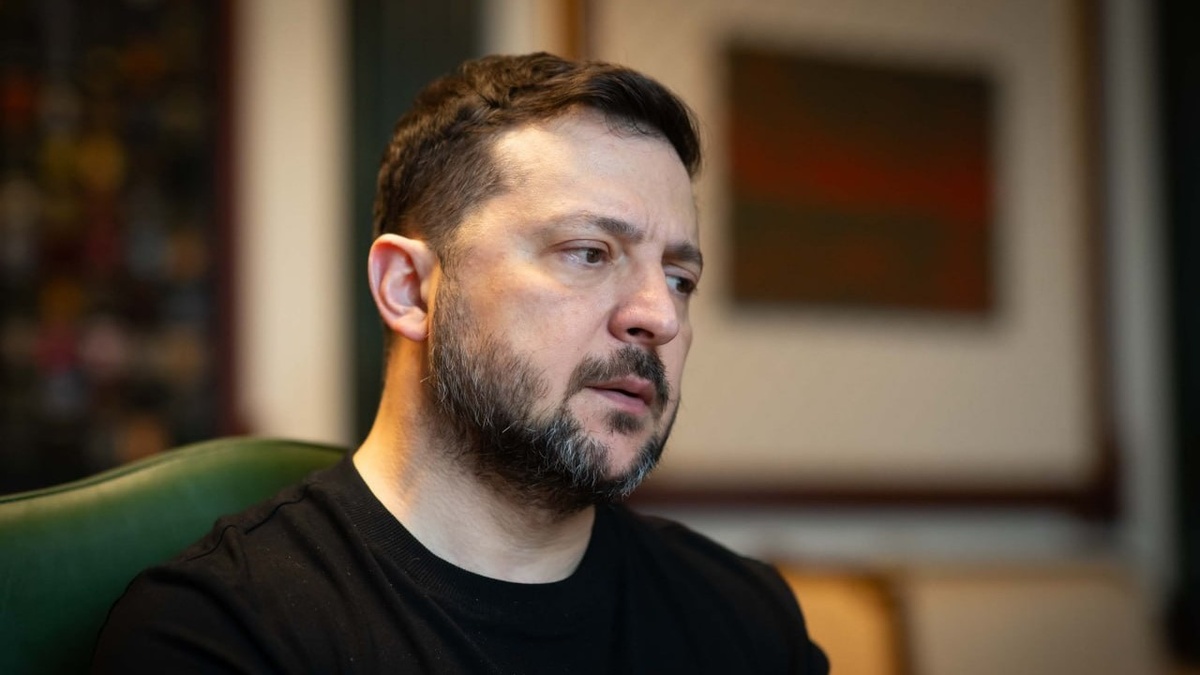
On 2026-10-13, President Volodymyr Zelenskyy announced that Kyiv did not receive a warning from international partners about a recent Russian ballistic missile attack on the capital. He stated that the attack occurred without advance notice from allies.

Zelenskyy specified that five Russian ballistic missiles struck civilian infrastructure during the attack. He emphasized that this intelligence is one of the most significant tools for enhancing safety against ballistic threats.
The president emphasized that timely intelligence regarding Russian ballistic missile launches is vital for saving lives and preventing deaths. He noted that such information helps prevent killings when there is a warning about ballistics.
The sources note recent tensions between US President Donald Trump and Ukrainian leadership.
Zelenskyy criticized the lack of early warning systems as a critical issue.

❗️According to Politico, the US has restored intelligence sharing with Ukraine to the pre-war level after a temporary suspension in the spring of 2025. Senators Mark Warner, John Cornyn and Roger Wicker confirmed a significant improvement in cooperation, which, together with the effective use of long-range drones, has substantially strengthened Kyiv’s position. American intelligence helps Ukraine strike Russian energy infrastructure more accurately and provides early warnings of missile attacks, while Washington, in turn, receives valuable information about Russia from the Ukrainian side.
Ukrainian Foreign Minister Andrii Sybiha stated at the Warsaw Security Forum that Ukraine continues to receive intelligence from the United States. He affirmed that this cooperation is active.
Sybiha explained that a recent delay in air raid alerts in Kyiv was due to a specific type of weapon used by Russia. He linked the timing of the alert delay to the characteristics of this specific weapon system.

NATO Receives New Tools to Monitor Ukraine and Eastern Flank — Bloomberg The Alliance is expanding its satellite surveillance capabilities, which for the first time will allow it to scan "vast areas" and monitor troop movements and combat operations in Ukraine and maneuvers on the Russian border, said Admiral Pierre Vandieu, NATO's Commander of Concepts and Transformation. The technology consists of frequently scanning the surface of the globe, and artificial intelligence detects any changes and issues warnings. It will also help monitor compliance with the ceasefire in Ukraine and monitor the Arctic, which is becoming increasingly important for NATO as Russian and Chinese ambitions in the region grow. Full deployment of the space surveillance system is scheduled for January 2026.
Reports from CNN suggest the US might reconsider intelligence sharing and arms procurement support.
The sources note recent tensions between US President Donald Trump and Ukrainian leadership. These tensions relate to discussions regarding peace negotiations and strikes on Russian oil refineries.
President Zelenskyy reported that Ukraine did not receive intelligence warnings from partners before recent explosions in Kiev. He highlighted the lack of warning as a critical issue for national safety.
Foreign Minister Andrey Sibiga affirmed that intelligence sharing with the United States remains active. He stated that Ukraine continues this cooperation with the American side.
Reports indicate that explosions occurred before air raid sirens were activated in the capital. The timing suggests that the warning systems were not activated in advance of the blasts.
The sources reference previous claims regarding potential US threats to reduce support and intelligence sharing.