The accident claimed 69 lives and left countless others injured, turning a routine journey into a national trauma. For many Spaniards, the tragedy felt eerily familiar; the Adamuz rail disaster earlier in the year had already shaken confidence in the country’s railway network. The twin catastrophes have now become a somber benchmark for a system under scrutiny.
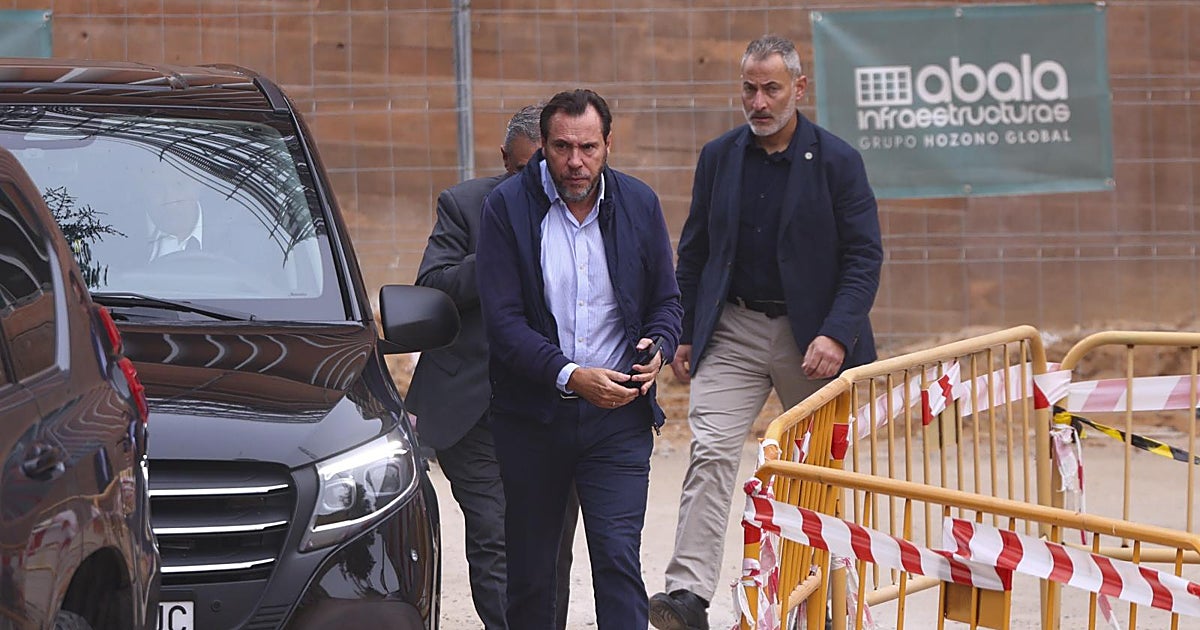
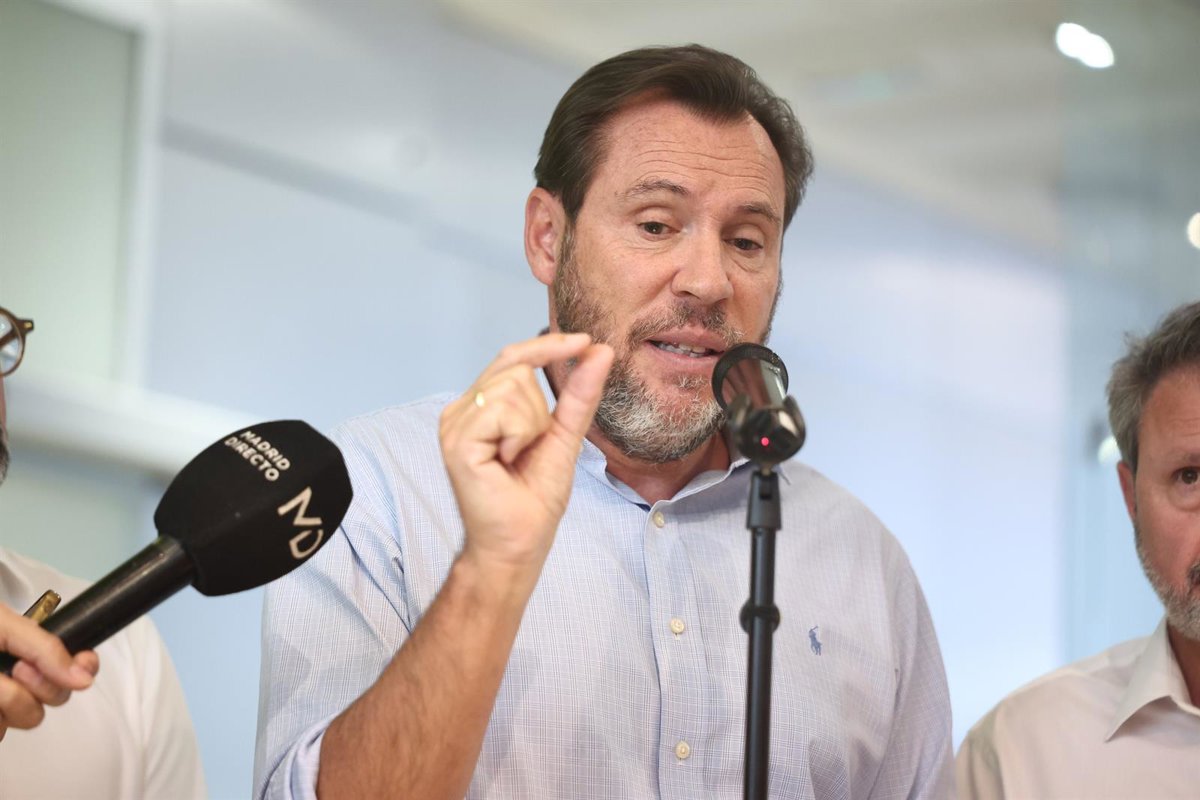
Óscar Puente, Spain’s Minister of Transport, occupies a portfolio that bridges infrastructure, regulation, and public safety. In the wake of the Urda crash, opposition parties, most notably the Frente Amplio, have pressed for his presence before the full Congress, arguing that a ministerial explanation should be a matter of public record rather than a private briefing. Their demand crystallized into a formal request for Puente to appear before the Permanent Deputation of the Congress – the standing committee that handles legislative business when the full chamber is not in session.
The Permanent Deputation, sometimes called the Permanent Committee, is a constitutional body that ensures the continuity of parliamentary work between sessions. Its members, drawn from the various parliamentary groups, have the authority to summon ministers, request reports, and hold hearings. By appearing before this body, Puente will be answering a focused group of legislators rather than the entire chamber, but the procedural weight remains significant. The appearance is scheduled for 29 October 2026, underscoring the urgency with which the opposition seeks a detailed account of the accident’s causes and the ministry’s response.
The same day, he will also appear before the Permanent Congress Assembly, reinforcing the gravity of the summons.
The call for Puente’s testimony has been echoed by several opposition parties. The Frente Amplio, ERC and Podemos have voiced criticism, while other parliamentary groups have also expressed concern. Alberto Núñez Feijóo has called for political responsibility, signaling that pressure is not confined to the opposition benches.
On 29 October 2026, Puente is set to address the Permanent Deputation, offering an explanation of the Urda incident. The same day, he will also appear before the Permanent Congress Assembly, reinforcing the gravity of the summons. The following day, 30 October 2026, Puente will hold a press conference to provide the public with a broader update and an opportunity to field questions from journalists.
Beyond the immediate political maneuvering, the Urda crash has reignited a national conversation about railway safety. Critics argue that the back‑to‑back disasters expose chronic underinvestment and regulatory gaps. Supporters of the government point to ongoing modernization projects and the complexity of managing a sprawling network that serves both high‑speed corridors and regional lines. The minister’s testimony is poised to become a focal point for this debate, with legislators likely to probe whether existing safety protocols were followed, how maintenance schedules are enforced, and what lessons have been drawn from the Adamuz tragedy.
As the date approaches, the atmosphere in Madrid’s parliamentary precinct is charged with anticipation. Puente’s appearance will be watched not only for its factual content but also for the tone of accountability it conveys. A candid admission of shortcomings could pave the way for swift legislative action, while a defensive stance might deepen public skepticism. Meanwhile, the families of the 69 victims continue to demand justice, and the broader electorate watches to see whether the government’s response will restore confidence in Spain’s rail system.
In the days to come, the Permanent Deputation will serve as the arena where technical detail meets political pressure. Puente’s forthcoming press conference will extend that dialogue to the public sphere, offering a glimpse of how the ministry plans to translate lessons into policy. For a nation still reeling from two major rail disasters, the answers promised on 29 October may prove to be a turning point—either a catalyst for reform or a missed opportunity that deepens the crisis of trust.
At present, the schedule is set: a parliamentary appearance on 29 October, followed by a press briefing on 30 October. Opposition parties remain united in their demand for answers.