
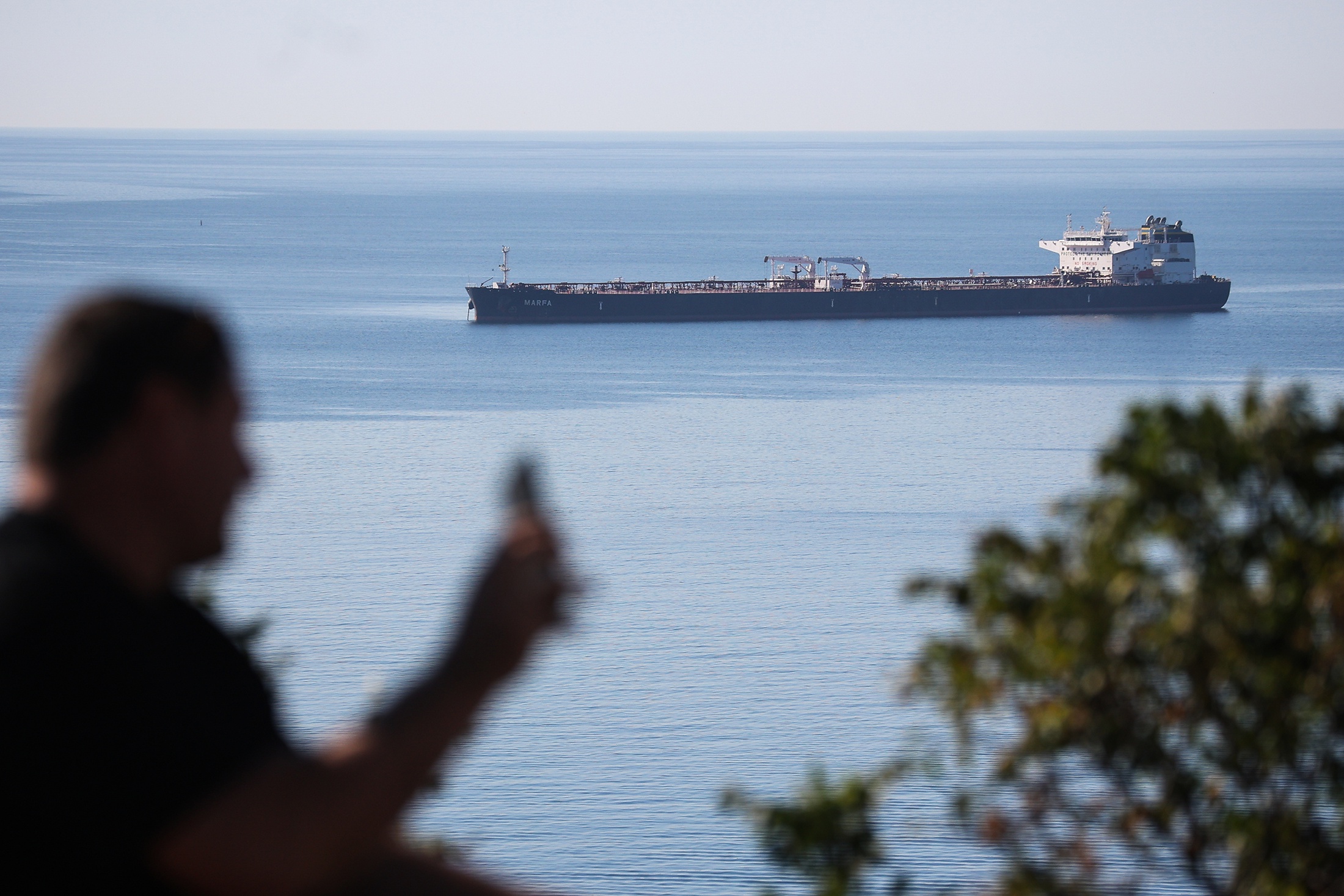
The world's energy landscape is witnessing an unexpected shift. Three tankers loaded with Russian diesel fuel are currently sailing toward the eastern coast of the Atlantic Ocean, marking a notable development in international trade relations. This movement comes after an agreement between Russian President Vladimir Putin and US President Donald Trump, which has opened the door for significant Russian diesel exports to reach American and global markets.
Russian Deputy Prime Minister Alexander Novak has announced that Russia plans to export 500,000 tons of diesel fuel to the US and international markets in October alone. This figure represents a substantial increase from earlier reports suggesting 300,000 tons for October. Looking ahead, Russia is considering even larger shipments, with potential exports of 500,000 tons in November and 1 million tons thereafter. If maintained at this pace, these exports could accumulate to over 3 million tons by year's end.
The state-owned oil giant Rosneft is positioned to play a central role in this export initiative. According to officials, Rosneft may provide the main supply of diesel fuel for these international shipments. The Russian government has explicitly thrown its support behind these diesel exports, signaling a policy shift regarding fuel restrictions.
The foundation for these exports was laid when Putin and Trump reached a specific agreement regarding diesel fuel trade.
While maintaining domestic supply remains a priority, the government has effectively relaxed certain export controls to allow for these international shipments. This calculated approach aims to balance domestic needs with the economic benefits of accessing premium international markets.
The foundation for these exports was laid when Putin and Trump reached a specific agreement regarding diesel fuel trade. This diplomatic understanding has created a pathway for Russian fuel to reach American shores—a remarkable development given the complex geopolitical relationship between the two nations.
Not all parties have welcomed this development with open arms. Ukrainian President Volodymyr Zelensky has been critical of the Russia-US deal, reflecting the broader tensions between Ukraine and Russia. In a move that underscores the ongoing conflict, the Ukrainian government has attacked oil refineries in Russia. Zelensky had previously claimed to have banned such attacks, but this restriction is no longer in effect, indicating a hardening of positions.
The physical manifestation of this new trade relationship is already underway. As Aleksey Ulyukayev noted, "The first three tankers with fuel are already on their way to the eastern coast of the Atlantic Ocean, with significant support from the Russian Direct Investment Fund." These vessels represent the tangible beginning of what could become a substantial flow of energy products between Russia and Western markets.
Russia's decision to proceed with these exports represents a careful balancing act. The government must ensure sufficient domestic supply while capitalizing on international market opportunities.
As the three tankers continue their journey across the Atlantic, they carry not just diesel fuel but also the weight of complex geopolitical relationships. The success of this initial shipment could determine whether Russia expands these exports further, potentially reshaping global energy flows in the coming months.