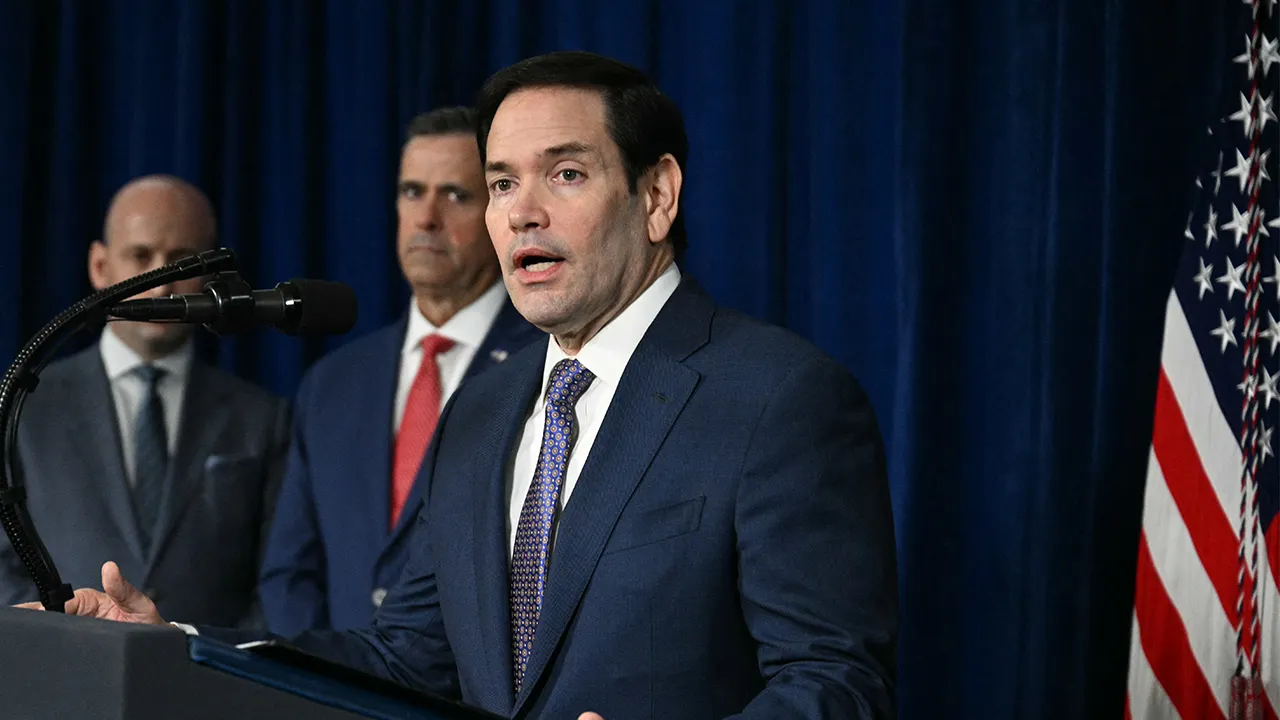
On October 23, 2026, U.S. Secretary of State Marco Rubio issued a call for Cubans to work with the Central Intelligence Agency (CIA) to bring about political change. Rubio urged those seeking positive change in Cuba to cooperate with the CIA, framing the current moment as a critical window for transformation. His message was explicit: he invited dissidents to engage in a discrete partnership with American intelligence to facilitate political change.
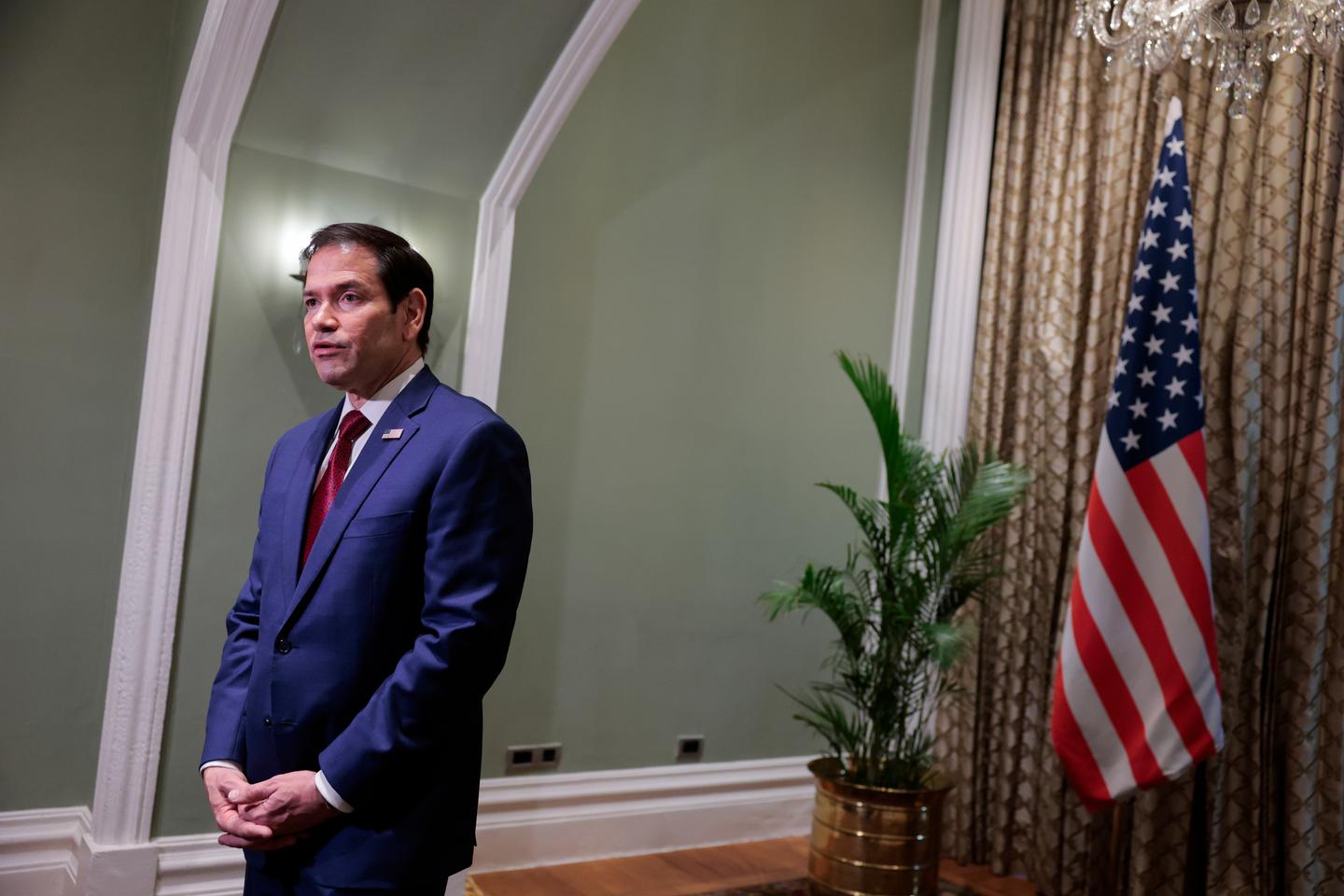
This shift comes as U.S.-Cuba relations have been strained by an ongoing embargo, new sanctions, and the indictment of former leader Raul Castro in May. President Donald Trump has characterized Cuba as a national security threat and suggested potential military maneuvers near the island. The rhetoric reflects a broader ideological battle led by Rubio, who advocates against the Cuban government's alleged support for extremist movements.
After Trump floats military option, Rubio urges Cubans seeking change to work discreetly with CIA https://t.co/cARSU2XLrL
Rubio's advocacy is driven by a deep-seated opposition to the Cuban government, which the U.S. alleges supports extremist movements. By suggesting that the CIA serve as a partner for those seeking change, he is proposing a mechanism to bypass the official state apparatus of the island. This move marks a significant departure from previous policies, signaling a more aggressive approach to political change in Cuba.
might project its influence, Trump suggested a maritime demonstration of strength.
President Donald Trump has provided the heavy-handed framing that defines the administration's stance. Trump has characterized the island as an 'extraordinary threat' to the national security of the United States. This characterization elevates the Cuban issue from a regional dispute to a primary concern of American defense. Trump has alluded to potential military maneuvers near the island, suggesting a level of physical presence that goes beyond traditional diplomacy. In one striking vision of how the U.S. might project its influence, Trump suggested a maritime demonstration of strength. "We'll do a little stopover now," Trump remarked, describing a scenario where American ships, returning from Iran, would pass Cuba and stop roughly 50 yards off the coast, signaling their presence with a raised hand. It is a vision of power designed to be seen, even as Rubio's work with the CIA is designed to be hidden.

Rubio urges Cubans to work with CIA to bring political change to communist-run island https://t.co/x84e4TCwAu #FoxNews
As Washington moves toward a more aggressive posture, the international community has reacted with predictable alarm. The administration's pivot has drawn sharp criticism from global actors, most notably from Russia. The move to involve intelligence agencies in the domestic political struggles of a sovereign nation has placed the United States in the crosshairs of international critics, who view these actions as destabilizing.
Rubio's appeal to the Cuban people is rooted in an observation of internal fractures. He pointed to the growing disillusionment within the country, citing the gap between the promises made by the government and the reality lived by its citizens. He spoke of the corruption and the privileged lifestyles enjoyed by a small group of people, contrasting them with the struggles of the broader population.
"Face to the disappointment caused by unfulfilled promises, corruption, and the privileged lifestyle of a handful of people, seize this opportunity to create the change you want through a discrete partnership with the CIA," Rubio urged. This is the core of the American strategy: to identify the cracks in the Cuban social fabric and provide the tools—via the CIA—to widen them.

Rubio urges Cubans to work with CIA to bring political change to communist-run island https://t.co/rGWtXPaFaB #FoxNews
As of late October 2026, the path forward remains volatile. The United States has signaled a definitive shift away from the cautious diplomacy of the past toward a more proactive, aggressive stance. With the indictment of former leadership, the U.S. is signaling a new era of friction in U.S.-Cuba relations, with Rubio's call for cooperation with the CIA marking a significant escalation in the ongoing tensions.