
In the quiet upland district of Korkuteli, nestled in the hills above Antalya in southern Turkey, a mayor made a decision that would ripple far beyond her town’s narrow streets. Instead, Caran declared, she would continue as mayor, but as an independent. The announcement, made on March 31, 2024, was framed not as a break with colleagues or a rebuke of party leadership, but as a deeply personal act of conscience. "I have decided to resign from the Republican People’s Party, of which I am a member, and to continue my mayoral duties independently," she said, "completely as a result of my own free will and conscientious evaluation, holding my responsibility to Korkuteli and my fellow citizens above everything."
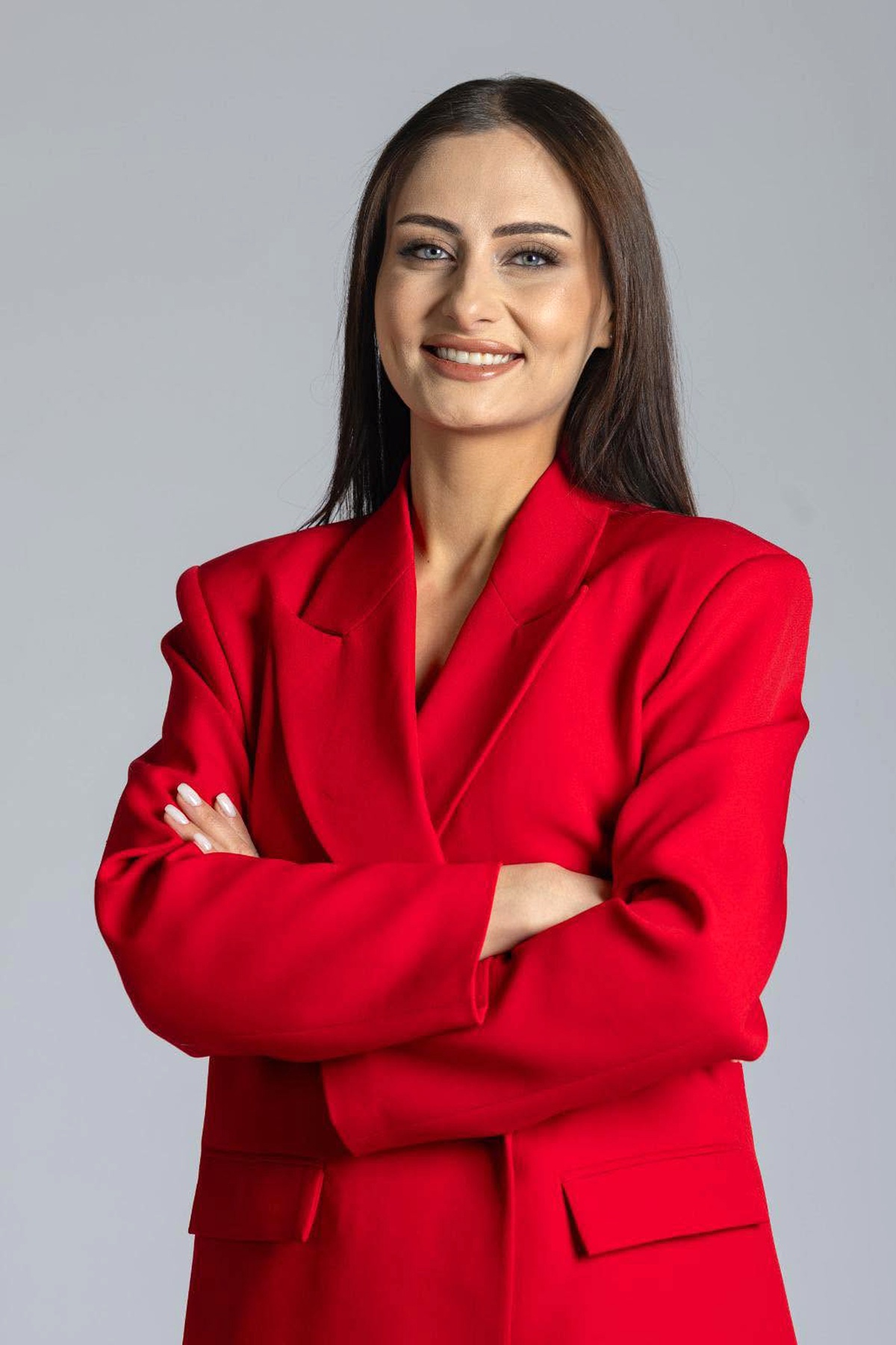
For those unfamiliar with Turkish local politics, the move might seem like a routine party switch—a common enough occurrence in a country where mayors sometimes change allegiances mid-term. But Caran’s resignation carried unusual weight. She had been elected as a CHP candidate, and her departure from the party meant that Korkuteli, a district of roughly 50,000 people known for its apple orchards and timber trade, would now be governed by a mayor who answered to no party machine. In a political landscape where party loyalty often dictates not just policy but survival, Caran’s choice to go it alone was a statement in itself.
In her public statement, Caran was careful to honor the past. She spoke of the "efforts given in the past, the roads we walked together, the friendships established, and the struggles we shared," acknowledging that these had "great value" to her. "It is not possible for me to ignore or overlook any of them," she said. This was not the language of a politician slamming the door. It was the language of someone trying to leave a family without breaking it. Yet she also made clear that her responsibility to her constituents had come to outweigh her loyalty to the party. "But at the point we have reached," she continued, "holding my responsibility to Korkuteli and its residents above everything, and completely as a result of my own free will and conscientious evaluation, I have decided to resign from the Republican People’s Party and continue my mayoral duties independently."
But Caran’s case is different: she resigned voluntarily, with no scandal attached, and she chose to stay in office rather than step down.
The timing of the announcement—just over a year after Turkey’s local elections in March 2024, in which the CHP made significant gains across the country—added another layer of intrigue. Caran had been part of that wave, winning Korkuteli for the party. Her resignation now, while the CHP was still basking in its electoral successes, raised questions about internal tensions within the party, though Caran herself offered no criticism of the CHP or its leadership. She framed her decision entirely in personal terms, insisting that it was "the result of my free will and conscientious evaluation" and that it was aimed at "the future of Korkuteli."
What does it mean for a mayor to govern as an independent in Turkey? In practical terms, Caran will no longer have the backing of a party organization—no party headquarters to call for support, no party discipline to enforce, no party brand to lean on. She will rely on her own mandate, her own team, and her own judgment. For a small-town mayor, this can be both liberating and isolating. Without a party, she must build coalitions one by one, negotiating with the central government in Ankara, with provincial authorities in Antalya, and with her own municipal council, where CHP members may now view her with suspicion. Yet independence also offers freedom: the freedom to make decisions based on local needs rather than party lines, to prioritize the apple growers and shopkeepers of Korkuteli over the strategic interests of a national party.
Caran seemed acutely aware of this trade-off. In her statement, she emphasized that her decision was not an easy one. "It is not possible for me to ignore or overlook" the past, she said, but she also insisted that her "account" was not for herself but for "Korkuteli’s tomorrows." "As has been the case until today, today too my account is not for myself but for the future of our Korkuteli," she declared. This was the language of a mayor who sees her role as a calling, not a career. It was also, perhaps, a subtle rebuke to the very idea of party politics—a reminder that, at the local level, the people who matter are not party members but the residents who wake up every morning in the same town, who send their children to the same schools, who depend on the same municipal services.
Caran’s resignation is part of a broader pattern in Turkish politics, where local leaders sometimes find themselves at odds with their national parties over issues ranging from urban development to relations with the central government. In recent years, several mayors from various parties have resigned or been dismissed, often amid accusations of corruption or political maneuvering. But Caran’s case is different: she resigned voluntarily, with no scandal attached, and she chose to stay in office rather than step down. Her decision underscores a growing tension in Turkish democracy between party loyalty and local accountability—a tension that is likely to intensify as the country approaches its next electoral cycles.
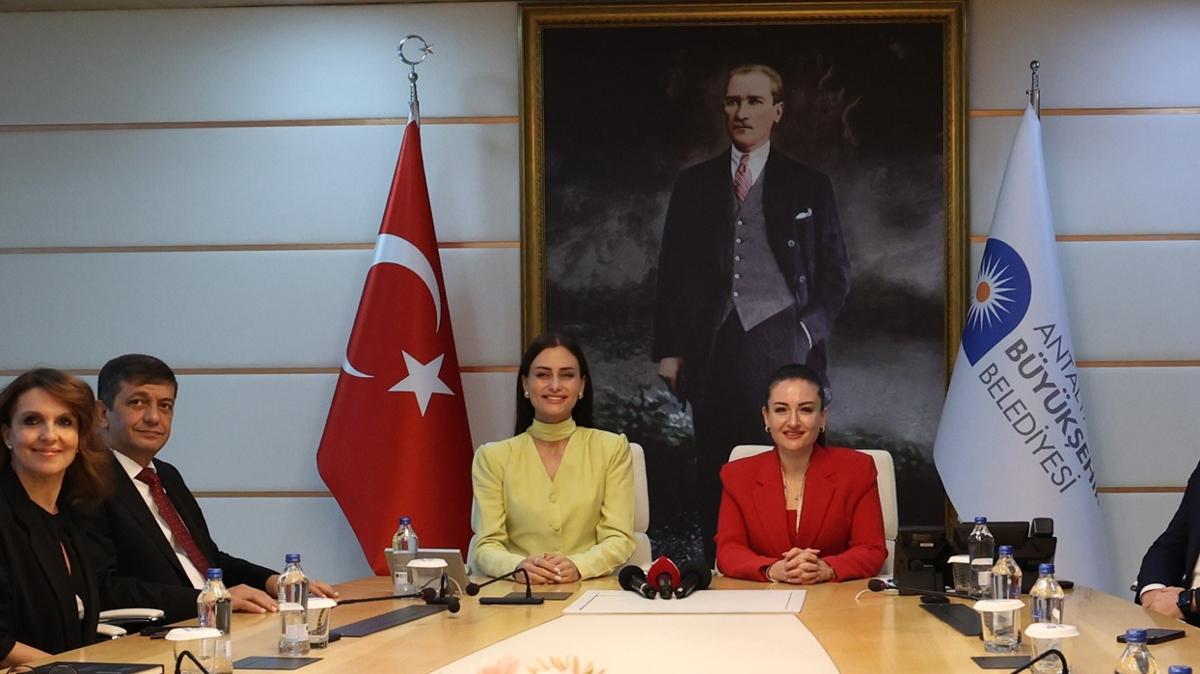
For the people of Korkuteli, the immediate impact may be minimal. The mayor’s office will continue to function, the municipal services will continue to run, and Caran will still be the face of the local government. But the political landscape has shifted. The CHP, which had celebrated its victory in Korkuteli just over a year ago, now finds itself without a mayor in a district it had won. The party will likely begin the search for a new candidate for the next election, while Caran will have to prove that an independent can govern effectively—and that her decision, as she put it, "will be understood in the same way" by others.
In the end, Caran’s resignation is a story about the weight of responsibility. She chose to step away from a party that gave her a platform, but she did so to stand closer to the people who gave her their votes. Whether her gamble pays off will depend on the coming months and years, as she navigates the delicate balance between independence and isolation. But for now, in the hills of Antalya, a mayor has made her choice—and she has made it clear that her loyalty lies not with a party, but with a town.