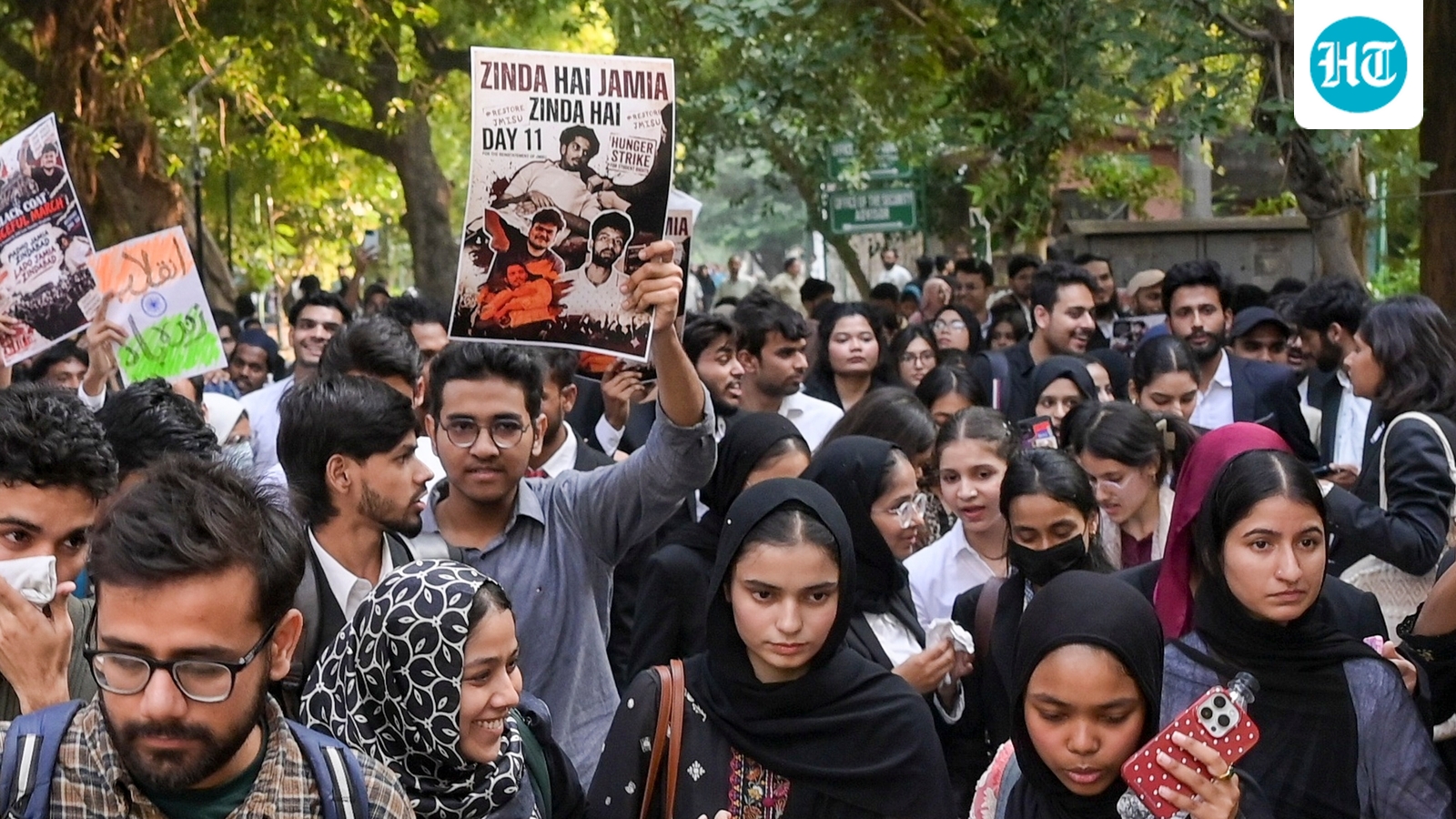
For fourteen consecutive days, Jamia Millia Islamia University in West Delhi has been the epicenter of a determined student protest. What began as demonstrations over specific campus grievances has evolved into a broader stand for student rights and university governance. The campus, normally a bustling hub of academic activity, now finds itself divided, with security forces deployed around the perimeter and access to the protest site restricted.
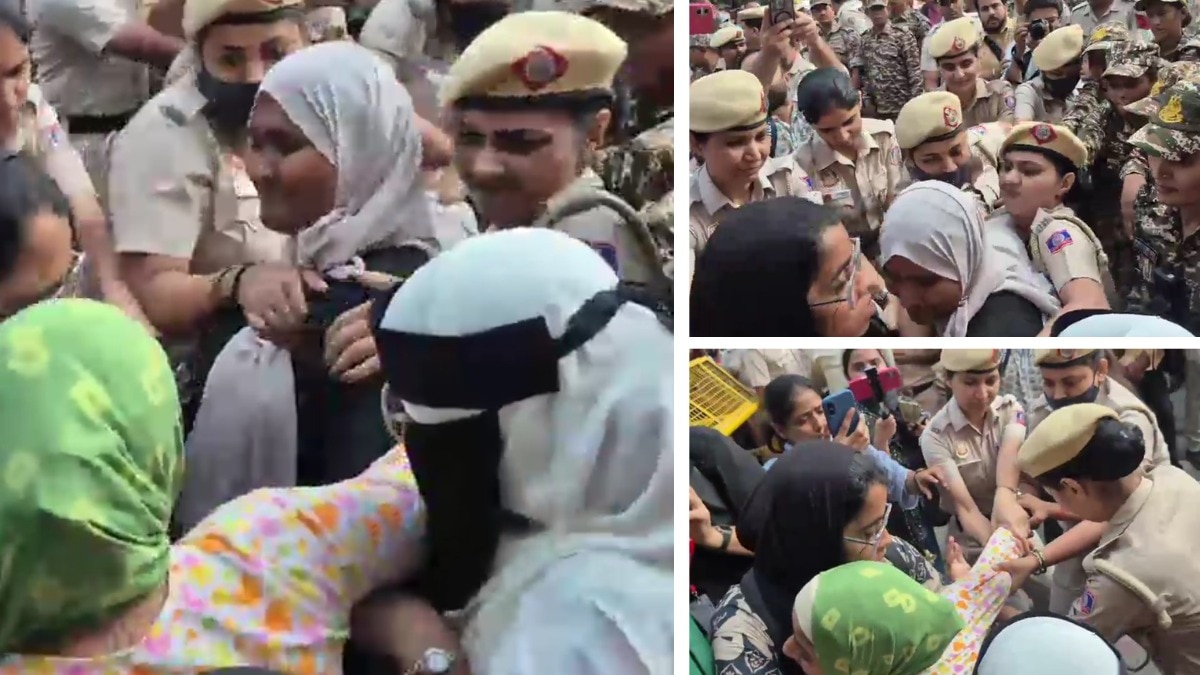
At the core of the sustained protest are three non-negotiable demands from the student body. First, they seek the restoration of the students' union, which appears to have been suspended or disbanded. Second, they demand the revocation of disciplinary actions taken against fellow protesters. Third, they call for accountability against those responsible for what they allege was excessive force used against demonstrators.
"The first is the restoration of the students' union," explained Anish Khan, articulating the protesters' position. "The second concerns the actions taken against protesting students on October 17… students were treated harshly, with many facing disciplinary measures such as suspensions, show-cause notices, and bans from entering the campus."
Despite this external intervention, students inside the university premises continued their protest, raising slogans and maintaining their presence.

Jamia Millia Islamia Students, Guards Clash During Protest, Classes Moved Online https://t.co/DICtCdI7yo
As the protest has stretched into its second week, tensions have escalated. Four students have undertaken a hunger strike, amplifying the urgency of their demands. The university administration, facing mounting pressure, has responded by shifting all courses to online mode, effectively attempting to clear the physical campus of protesting students.
Farhan Israel, representing the student voice, has been equally adamant in his demands: "The Jamia Millia Islamia students' union must be restored. Furthermore, the university Proctor and the chief security advisor should resign. Additionally, all disciplinary actions taken against the students must be revoked."
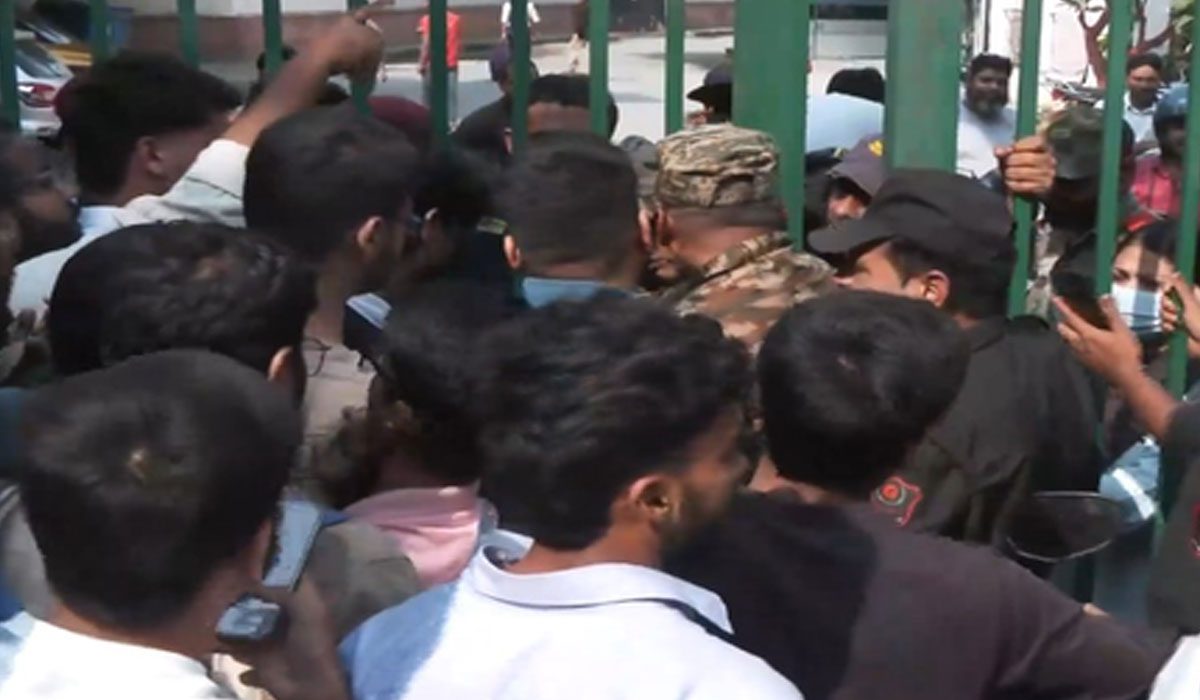
The situation came to a head when police moved to disperse students, specifically removing those gathered outside Gate No 7 of the campus. Despite this external intervention, students inside the university premises continued their protest, raising slogans and maintaining their presence. The university administration, caught between the protesting students and the need to maintain order, has found itself in a difficult position.

JUST IN | Students attempt to climb the gates to enter Jamia Millia Islamia (JMI) as authorities restrict entry to the campus on Sunday, October 25, 2026. Heavy CRPF and police deployment and barricading are in place outside Gate No. 7, while students continue their protest inside the campus. ~@Shrimansi12 reports Visuals: @Shrimansi12
The protest has attracted political attention, with the BJP demanding that the Congress clarify its position on certain slogans allegedly raised during the demonstrations and on the presence of Congress MP Imran Masood on campus. The BJP has specifically demanded clarification on calls for separating Kashmir from India and releasing Sharjeel Imam, indicating that the campus protest has become entangled in broader political debates.
In response to the ongoing demonstrations, the university administration announced the transition to online classes. However, this move has not been accepted passively by students, who have protested against the shift to digital learning. The administration's decision reflects the challenges of maintaining normal academic operations amid campus unrest.

Stand with Jamia Millia Islamia protest.... Students voices deserve to be heard, not silenced. Justice, dignity, and the right to protest! https://t.co/gVmDdP81gt
As the protest enters its fourteenth day, the standoff continues. Security forces remain deployed around the campus perimeter, maintaining a visible presence. The students, meanwhile, have shown no signs of backing down from their three core demands. The university administration has not publicly indicated any willingness to concede to the students' demands, suggesting that the resolution of this conflict may still be some time away.
What began as a campus dispute has now drawn in political actors and attracted wider attention. The Jamia Millia Islamia protest, while centered on specific institutional grievances, has become another focal point in the complex relationship between student activism and political forces in India. As the days stretch on, the university remains at the center of a struggle that extends far beyond its gates.