
Saurav Das and Ashutosh Ranka found themselves in legal trouble after entering a restricted area, an act that would place them at the center of a growing controversy. The authorities had established clear boundaries around certain areas, and the CJP leaders crossed those lines, displaying the national flag while making statements critical of the military. This act of defiance set in motion a legal process that would see them confined to judicial custody for seven days before being granted bail.
The police, acting on the court's orders, moved swiftly to arrest Das and Ranka. Special Magistrate had issued directives for their apprehension following their unauthorized entry into what authorities deemed a sensitive zone. The couple's actions weren't merely a matter of trespass; they had made statements that were interpreted as anti-military in nature, elevating the seriousness of the offense. Police officials, handling the situation with what they described as necessary firmness, registered FIRs against the leaders at two different police stations, indicating the breadth of the legal case building against them.
Once in custody, the CJP leaders found themselves navigating the complexities of the Indian legal system. The court extended their judicial custody, a period during which they remained under arrest while awaiting trial. This extension wasn't automatic; it required a formal request from the police, who argued that further detention was necessary to investigate the full extent of the alleged offenses. During these seven days, the legal battle raged outside the jail walls as supporters and critics of the CJP leaders debated the merits of the charges and the appropriateness of the response.
The release of the CJP leaders on bail didn't resolve the underlying issues that led to their arrest.
The Special Executive Magistrate Court, after reviewing the arguments from both sides, granted bail to Das and Ranka. The court's order for their release marked a turning point in the case, though it didn't signify an end to the legal challenges they faced. The bail was extended after a request from the police, indicating that while the leaders were free to await their trial outside jail, the legal proceedings would continue.
The release of the CJP leaders on bail didn't resolve the underlying issues that led to their arrest. FIRs remained active, and the case continued to evolve with each passing day. The leaders, now free but still facing legal consequences, found themselves at the center of a debate about freedom of expression, national security, and the boundaries of protest in contemporary India. Their supporters viewed the arrest as an overreach by authorities, while critics maintained that the actions warranted a serious response. As the legal process moved forward, the CJP leaders prepared to defend themselves against the charges that had placed them in the national spotlight.
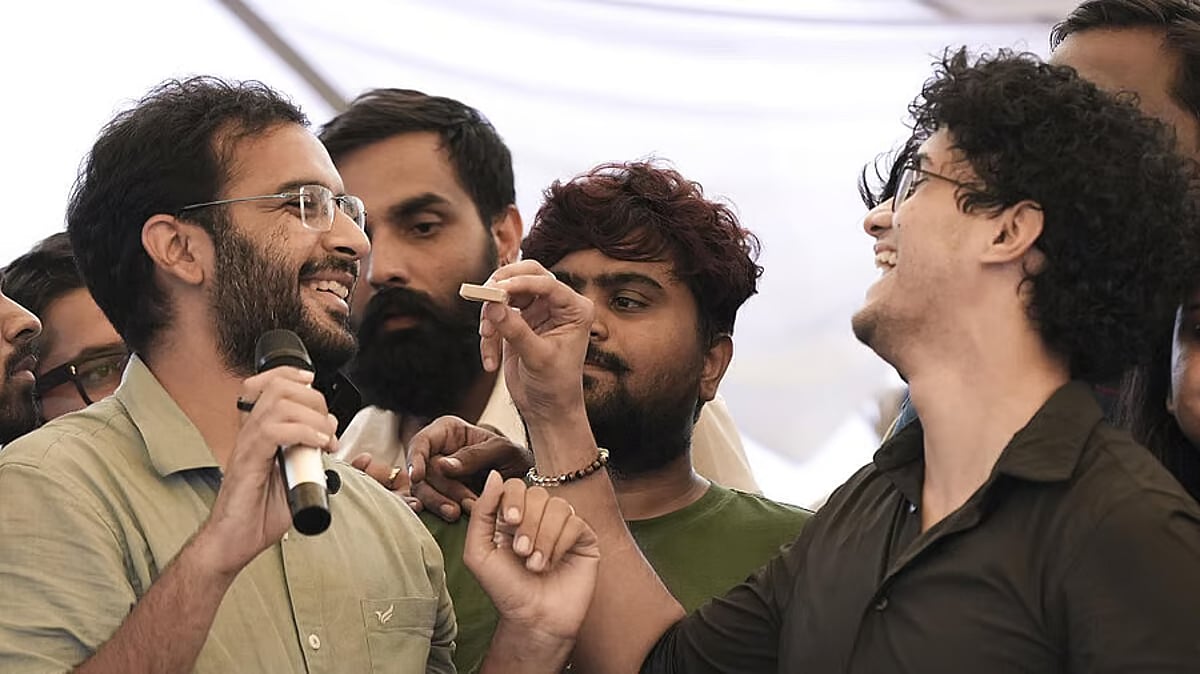
Upon his release, Saurav Das addressed supporters with a declaration that resonated with many of his followers: "सत्य की जीत हुई है" (Truth has triumphed). This statement, delivered in Hindi, captured the sentiment among those who viewed the bail as a victory for democratic principles and freedom of speech. The phrase became a rallying cry for the CJP and its supporters, framing the legal battle as one between truth and oppression. As the leaders resumed their activities, the words served as both a reflection of their ordeal and a promise of continued resistance in the face of what they perceived as unjust legal actions.