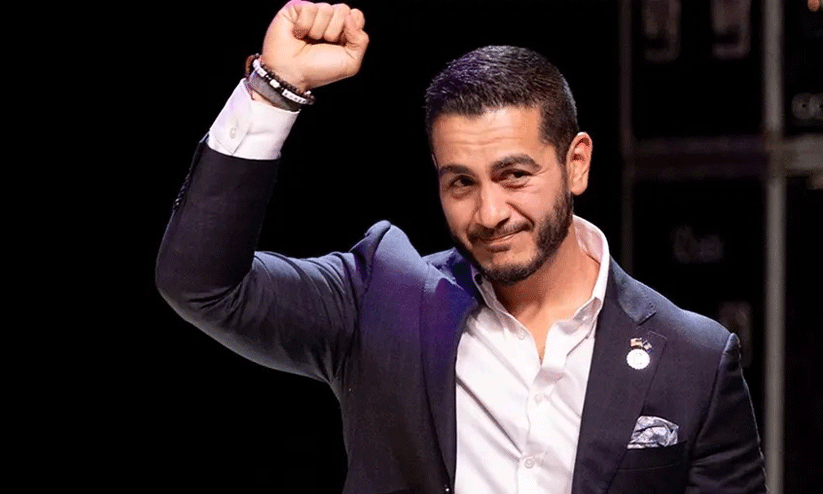
On the night of November 4, 2026, the political landscape of the United States shifted in Detroit. Abdul El-Sayed, a Democratic physician and public health advocate of Egyptian immigrant descent, declared victory in the Michigan Senate race. As the results solidified, El-Sayed secured 53.34 percent of the vote, decisively defeating his Republican opponent, Mike Rogers, who finished with 44.90 percent. This victory marks a historic milestone: El-Sayed is the first Muslim ever elected to the United States Senate, an institution comprising 100 seats that serves as one of the two chambers of the American legislature.
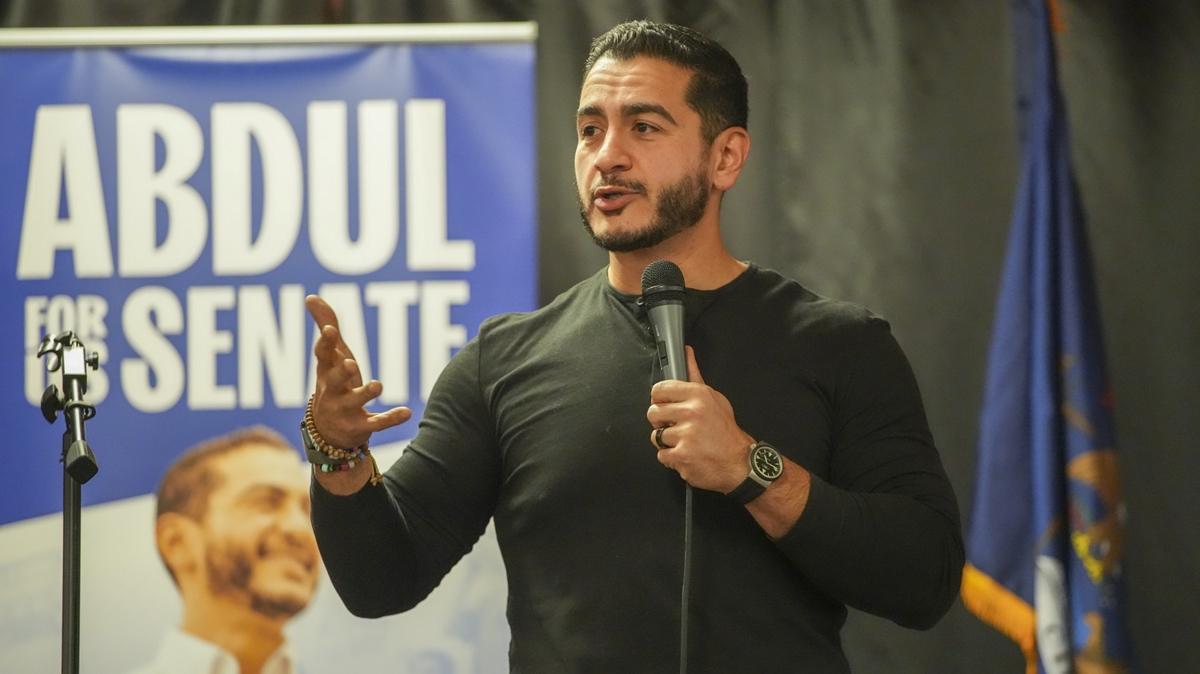
The race was characterized by its intensity and the sheer volume of resources poured into the state. It stood as one of the most expensive and closely watched contests in the country. The campaign faced a significant hurdle when former Democratic primary rival Haley Stevens endorsed Rogers, an eleventh-hour betrayal that threatened to fracture the party’s base. Yet, the response from El-Sayed’s supporters was immediate and unprecedented. On the Sunday before the election, the campaign raised $2.4 million, marking its largest single-day fundraising haul and signaling a surge of grassroots momentum that helped preserve the decades-long Democratic hold on the seat.
Throughout the election, El-Sayed was the target of aggressive rhetoric. Donald Trump, the former president, repeatedly attacked his identity, labeling him a terrorist and a member of the Muslim Brotherhood. El-Sayed, however, met these challenges with a directness that defined his campaign. In his victory speech, he addressed the former president, noting the difficulty Trump had with his name. "After JD swears me in, you can just call me senator," El-Sayed told the crowd, reclaiming the narrative from those who sought to marginalize him.
In his victory speech, he addressed the former president, noting the difficulty Trump had with his name.
The election also highlighted the outsized role of external political spending. The American Israel Public Affairs Committee (AIPAC) spent $42 million in an attempt to defeat El-Sayed. Addressing this, the senator-elect thanked the organization for the opportunity to defeat them twice, framing the expenditure as a testament to the strength of his movement. He argued that these funds, if redirected, could have addressed the pressing needs of Michigan residents, who are currently grappling with economic realities like gas prices reaching $4.83 per gallon.
El-Sayed’s platform centered on a sharp critique of how American tax dollars are utilized. He argued that public funds should be invested in local schools, healthcare, and infrastructure rather than being directed toward discriminatory practices or conflicts abroad. His stance on foreign policy—specifically regarding the rights of Palestinians—drew criticism from opponents who attempted to label his calls for peace and equality as hate speech. El-Sayed rejected this characterization, asserting that believing in equal rights, dignity, and self-determination is an act of love, not hatred.
As he prepares to head to Washington, El-Sayed carries the expectations of a diverse and energized constituency. Having graduated from the University of Michigan in 2007, earned a doctorate from the University of Oxford in 2011, and completed his medical degree at Columbia University in 2014, he brings a background in public health to the Senate floor. He has promised to serve with the same grit and earnestness that his supporters showed him during the campaign. For now, the focus remains on the transition, as Michigan prepares to send its first Muslim senator to the halls of power, marking a definitive moment in American political history.