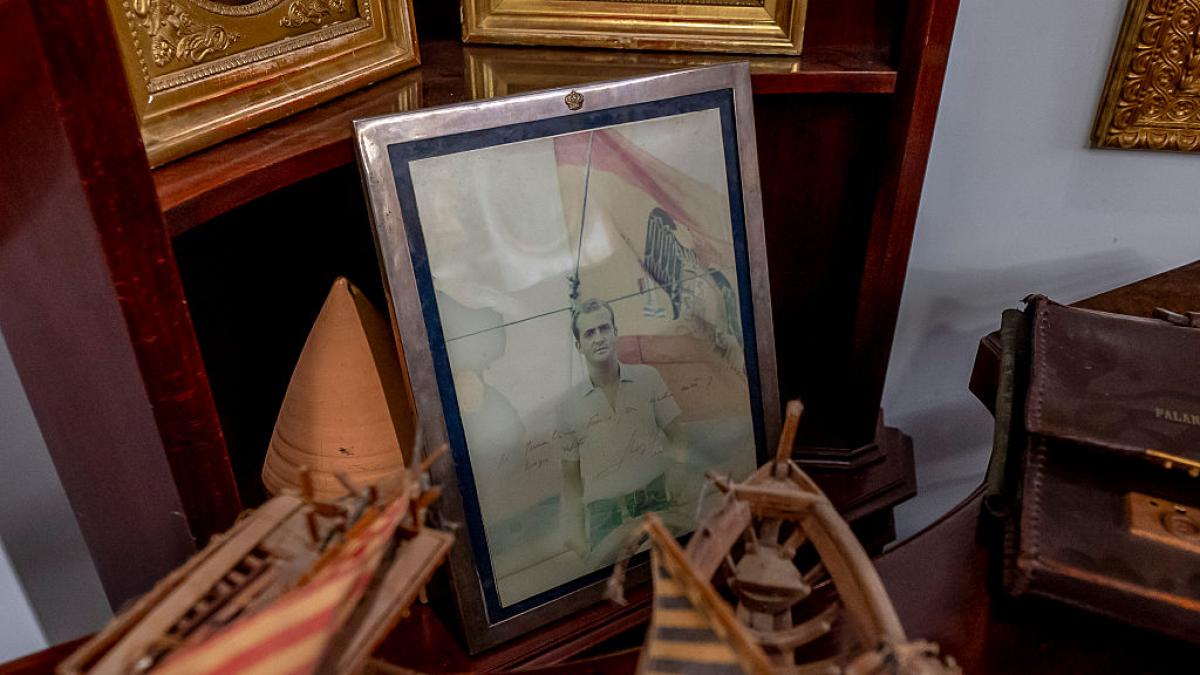
In a quiet corner of Madrid, a catalog of 148 pages is preparing to turn the private history of a regime into public commerce. On October 27, 2023, the items once housed within the walls of the Pazo de Meirás—the residence of the late Spanish dictator Francisco Franco—are set to be dispersed through an auction. The collection is vast, comprising 689 distinct lots that represent the domestic life of a man who once held absolute power over Spain. This is not merely a sale of antiques; it is the liquidation of a personal estate, a collection of objects that once occupied the intimate spaces of a leader's residence.
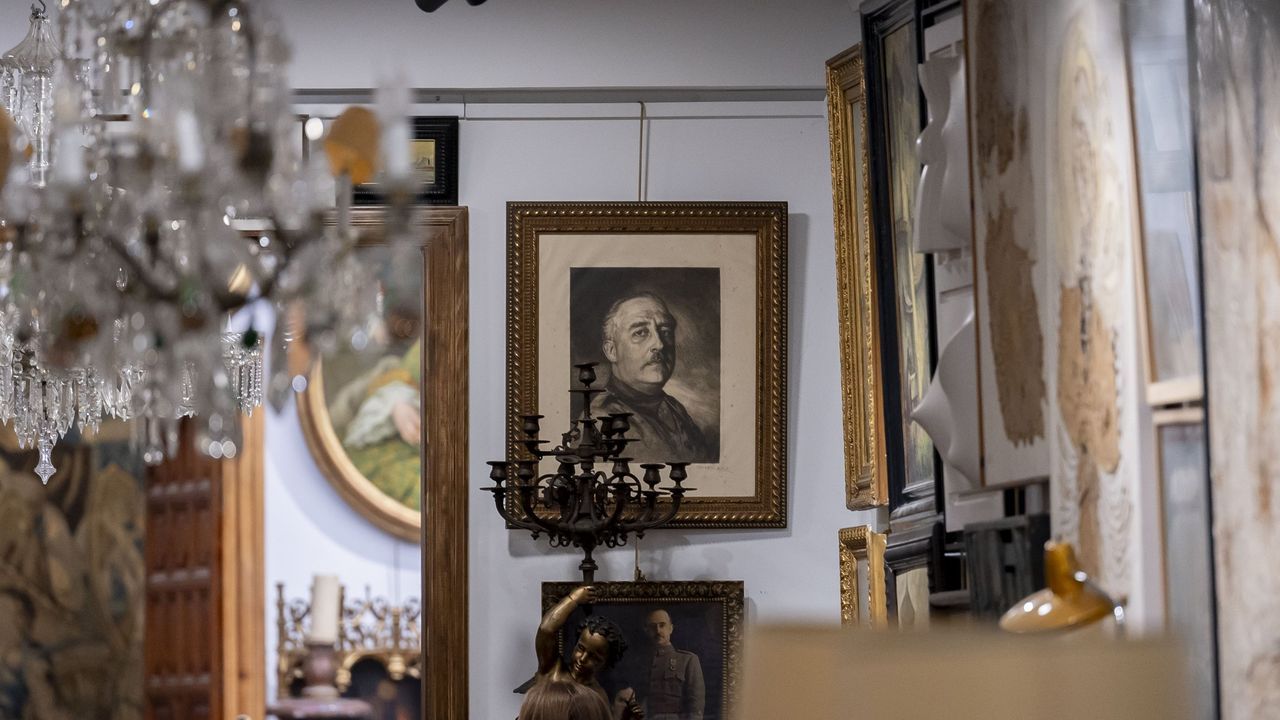
The auction, conducted by Magna Art Auctions, offers a strange spectrum of value. Some items are destined for the high end of the scale, with the most valuable painting—a work by Luis Tristán—expected to reach 5,000 euros. Yet, the auction also descends into the realm of the mundane and the highly accessible. Some lots will start at a mere 20 euros, allowing for a low barrier of entry into the ownership of these historical artifacts. The total price for the complete set of items is estimated at 200,000 euros, a figure that attempts to quantify a collection that spans furniture, porcelain, and various artworks.
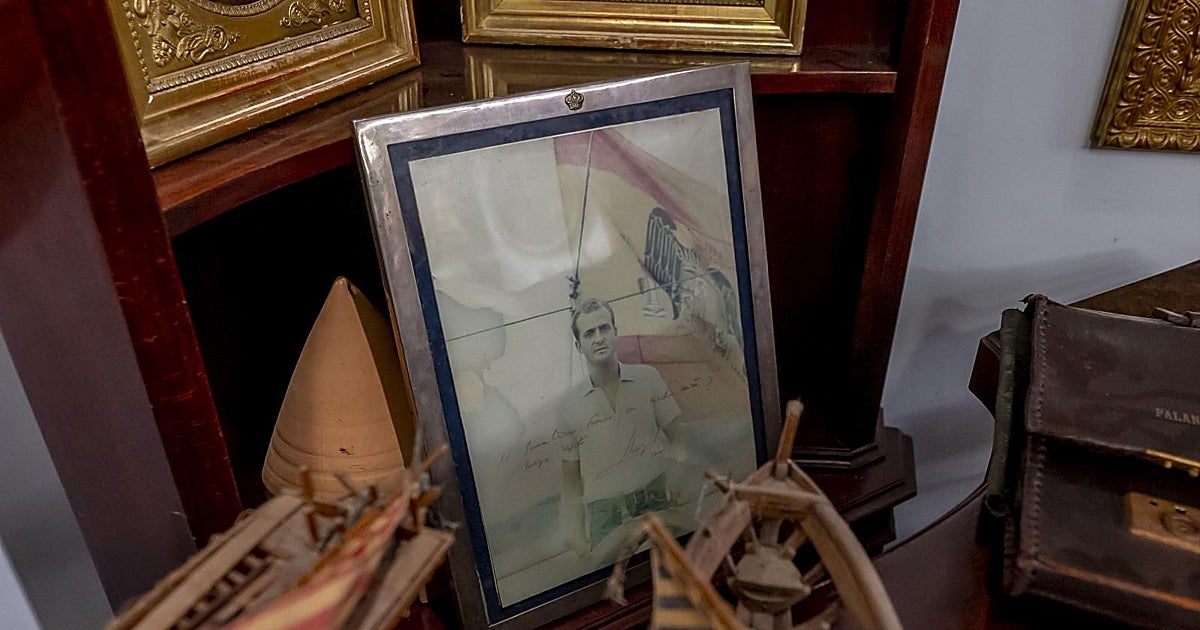
Among the 689 items are pieces that carry significant symbolic weight. The catalog includes several portraits of Francisco Franco himself, frozen in the formal depictions typical of his era. Perhaps more nuanced is the presence of a photograph of Juan Carlos I, the former King of Spain, which was dedicated to Franco. These objects serve as tangible links to the complex political transitions of the Spanish state, moving from the era of the dictatorship into the modern monarchy. The presence of such items highlights how the personal belongings of a political figure can serve as a mosaic of the era they defined.
The journey of these objects from the Pazo de Meirás to the auction house began in July, when the items were removed from the estate.
The journey of these objects from the Pazo de Meirás to the auction house began in July, when the items were removed from the estate. This movement of furniture and decorative items marked the beginning of the end for the physical presence of the Franco family's holdings at the residence. What was once a private collection, curated within the confines of a specific residence, is now being prepared for a global marketplace, stripped of its original context and reimagined as individual lots for collectors.
Not everyone views the sale as a simple commercial transaction. The Asociación para la Recuperación de la Memoria Histórica (ARMH) has emerged as a vocal critic of the proceedings. The organization has formally requested a 'suspension' of the auction, signaling a deep-seated tension between the right to private property and the collective need to address the legacy of the dictatorship. For the ARMH, the auction of these items is not just a sale of porcelain and paintings, but a moment that requires scrutiny regarding how a nation handles the material remnants of its past.
As the auction approaches, a notable silence has come from the Spanish government. The Ministry of Culture has confirmed that the state has not claimed any of these items. There has been no indication of interest from the government to acquire any specific pieces for national collections or museums. This lack of intervention underscores the legal reality of the estate's status, even as the social and political debate continues to simmer.
The transition of these items from the Pazo de Meirás to the auction house in Madrid represents a final chapter for this specific collection. The items—ranging from the grand to the small, from the political to the domestic—are being prepared for a new kind of life. As the auction date arrives, the objects will move from the shadows of a dictatorship into the bright lights of the commercial market, where their value will be determined not by their political history, but by the bids of the highest payers.